
Friendly Disclosure: As a Shopify Media Partner, I may receive a small commission if you sign up using my link. It doesn’t affect your price and supports the work I do here.

The Ultimate Shopify Business Name Generator (& 10-Step Naming Framework)
Choosing the perfect name can feel like one of the biggest hurdles to getting started. That’s why we built this guide. It’s your complete solution—combining our powerful Shopify business name generator with an expert framework to help you find a memorable name and begin building a brand you love, today.
How Our Shopify Business Name Generator Works
Most name generators spit out a random list of generic, uninspired words. We built our Shopify business name generator to think like a world-class brand strategist. It’s designed not just to give you a name, but to give you a brand foundation—all based on a powerful AI model that understands the nuances of what makes a name truly great.
If you’d rather see the tool work in real-time, I’ve recorded a video demo.
More Than a List: 7 Strategic Name Categories
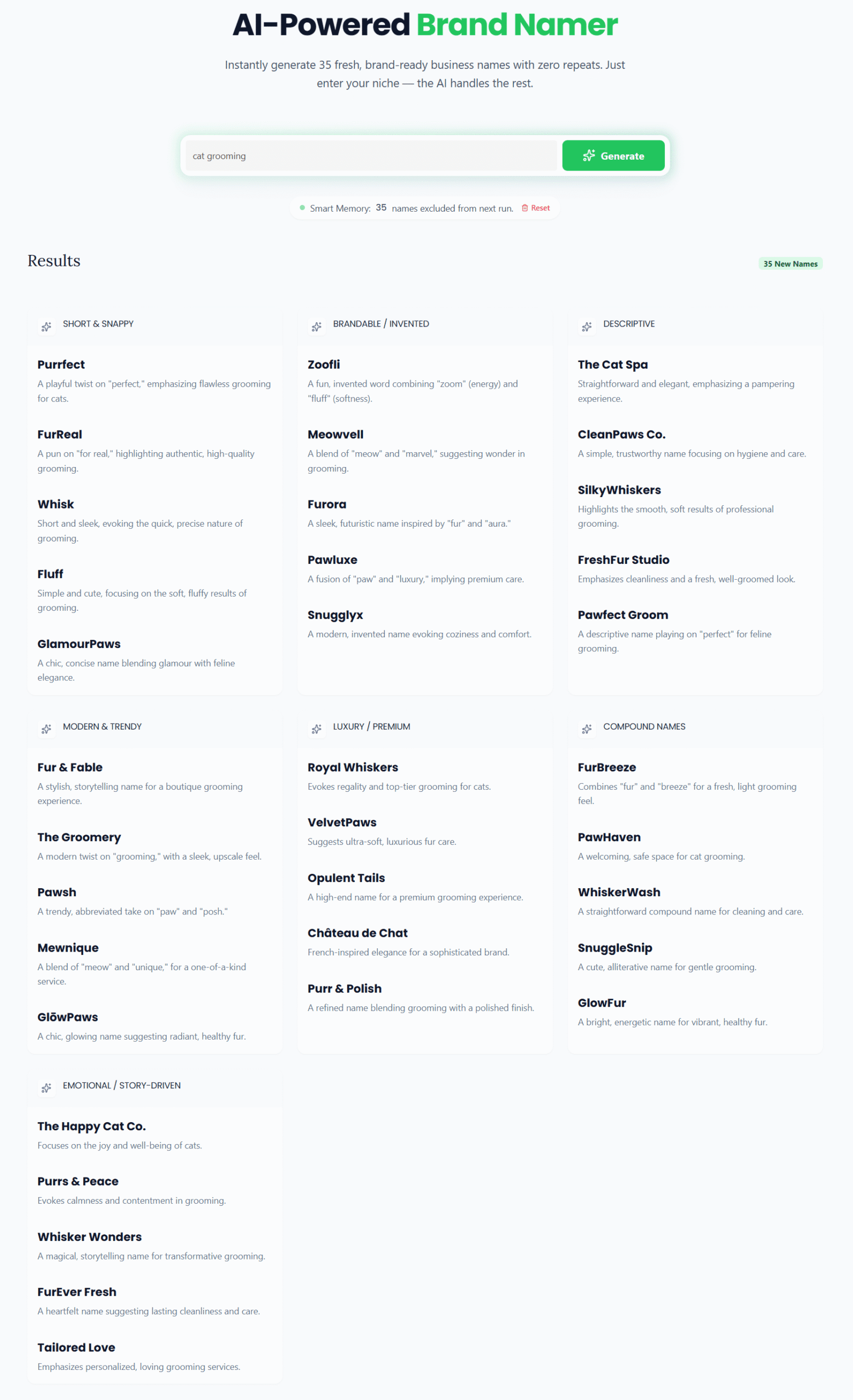
Instead of a single, overwhelming list, our generator organizes ideas into seven distinct categories. This allows you to explore different strategic directions for your brand. You’ll get a balanced mix of names, including:
- Short & Snappy: One or two-syllable names that are punchy and easy to remember, like Zest or Ply.
- Brandable / Invented: Unique, fresh names created just for your brand, like Solara or Greenova.
- Descriptive: Clear, straightforward names that instantly tell customers what you do, such as PurePlant or QuickShip.
- Modern & Trendy: Names that feel current, cool, and connected to modern culture, like Shift or Mint.
- Luxury / Premium: Elegant and sophisticated names that convey high quality and trust, such as Aureus or Sterling.
- Compound Names: Creative two-word blends that are highly memorable, like EarthWise or TechFlow.
- Emotional / Story-driven: Names that evoke a feeling or hint at a deeper mission, like TrueNorth or SafeHarbor.
Smart Memory for Truly Unique Ideas
The biggest frustration with other tools is seeing the same tired suggestions again and again. Our generator has a Smart Memory feature built-in. Every time you click to generate more names, it automatically excludes all the names it has already shown you. This means every single batch of results is 100% fresh, pushing you toward more creative and unique territory with each click.


Designed for Action: Save and Copy Your Favorites
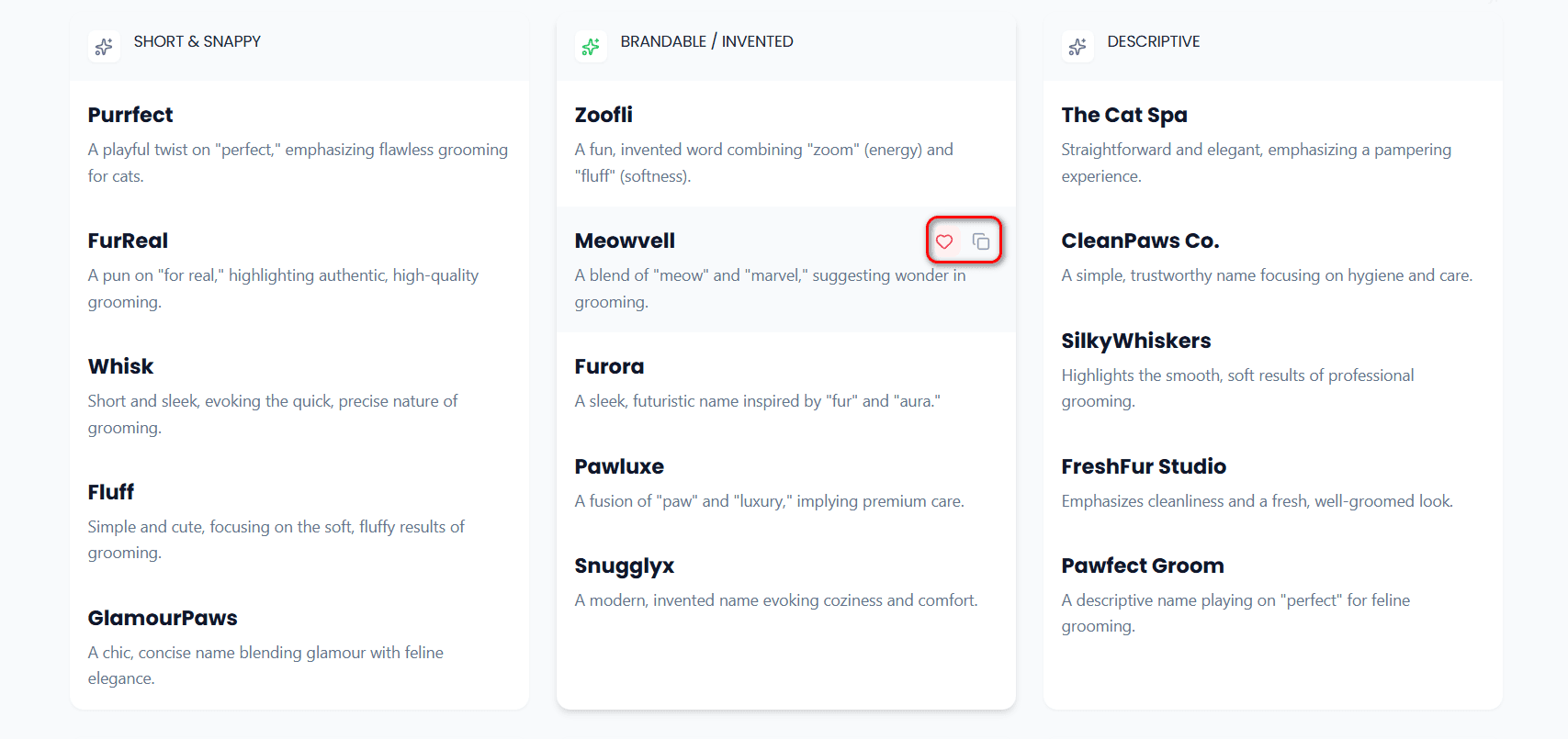
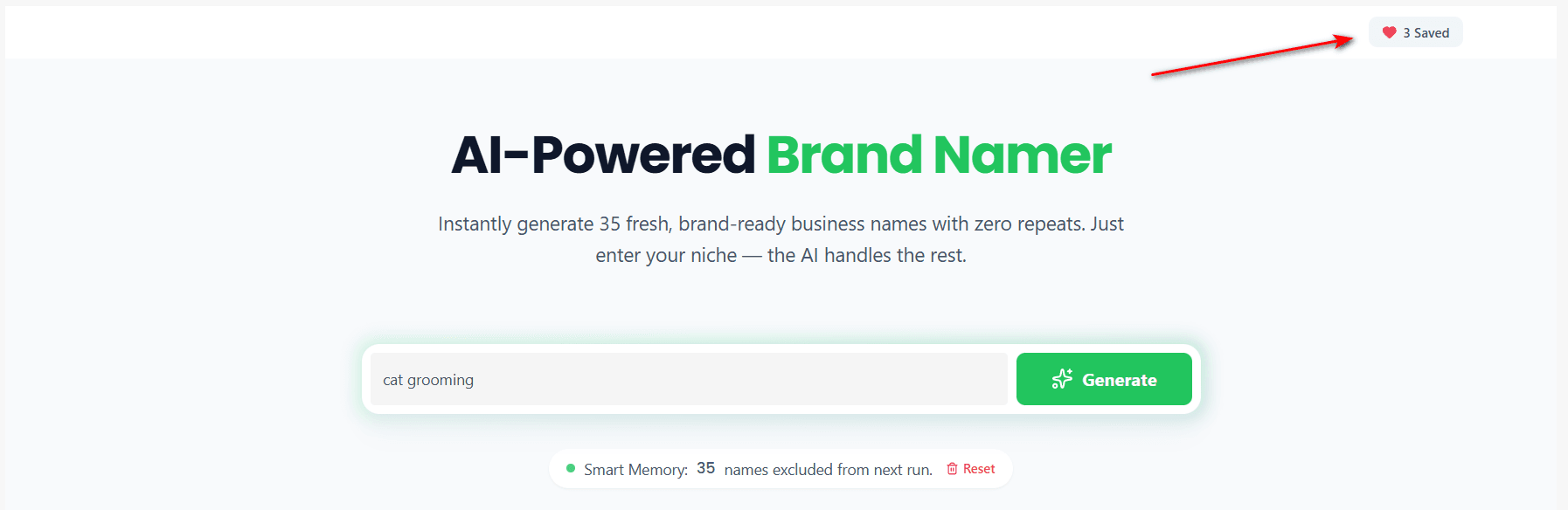
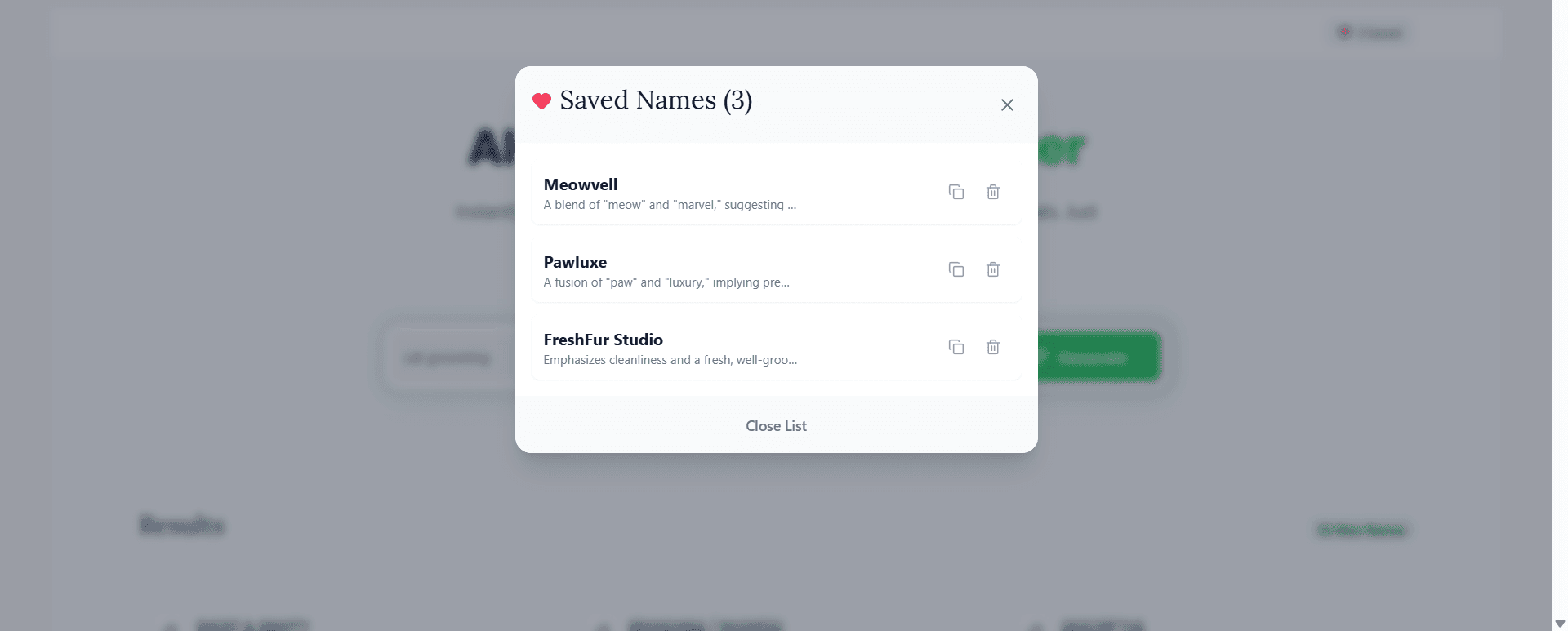
A great idea is useless if you lose it. As you discover names you love, you can click the heart icon to save them to a personal “Favorites” list. This lets you build a shortlist of top contenders to review later. Once you’re ready, you can copy any name to your clipboard with a single click, making it easy to check for domain availability or share with a co-founder. It’s a seamless workflow designed to take you from brainstorming to action.
Built for Global Founders: From Any Language to an English Brand Name
Your next great business idea might come to you in Spanish, Japanese, or French—and that shouldn’t be a barrier. Our AI is designed to understand the core concept of your business, no matter what language you use to describe it.
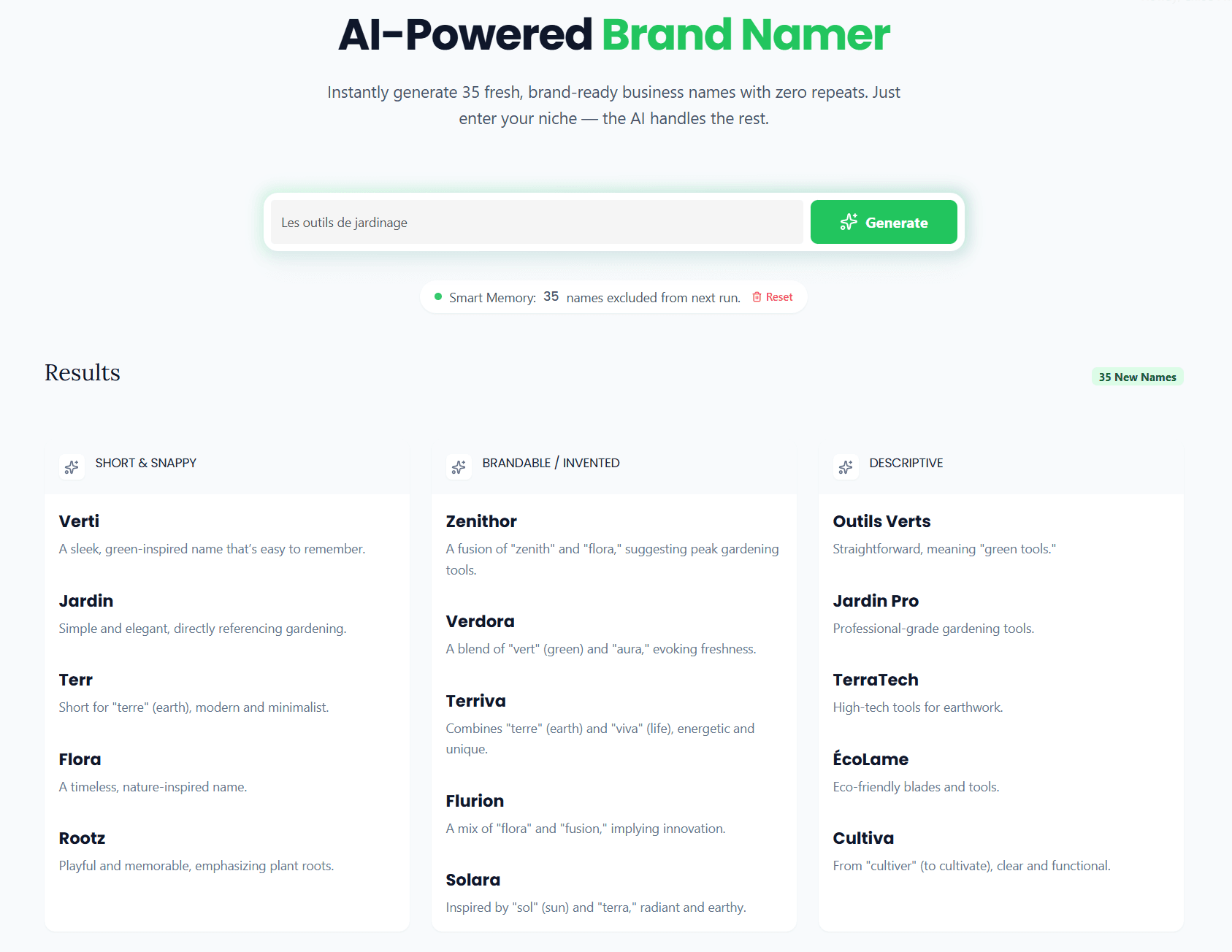
Simply type your niche or product idea in your native language. The tool processes the meaning and essence of your vision, then generates high-quality, brandable English names that are ready for a global audience. This ensures the names are easy to pronounce and market internationally. Focus on your idea; we’ll handle the translation into a powerful brand.
Beyond the Name: 5 Real Founders Share Their Naming Stories
The best brand names do more than just identify a product—they tell a story. They can hint at a bold promise, a shared mission, or a sense of community. Before you settle on a name, see how these successful Shopify merchants used their brand names to build an empire.
Pot Gang: The Name That Sells a Lifestyle
For a business selling beginner-friendly gardening kits, a generic name like “Easy Garden Supplies” would have been forgettable. Instead, Pot Gang chose a name that feels like an invitation to a cool, exclusive club.
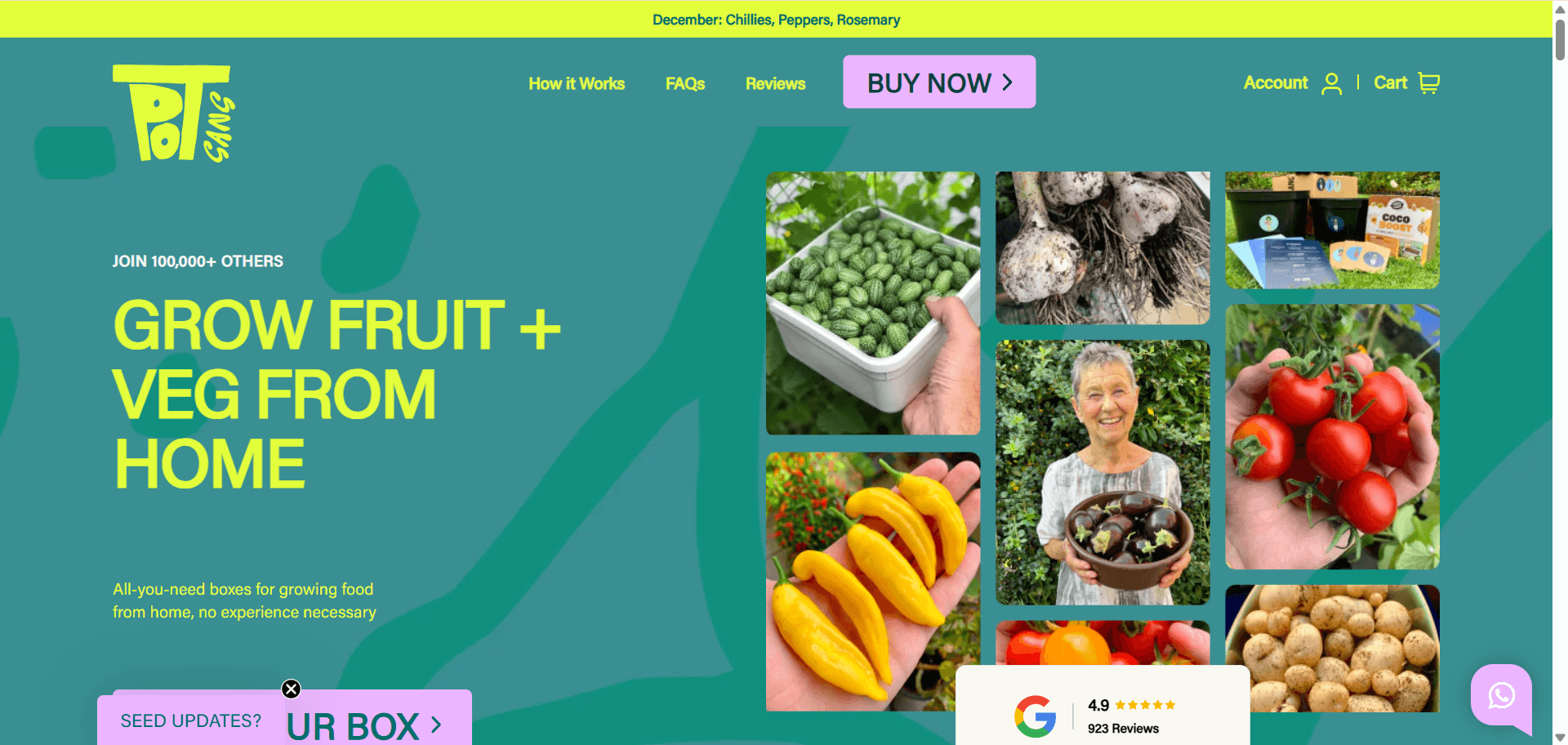
The word “Gang” instantly creates a sense of community and fun, perfectly capturing their brand mission of making gardening accessible and enjoyable. It’s a name that doesn’t just sell a product; it sells a fun, shared experience.
Death Wish Coffee: The Power of a Bold Promise
Death Wish Coffee makes a clear, audacious promise right in its name: this is the “world’s strongest coffee.” The name is a challenge and a filter. It attracts thrill-seeking coffee lovers and repels those looking for a mild morning brew.
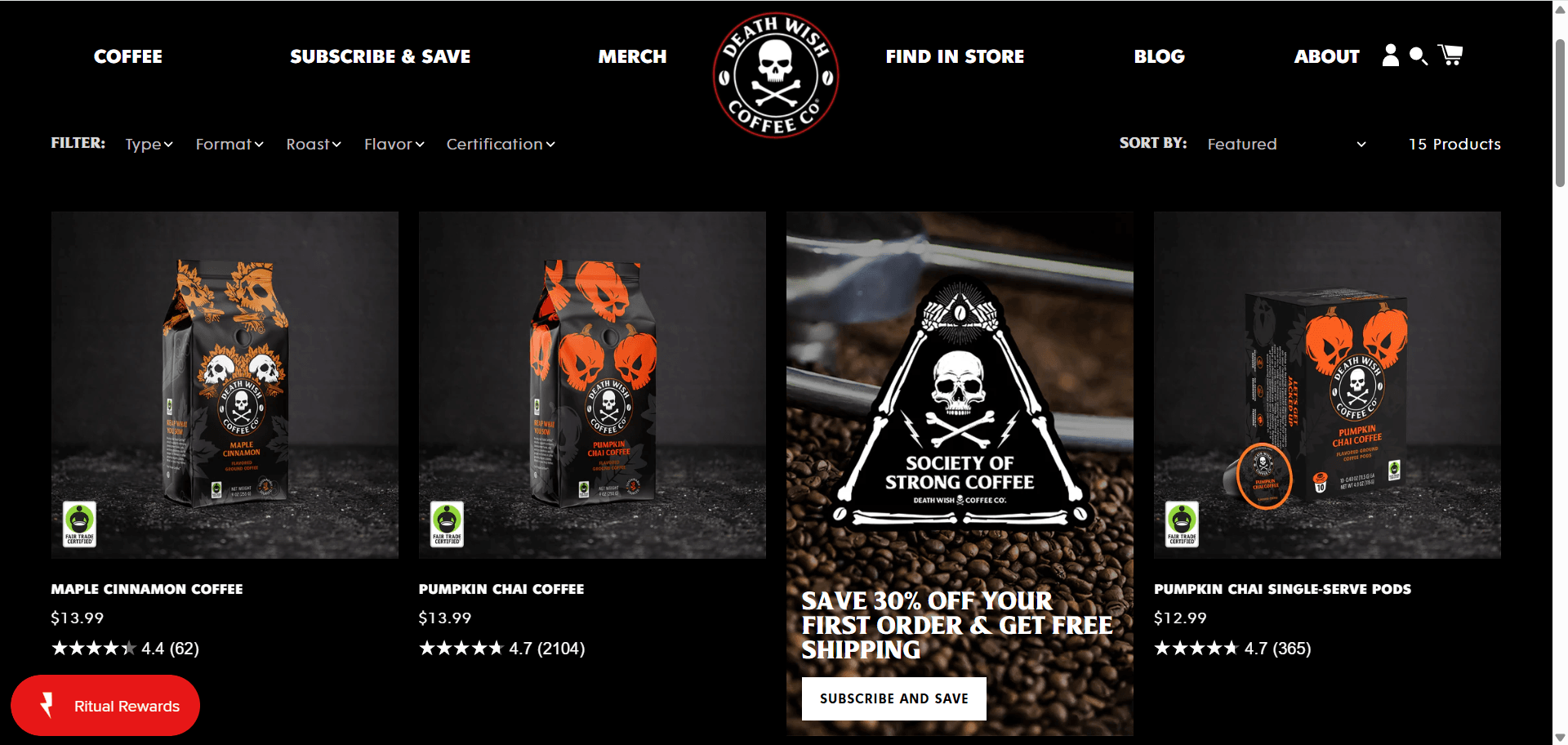
By baking their core value proposition directly into their name, they created an unforgettable brand that stands out in a crowded market and builds a fiercely loyal customer base.
Cotopaxi: A Name with a Mission
Outdoor gear brand Cotopaxi takes its name from a national park in Ecuador. This choice connects the brand to a specific place, rooting its identity in adventure and global consciousness.
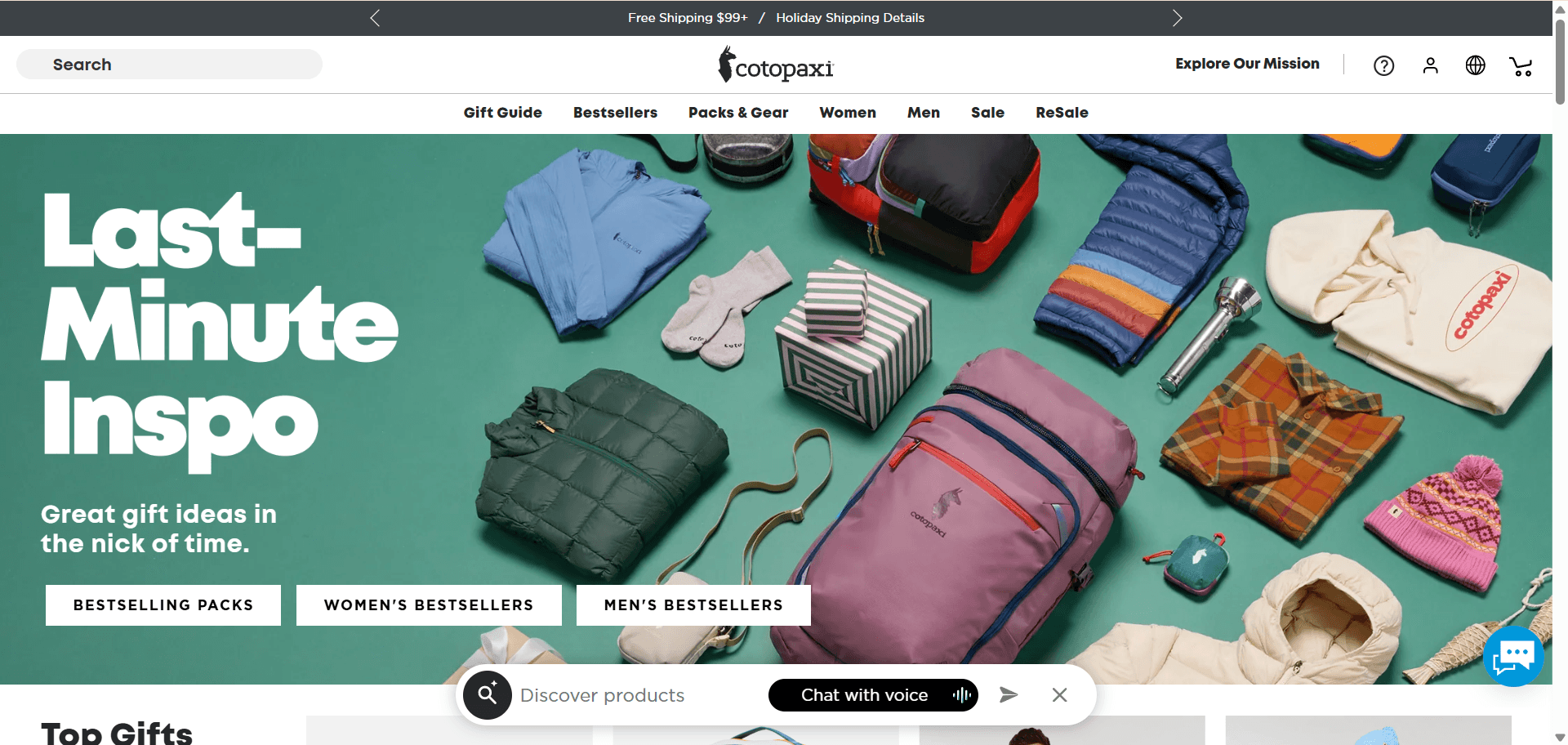
For founder Davis Smith, the name represents the spirit of travel and a commitment to making a positive impact. It’s a name with depth, inspiring customers to not only buy a product but also buy into the brand’s mission of sustainable gear and poverty alleviation.
Star Cadet: A Rebrand for a Bigger Universe
Originally known as “Olan Rogers Supply,” the brand tied its identity directly to its popular founder. To grow beyond a personal brand, they rebranded to Star Cadet.
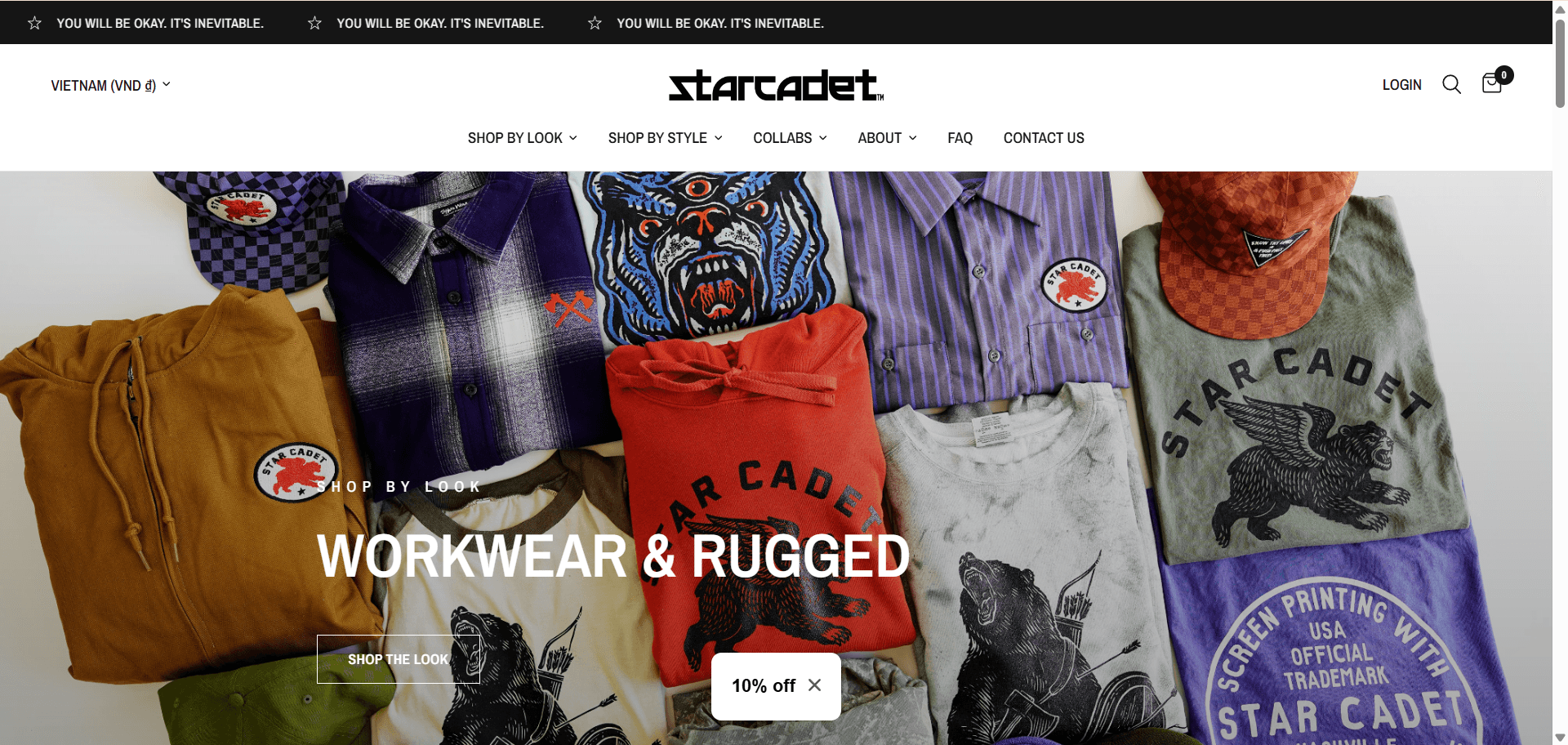
This new name is evocative, playful, and futuristic, opening the door to a wider universe of products without losing its creative spirit. It’s a perfect example of how to choose a name with scalability in mind, allowing the brand to evolve far beyond its original niche.
Hiut Denim Co.: Rooted in Local Identity
Hiut Denim Co. built its brand on an authentic story. Their name connects directly to the history of their town, Cardigan in Wales, which was once home to Britain’s biggest jeans factory. By reviving this local craft, their name carries the weight of heritage and authenticity.
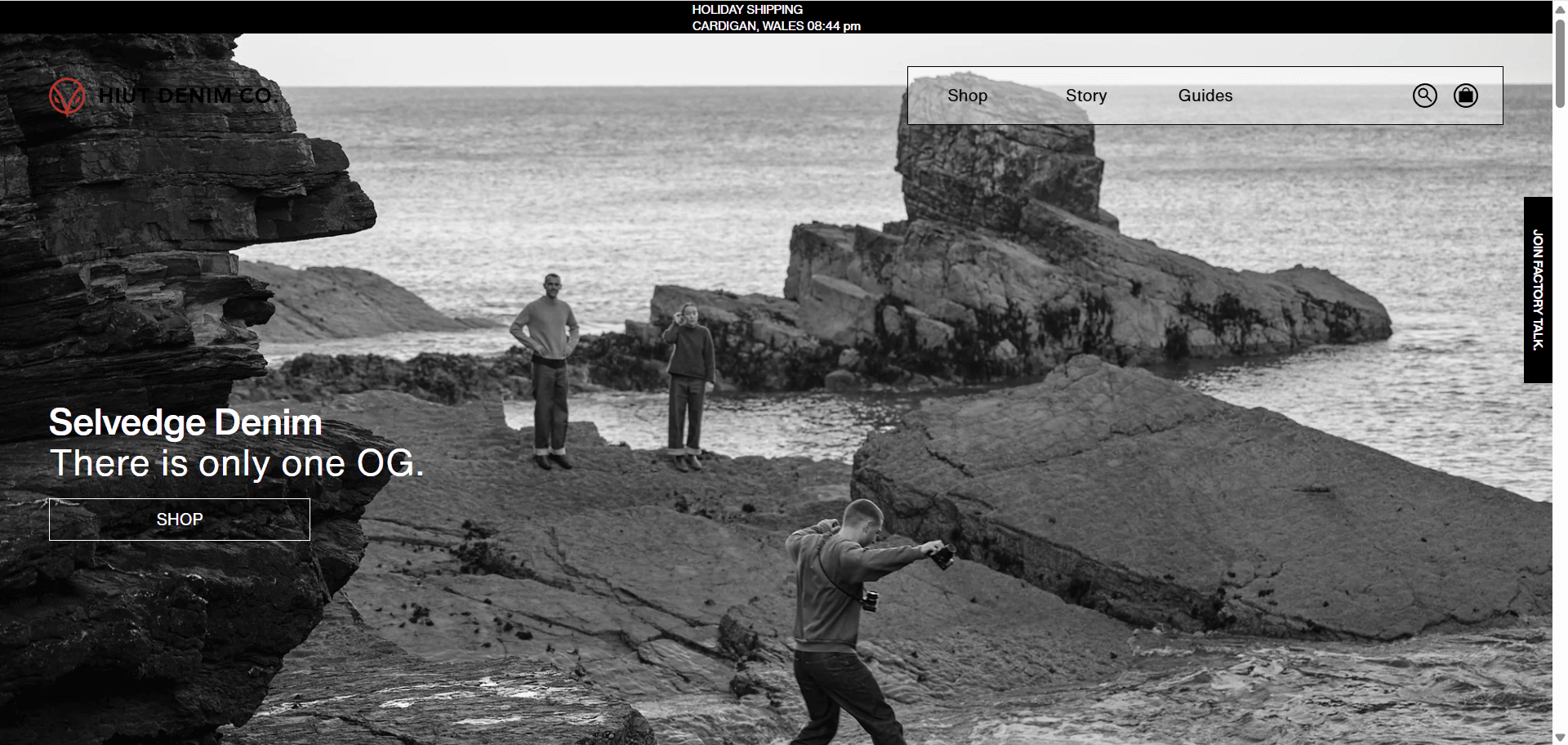
It tells customers they aren’t just buying jeans; they are supporting a town’s legacy. This deep-rooted identity gives them a powerful story that mass-market brands simply cannot replicate.
The 10-Point Framework for a Future-Proof Brand Name
Coming up with a name shouldn’t be a random process. After getting initial ideas from a Shopify name generator, the strongest brands use a thoughtful approach to find a name that is creative, strategic, and built to last.
This 10-point framework will guide you from a blank page to a shortlist of good store names for Shopify that are powerful and future-proof.
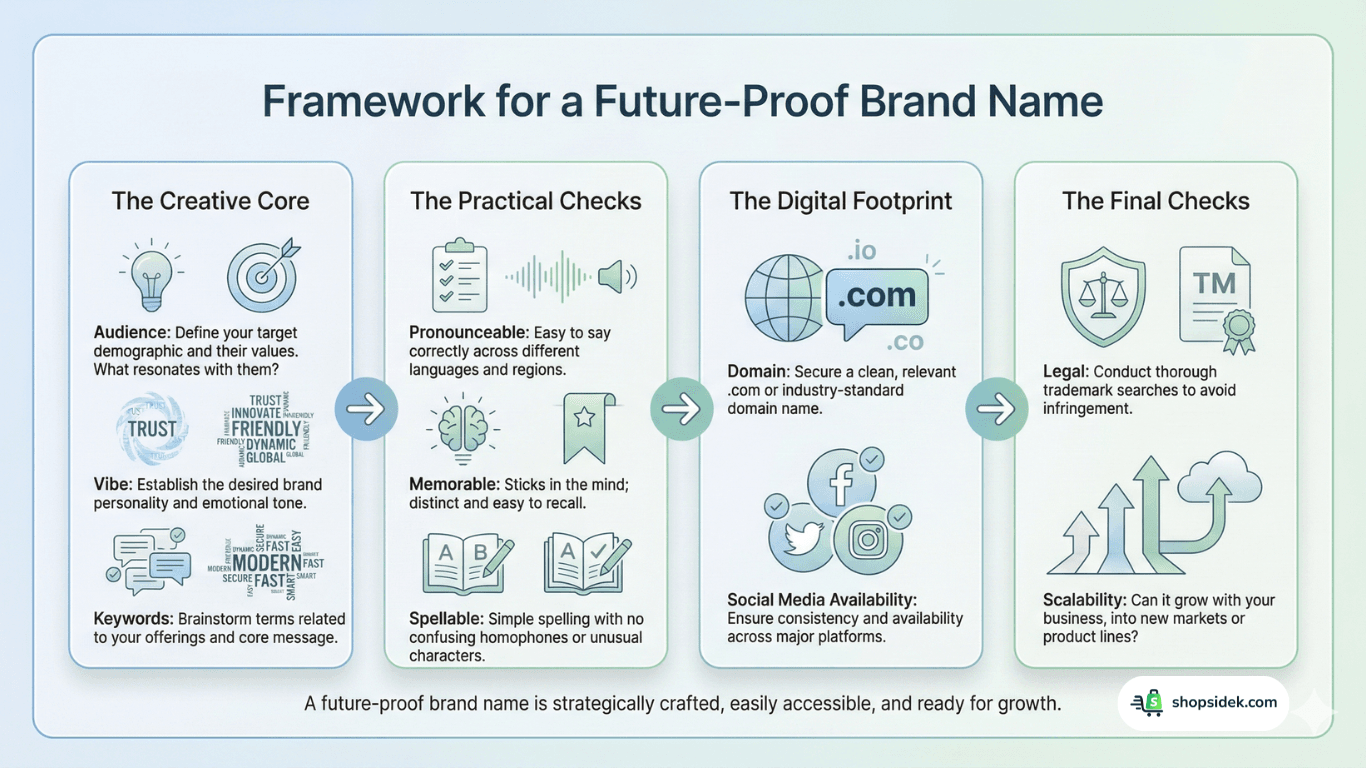
Steps 1-3: The Creative Core (Audience, Vibe, Keywords)
Before you think about a single name, you need to understand the foundation of your brand. This initial creative phase is about gathering the raw materials.
Step 1: Define Your Audience. Who are you selling to? A name that resonates with Gen Z on TikTok will be very different from one that appeals to luxury homeowners. Think about their values, their language, and what will earn their trust.
Step 2: Choose Your Vibe. How do you want your brand to feel? Are you playful and fun like Pot Gang, or are you rugged and adventurous like Cotopaxi? Define your brand’s personality. Is it elegant, rebellious, minimalist, or bold? This “vibe” will guide your creative direction.
Step 3: Brainstorm Core Keywords. List words related to your products, your niche, and the feelings you want to evoke. If you sell sustainable home goods, your list might include words like “earth,” “pure,” “haven,” “green,” and “conscious.” My advice is don’t filter yourself here—just create a large list of potential building blocks.
Steps 4-6: The Practical Checks (Pronounceable, Memorable, Spellable)
A creative name is useless if customers can’t remember it or type it into Google. This is where you filter your brainstormed list through a lens of practicality. As brand strategist Marty Neumeier says, a great name should be different, brief, appropriate, and easy to spell and pronounce.
Step 4: Is it Easy to Pronounce? Say your potential names out loud. Do they flow naturally? A name that’s hard to pronounce is hard to share via word-of-mouth.
Step 5: Is it Easy to Spell? Avoid clever misspellings or complex words that will force customers to guess. A brand like Uniqlo, derived from “Unique Clothing,” is simple and phonetic. If you have to correct someone’s spelling of your name, you’re creating unnecessary friction.
Step 6: Is it Memorable? The best names stick in your head. Short, punchy, and evocative names like Death Wish Coffee are far more memorable than generic, descriptive ones like “Strong High-Caffeine Coffee Beans.”
Steps 7-8: The Digital Footprint (Domain & Social Media Availability)
In today’s market, your brand name is also your digital address. If you can’t secure the right digital real estate, the name is a non-starter.
Step 7: Check Domain Availability. Once you have a shortlist, the first thing you should do is check if the .com domain is available. While other extensions exist, in my opinion, the .com is still the gold standard for credibility and trust. If your top choice is taken, consider adding a simple, relevant word (e.g., BrandNameCo.com or GetBrandName.com), but a clean .com is always the goal.
Step 8: Secure Social Handles. Immediately check for your name’s availability on the social media platforms that matter most to your audience, like Instagram, TikTok, Facebook, and X. Aim for consistency across all platforms to make your brand easy to find and follow.
Steps 9-10: The Final Checks (Legal & Scalability)
Before you commit, you need to put your final name choice through two last critical tests. These steps can save you from major headaches and limitations down the road.
Step 9: Conduct a Legal Check. You need to ensure your name isn’t already trademarked by another company in your industry. While you should consult a legal professional for official advice, you can perform a preliminary search yourself using the United States Patent and Trademark Office’s (USPTO) free TESS database. This quick check can prevent a costly legal dispute.
Step 10: Test for Scalability. Will this name grow with your business? A name like “Jane’s Jewelry” is great if you only ever plan to sell jewelry. But what happens when you want to expand to scarves or handbags? As we saw with Star Cadet, choosing a broader name that captures the brand’s spirit, not just its initial product, gives you room to evolve.
From Name to Brand: Building Your Store on Shopify
A great name is the spark, but your brand truly comes to life when you give it a home online. This is the exciting part where your idea becomes a real, tangible business—a process we cover from start to finish in our complete founder’s playbook on how to start a Shopify business.
For now, let’s focus on the first crucial steps: claiming your domain and designing your storefront.
Claiming Your Domain Name Instantly
Once you’ve settled on a name that passes all the checks, the most urgent next step, in my experience, is to claim your domain. This secures your unique address on the internet before someone else does.
Instead of navigating complicated third-party registrars, you can do this directly within Shopify. As you set up your free trial, Shopify will prompt you to add a domain. You can instantly search for your chosen name and purchase it on the spot. Within minutes, your brand has a professional home, and you’ve taken the first concrete step toward launching your business.
Designing a Logo and Storefront to Match Your Name
Your name carries a specific feeling or “vibe,” and your store’s design is how you communicate that feeling visually. A name like “Velvet & Co.” suggests elegance and would pair well with a sophisticated serif font and a muted color palette. A name like “Fuego Box,” on the other hand, calls for bold colors and dynamic imagery.
Shopify makes this easy, even if you’re not a designer. You can start with Shopify’s free Logo Maker to create a simple, clean logo in minutes. Then, inside the theme editor, you can customize fonts, color schemes, and layouts to perfectly match your brand’s personality. Paired with a tool like Canva for creating unique social media graphics, you have everything you need to build a visually cohesive brand.
A name is just the start. Let’s build the business.
Click 👇 to start your Shopify store and get your first 3 months for just $1/month.

What Not to Do: 3 Common Naming Mistakes to Avoid
Sometimes, knowing what not to do is just as important as knowing what to do. Steering clear of these common pitfalls will save you from a costly rebrand and ensure your name is an asset, not a liability.
The “Too-Trendy” Trap: Choosing a Name That Will Date Itself
It’s tempting to jump on the latest naming trend, like adding suffixes like “-ify” or “-ly” to a word. While it might sound modern today, it can quickly make your brand feel dated tomorrow. Think of business names from a decade ago that now sound old-fashioned. To me, a great name should feel timeless.
Instead of chasing trends, focus on a name that reflects your core brand values. Brands like Nike or Apple aren’t tied to a specific era; they are built on bigger ideas. Aim for a name that will still sound fresh and relevant in five or ten years, not one that instantly screams “est. 2025.”
The “Hard-to-Spell” Headache: Prioritizing Cleverness Over Clarity
A unique spelling might seem like a clever way to stand out, but it often creates more problems than it solves. If you have to say, “That’s K-L-E-V-R, not clever,” you’re putting the burden on your customer. This creates a “leaky bucket” for your marketing—every time someone tries to Google you, search for you on Instagram, or tell a friend about you, a percentage of that traffic gets lost due to the confusing spelling.
Clarity is kindness. A simple, phonetic name is always more effective than one that requires an explanation. Make it effortless for customers to find you, and they’ll be far more likely to do so.
The “Backed-in-a-Corner” Box: Picking a Name That’s Too Niche
“Susie’s San Diego Succulents” is a perfectly clear name if that’s all you ever plan to sell. But what happens when you want to expand to other houseplants or start shipping nationwide? A name that’s too specific can severely limit your ability to grow.
This is one of the most common and restrictive mistakes. Instead of naming your business after your initial product or location, choose a name that captures the spirit of your brand. A name like Pot Gang works because it’s about the lifestyle of beginner gardening, not just a single type of plant. Give your business the room it needs to evolve.
Your Post-Naming Legal & Admin Checklist
You’ve got the perfect name—now it’s time to make it official. Taking these next legal and administrative steps will protect your brand, build credibility, and set up your business for long-term success. Think of this as your official launch sequence.
Action 1: Register Your Business Name (LLC vs. DBA)
Simply using a name doesn’t give you legal ownership. You need to register it. Your main options are typically a DBA or an LLC.
- DBA (“Doing Business As”): This is the simplest way to register your business name while operating as a sole proprietor. It’s essentially a public declaration that you are doing business under a name other than your own.
- LLC (Limited Liability Company): This creates a formal business structure that is legally separate from you as an individual. This provides crucial liability protection, meaning your personal assets are shielded from business debts or lawsuits.
The right choice depends on your business goals and risk tolerance. For official guidance and registration, search for your state’s Secretary of State website or contact your local Chamber of Commerce.
Action 2: Conduct a Basic Trademark Search
Before you invest in logos and branding, you must ensure your name doesn’t infringe on an existing trademark. Believe me, a trademark conflict could force you to rebrand entirely. While a lawyer is best for a comprehensive search, you can perform a preliminary check yourself.
Visit the United States Patent and Trademark Office’s (USPTO) TESS database. Search for your name and close variations. Pay close attention to any similar-sounding names registered within your industry or a related one. This simple check can save you from a massive future headache.
Action 3: Secure All Social Media Handles
Your digital real estate extends beyond your domain name. You need to claim your brand’s identity across all relevant social platforms to ensure a consistent presence and prevent others from squatting on your name.
Go to Instagram, TikTok, Facebook, X (formerly Twitter), and Pinterest and create an account using your exact business name. Even if you don’t plan to use a particular platform immediately, securing the handle ensures it’s yours when you’re ready to expand your marketing efforts.
Action 4: Set Up a Professional Business Email
Nothing undermines a great brand faster than an unprofessional email address. yourbrandname@gmail.com simply doesn’t inspire the same confidence as contact@yourbrandname.com.
Setting up a professional email address is a small but critical step for building trust with customers, suppliers, and partners. This service is often available through your domain registrar when you purchase your domain on Shopify or can be easily set up using services like Google Workspace. It’s an easy win that instantly makes your business look more credible.
Shopify Business Name Generator FAQ
Is the Shopify Store Name Generator really free?
Yes, the tool is 100% free to use for brainstorming and discovering ideas. There are no limits on how many searches you can perform. While generating the names is free, you will need to purchase a domain name (your .com address) and a Shopify plan to build your store and officially claim your name online.
What makes a store name catchy?
A catchy name is typically short, memorable, and easy to pronounce and spell. It often evokes a positive emotion or clearly hints at what the brand is about. Names that use rhythm, alliteration, or a bit of wordplay—like Pot Gang—tend to stick in customers’ minds more effectively than generic, descriptive names.
Can I change my Shopify store name later?
Yes, you can easily change the “store name” that customers see on your website in your Shopify settings. However, changing your registered domain name (your URL) is a much more complicated process that can negatively impact your SEO, branding, and customer recognition. It’s always best to choose a name you’re confident in from the beginning to avoid future complications.
Should I use my own name for my Shopify business?
Using your personal name can be a great strategy if you are the face of the brand—for example, if you’re an artist, consultant, or influencer. It builds a direct, personal connection with your audience.
However, it can be limiting if you plan to scale the business into something larger than yourself or if you ever want to sell the company. A distinct brand name is often more flexible and scalable for long-term growth.

Top 12 Shopify Facebook Groups to Join (Vetted & Updated)
Top 12 Shopify Facebook Groups to Join (Vetted & Updated)

Ultimate Shopify SEO Tips Playbook: From Zero to Traffic in 3 Phases
Ultimate Shopify SEO Tips Playbook: From Zero to Traffic in 3 Phases

Shopify For Dummies Book Review: Is It Worth It for Beginners?
Shopify For Dummies Book Review: Is It Worth It for Beginners?

12 Best Shopify Blog Examples (& The Templates That Drive Their Success)
12 Best Shopify Blog Examples (& The Templates That Drive Their Success)

How to Find Products to Sell on Shopify: A 3-Part Playbook
How to Find Products to Sell on Shopify: A 3-Part Playbook

20 Shopify Dropshipping Store Examples: The Data & Strategies Behind Them
