⚡ ShopSideK Verdict
Is Spocket worth it? Yes, for the right store. Spocket is the best dropshipping platform for Shopify merchants targeting US and EU markets with fast 2–7 day domestic shipping — but its premium wholesale costs mean you need high-AOV products to maintain healthy margins. Rated 4.5 stars on Trustpilot across 10,663+ reviews.
Curated US/EU supplier network with 2–7 day domestic shipping, branded invoicing, real-time inventory sync, and AI-powered product research (DropGenius). Eliminates the 3–4 week AliExpress shipping problem and builds premium brand perception with customized packing slips.
High US/EU wholesale costs squeeze margins on generic or low-ticket items. Premium products and branded invoicing require the $59.99/mo Pro plan. Return policies vary by supplier with no universal standard. Not viable for budget stores selling under $15 items — use DSers instead.
Use code SPOCKET25 at checkout · Exclusive to ShopSideK readers
⚡ Cancel anytime · Use a virtual card for extra safety
Every Shopify merchant eventually hits the same wall. You launch your store, design high-converting product pages, and set up your ad campaigns, only to realize your suppliers require three to four weeks to deliver a single package. Slower transit times quickly lead to customer refund requests, chargeback disputes, and frustrating payment gateway holds.
To survive in modern commerce, you must pivot to domestic, reliable shipping. This brings us to Spocket dropshipping, an automated sourcing platform designed to connect your storefront directly with vetted US and EU suppliers.
But does this platform truly solve your delivery problems, or does it simply swap one operational hurdle for another? From my experience, while fast shipping sounds perfect on paper, the trade-off usually involves higher supplier base costs and monthly app subscription fees.
This hands-on Spocket review explores the daily realities of using Spocket Shopify app to help you determine if it is the right engine for your business.
Spocket Dropshipping at a Glance: Quick Operator Scorecard
Before diving into setup guides and margin calculators, let’s look at the baseline performance metrics of Spocket dropshipping. This scorecard is built on active platform testing, focusing on the operational details that directly impact your store’s daily workflow.
| Metric | Our Score | Operator Verdict |
|---|---|---|
| Store Integration & Setup | 9 / 10 | Seamless. Connects to your Shopify admin panel in seconds with automated, one-click product importing. |
| Supplier Shipping Speed | 8 / 10 | Domestic US and EU transit is rapid, averaging 2–7 business days. However, individual supplier processing days can add lag. |
| Customer Support Team | 7 / 10 | Fast, helpful 24/7 internal live chat. However, resolving billing issues or handling supplier returns requires navigating strict vendor policies. |
| Retail Profit Margins | 6 / 10 | Premium domestic items come with much higher wholesale base costs. This squeezes margin viability unless you target high-AOV niches. |
| E-commerce Integrations | 9 / 10 | Native, automated compatibility across Shopify, Wix, WooCommerce, BigCommerce, and Squarespace. |
| Overall Rating | 7.8 / 10 | A premium sourcing tool best suited for established brands focusing on rapid domestic delivery and customer retention. |
While Spocket dropshipping scores high for technical automation and local delivery, it is not a low-budget hack. Beginners on tight budgets often struggle to cover the high monthly subscription costs while maintaining healthy retail profit margins. However, if your brand targets premium Western markets and prioritizes customer satisfaction, the trade-off is often worth the investment.
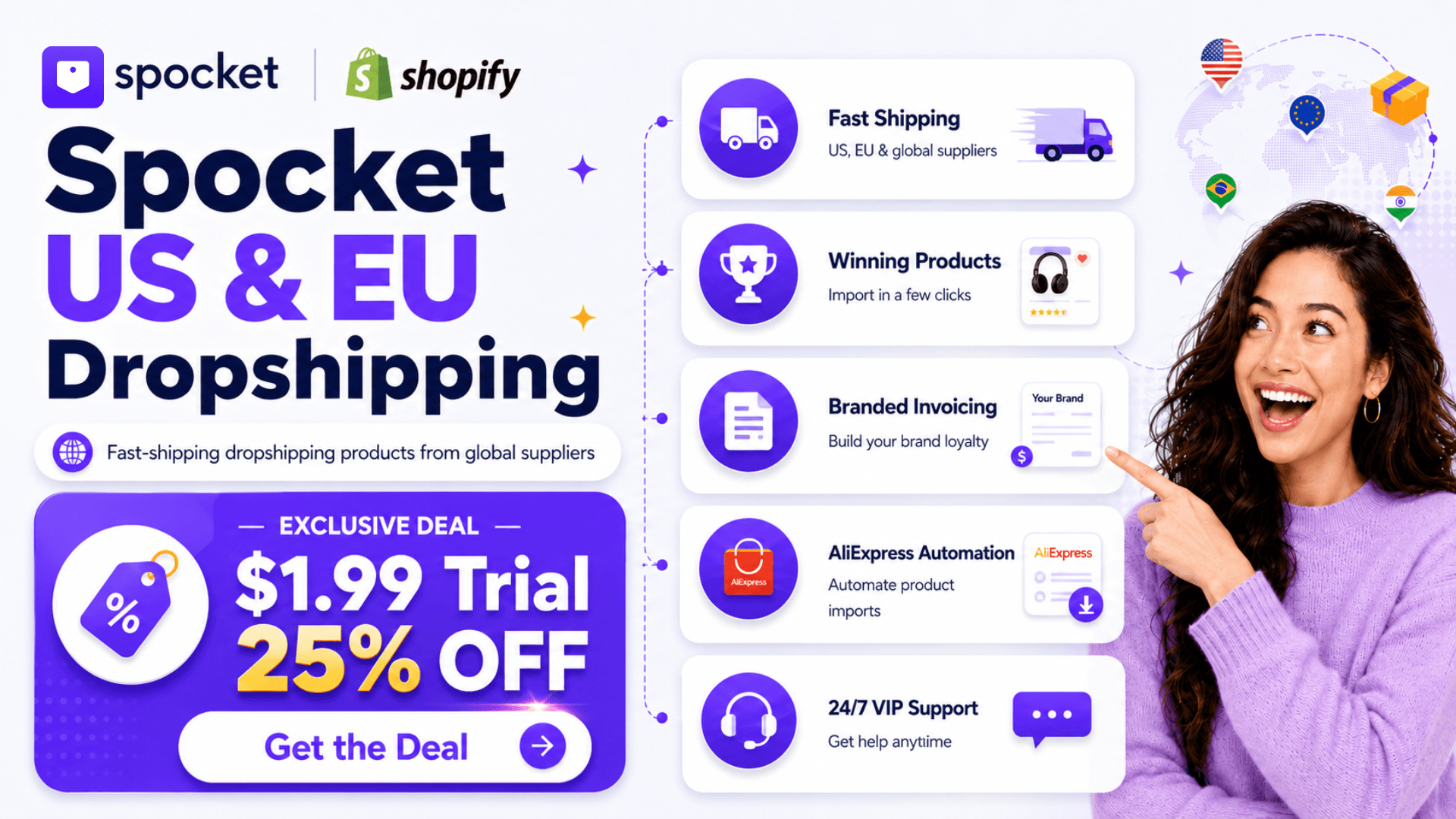
🎁 ShopSideK Reader Exclusive: If you want to explore the supplier catalog risk-free, you can claim an exclusive $1.99 trial and get 25% OFF Spocket paid tiers using coupon code SPOCKET25 at checkout.
What is Spocket Dropshipping and How Does the Platform Work?
Many beginners assume that Spocket is a wholesale supplier that manufactures and packages items in its own warehouses. In reality, Spocket functions as an automated software bridge that connects your Shopify storefront directly with a global network of independent, pre-screened wholesale vendors. It acts as an intermediary, syncing product data, real-time stock levels, and order fulfillment details without you ever handling physical inventory.
When a customer places an order on your Shopify store, Spocket automatically routes the customer’s shipping details to the specific vendor. The supplier then packages and ships the product directly to your buyer’s door. Because Spocket vets these vendors before allowing them onto the marketplace, you bypass the common risks of poor packaging, sudden stockouts, and unreliable tracking numbers.
To understand the scale of the platform, here are the key operational metrics behind the Spocket ecosystem:
- US and EU Sourcing Focus: Roughly 80% of Spocket’s supplier base is located in North America or Europe, which significantly shortens delivery times to Western buyers.
- Zero Minimum Order Quantities (MOQs): You can source and ship individual items as orders come in, eliminating upfront wholesale inventory costs.
- Massive Product Catalog: Access a database of over 20 million winning products across categories like apparel, home goods, tech accessories, and pet supplies.
- Trusted Global Network: Over 500,000 entrepreneurs have used Spocket to process orders, generating more than $2 billion in collective sales.
- Direct Supplier Communication: Paid plan users can message wholesale suppliers directly inside the dashboard to ask about product details, lead times, and customization opportunities.
This direct link between your store and local suppliers eliminates the manual friction of traditional third-party fulfillment. Instead of manually copying shipping addresses and purchasing retail items to fulfill orders, Spocket dropshipping app automates the entire process. This automation allows you to step away from daily logistics and focus your energy on marketing, branding, and customer acquisition.
Unpacking the Shipping Math: Delivery Times vs. Processing Delays
Many new store owners face a common issue when transitioning from AliExpress to Spocket. They see a “2–7 day delivery” badge and immediately promise their customers a two-day delivery window. When packages take longer to arrive, merchants end up dealing with angry emails, refund requests, and chargebacks.
Understanding the operational gap between transit speed and supplier processing is crucial for keeping your storefront running smoothly. Let’s break down the actual shipping logistics so you can set realistic expectations and protect your brand’s reputation.
The Total Wait Time Formula (Processing Days + Transit Days)
When a customer places an order, the product does not instantly land in the mail carrier’s truck. First, the wholesale supplier must receive the order, locate the item in their warehouse, verify its quality, package it securely, and print the shipping label. This preparation period is known as supplier processing time.
While Spocket’s actual shipping transit speeds are fast, supplier processing can take anywhere from 1 to 5 business days depending on the vendor’s scale. To find the realistic delivery window, you must apply the Real Shipping Math formula:
Real Customer Wait Time = Supplier Processing Days + Actual Shipping Days
If a Spocket supplier takes 3 business days to package an item, and the domestic carrier takes 4 business days to deliver it, your customer’s total wait time is 7 business days. If you only advertised “4-day shipping,” your buyer will feel misled and may open a refund dispute.
To avoid this, I suggest always checking each supplier’s processing times on Spocket. Clearly list a combined delivery estimate (such as “5 to 10 business days”) on your product descriptions.
Configuring Shipping Zones and Rates in Shopify
To prevent shipping costs from eating into your retail profit margins, you must align your shipping settings with Spocket’s real-world vendor rates. Spocket suppliers set their own individual shipping fees, which means you need a robust setup in your Shopify admin panel.
Here is how to set up your shipping profiles step-by-step to handle domestic and international orders:
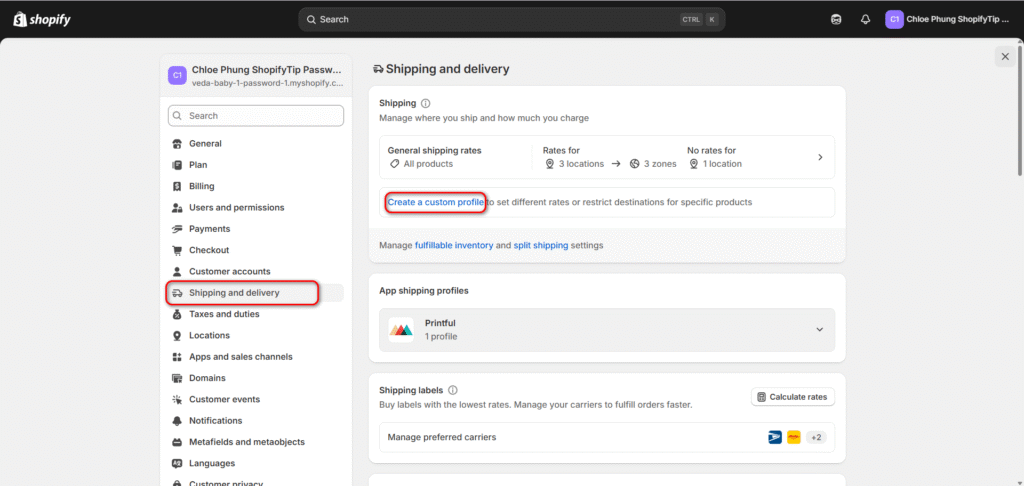
- Step 1: Access Shopify Shipping Settings: Log into your Shopify admin panel, navigate to the bottom-left corner, click Settings, and then select Shipping and delivery.
- Step 2: Create a Custom Shipping Profile: Click Create new profile, name it “Spocket Sourced,” and link your imported Spocket products to this specific profile so general products do not mix with your custom rates.
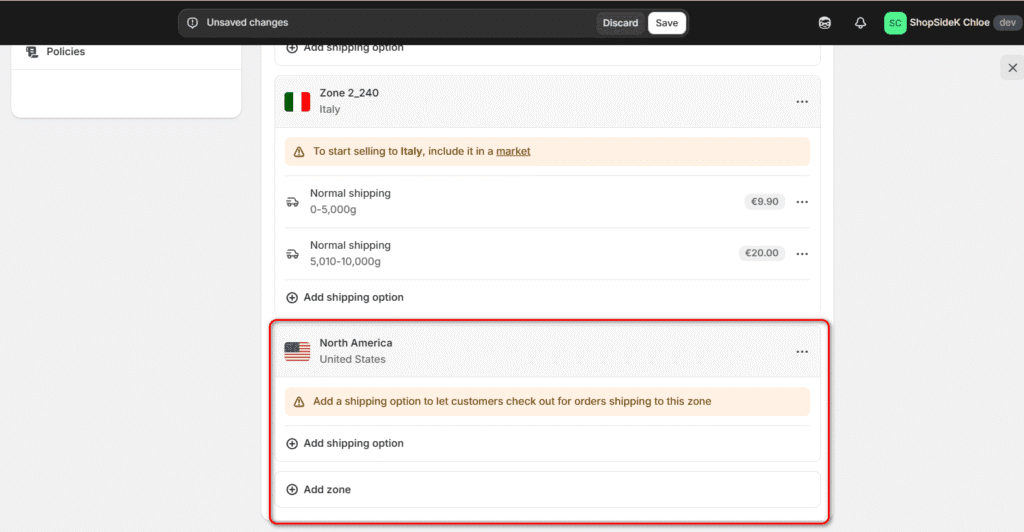
- Step 3: Define Your Shipping Zones: Create distinct geographic zones, such as “United States” and “European Union,” to match Spocket’s primary supplier locations.
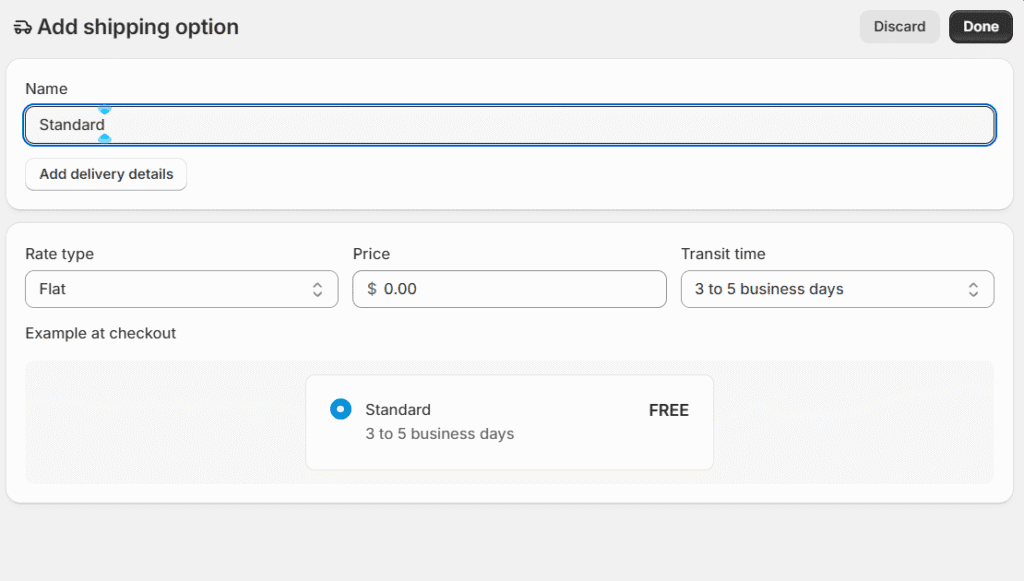
- Step 4: Establish Rate Rules: You can either set up flat-rate shipping (such as charging a flat $4.99 shipping fee) or use weight-based rates. Alternatively, you can use the “Free Shipping” strategy, building the supplier’s average shipping fee directly into the product’s retail markup to boost storefront conversions.
The Core Benefits: 5 Reasons Shopify Merchants Choose Spocket over AliExpress
Sourcing items through AliExpress is often a frustrating cycle of long shipping delays, damaged packaging, and high customer refund rates. While factory-direct pricing from Asia looks appealing on paper, the lack of quality control can quickly damage your store’s reputation.
Successful Shopify merchants are increasingly turning to Spocket to solve these operational pain points. Here are five practical reasons why professional dropshipping operators choose Spocket over traditional AliExpress sourcing models.
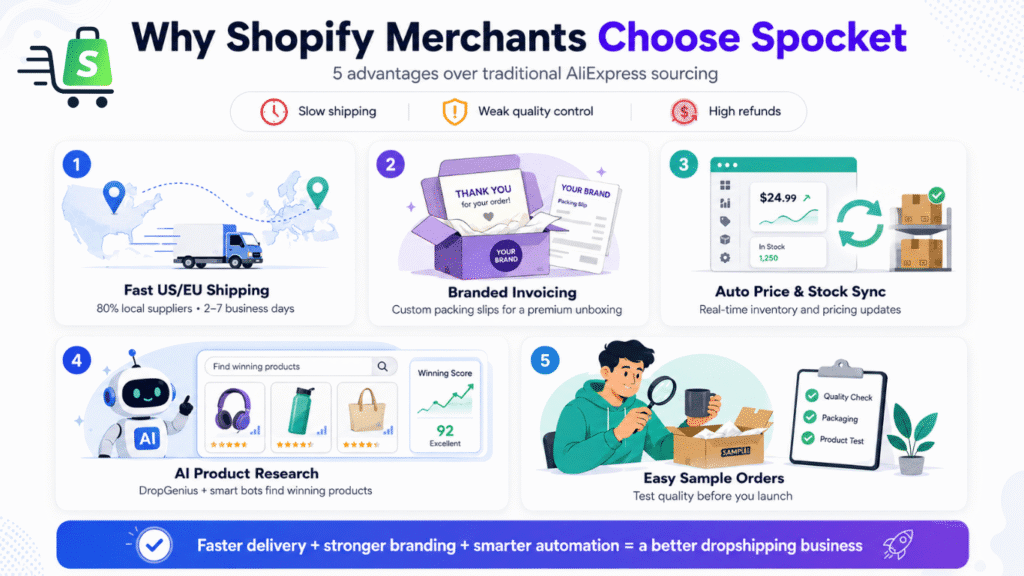
1. Curated US and EU Suppliers for 2–7 Day Shipping Times
Sourcing from Asia often means waiting three to four weeks for a single package to cross the ocean, clear customs, and reach your buyer. With Spocket, roughly 80% of wholesale suppliers are located domestically within the United States and the European Union. This geographic proximity slashes typical shipping times down to a rapid window of 2 to 7 business days.
Instead of navigating complex international shipping backlogs, your orders travel via reliable domestic carriers like USPS, FedEx, and DHL. Shorter delivery times do more than just make your customers happy; they directly protect your payment processors. When buyers receive their tracking numbers and packages quickly, your chargeback rates drop, keeping your Shopify Payments and Stripe accounts in good standing.
2. Branded Invoicing to Build Long-Term Customer Loyalty
When you source items through AliExpress, customers often receive packages wrapped in generic gray mailers covered in foreign customs declarations. Inside, they frequently find promotional materials from third-party wholesale marketplaces, instantly breaking the illusion of buying from a unique boutique. This mismatch makes it nearly impossible to build a cohesive brand identity or encourage repeat purchases.
Spocket solves this branding gap through its Branded Invoicing feature, which is available on all paid subscription tiers. Every package sent by your Spocket suppliers can include a customized packing slip featuring your store’s unique logo, contact details, and a personalized thank-you note. While the supplier still uses neutral external packaging to keep costs low, the internal unboxing experience immediately feels premium, professional, and aligned with your business.
3. Real-Time Automated Pricing and Inventory Synchronization
Manually tracking stock levels across dozens of independent suppliers is an exhausting task. If a vendor suddenly runs out of inventory or raises their wholesale base cost while you are sleeping, you risk selling an out-of-stock item or losing your entire retail profit margin on an outdated listing. Handling these errors requires manual communication, back-ordered shipments, and unhappy buyers.
Spocket dropshipping app eliminates this friction through real-time automated inventory and pricing synchronization. The moment a supplier updates their physical stock levels or adjusts their base cost, the modifications sync instantly to your Shopify dashboard. Out-of-stock items are automatically hidden on your storefront, protecting you from manual refund loops.
Additionally, you can configure advanced global pricing rules to automatically apply fixed, multiplier, or percentage-based markups to newly imported items.
4. DropGenius and Smart AI-Powered Product Research Bots
E-commerce product research can take days of manual research and spreadsheet tracking. However, Spocket dropshipping simplifies this process by integrating machine learning tools directly into its user dashboard. The platform features DropGenius, an AI-powered store builder that can automatically construct an entire, niche-specific storefront pre-loaded with vetted, high-margin items.
Alongside this, Spocket’s predictive analytics bots monitor social media trends, search volumes, and purchase history data to forecast upcoming market demand. Instead of guessing which products will perform well, the Smart Sourcing Bot recommends specific winning products with high profit potential and rapid delivery histories. By leveraging these AI-driven tools, you can discover high-converting SKUs and launch targeted ad campaigns before your competitors saturate the market.
5. Low-Barrier Sourcing of Product Samples Prior to Launch
Successful merchants never list products on their storefronts without testing them first. Selling an item sight unseen is a massive risk that can lead to high refund rates if the material feels cheap or the packaging arrives damaged. However, traditional wholesale models often make ordering single samples difficult due to strict minimum order requirements.
Spocket makes quality control straightforward by offering a low-barrier sample ordering system inside the product dashboard. With just a few clicks, you can order single product samples directly from any supplier’s listing page at the standard wholesale price. This process allows you to personally audit the carrier’s real-world transit speeds, inspect physical material standards, and verify overall packaging durability. Once you are satisfied with the product’s quality, you can write custom copy and shoot original brand photography with peace of mind.
The Spocket Pricing Dilemma: Subscription Plans vs. Actual Profit Margins
Choosing the right Spocket pricing plan requires a clear look at your projected sales volume. Sourcing from domestic markets lowers shipping delays, but the software itself introduces recurring monthly overhead that you must factor into your financial planning.
To maintain healthy retail profit margins, you must understand exactly what each tier offers and how to manage the transaction fees. The table below outlines the core Spocket subscription options available to Shopify merchants:
| Plan | Monthly Cost | Annual Equivalent | Key Features |
|---|---|---|---|
| Free Plan | $0 / mo | $0 / yr | Browse catalog, 24/7 basic chat support, no product imports. |
| Starter Plan | $39.99 / mo | N/A | Access 7M+ products, AliExpress dropshipping, unlimited orders, image search. |
| Pro Plan | $59.99 / mo | $24.00 / mo ($288 billed annually) | Up to 250 unique products, 25 premium products, Branded Invoicing, supplier chat. |
| Empire Plan | $99.99 / mo | $57.00 / mo ($684 billed annually) | Up to 10,000 unique products, 10,000 premium products, eBay dropshipping. |
Spocket Subscription Tiers Explained: Free, Starter, Pro, and Empire
Spocket pricing is structured around four primary subscription tiers, each designed for different stages of store growth. To help you evaluate the monthly app overhead, here is a detailed breakdown of what each plan offers:
- Free Plan ($0/mo): This plan is free to install and includes basic 24/7 live chat support. It is highly recommended for exploring the supplier dashboard and catalog interface before committing to a paid plan.
- Starter Plan ($39.99/mo): This tier unlocks access to over 7 million US and EU products, 0% transaction fees, image searching, and unlimited monthly orders. It includes a 7-day free trial but does not allow you to source premium products or use customized packaging slips.
- Pro Plan ($59.99/mo or $288/year): Billed annually, this option saves you 60% on subscription costs, reducing the price to an equivalent of $24 per month. It unlocks 250 unique products, 25 high-margin premium products, direct supplier messaging, and Branded Invoicing.
- Empire Plan ($99.99/mo or $684/year): Billed annually, this tier saves you 43% on your subscription, bringing the monthly cost down to $57. It unlocks up to 10,000 unique products, 10,000 premium products, and access to Spocket Academy.
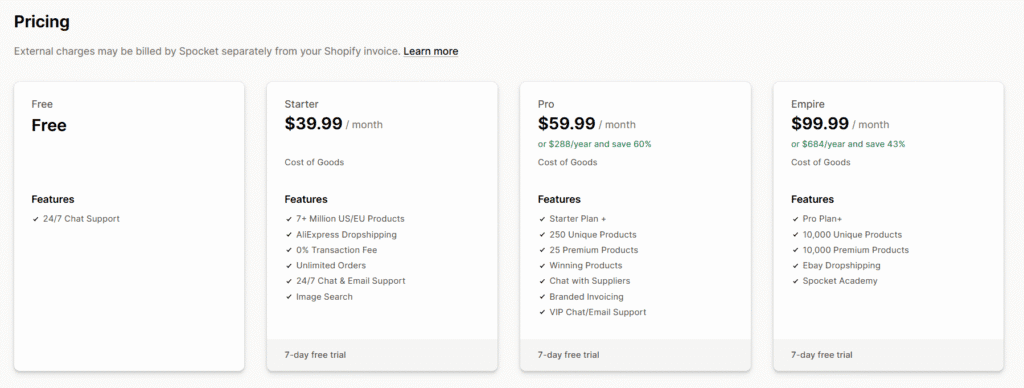
To ease the initial app overhead, you can bypass standard public pricing. By signing up through our partner link, you can access an exclusive $1.99 trial and apply coupon code SPOCKET25 at checkout for a 25% discount on your monthly billing.
The Hidden Costs: Payment Gateway Stripe Fees and Sourcing Markups
Subscription fees are only one part of your storefront’s financial equation. To calculate your true retail profit margins, you must account for payment processor transaction fees and supplier markups.
Most Shopify merchants use Shopify Payments or Stripe to accept customer credit cards. Stripe charges a standard payment processing fee of 2.9% plus $0.30 per successful order, which is deducted from your gross retail price before the payout reaches your bank account.
On top of payment gateway fees, you must account for the supplier’s shipping charges and base item costs. Because Spocket’s Western suppliers pay higher wages and adhere to stricter manufacturing standards than overseas factories, their wholesale base costs are naturally higher. If you do not factor in these combined costs when setting your retail prices, your margins can quickly disappear.
The Spocket Sourcing Margin Estimator (A Simple Formula for Shopify Beginners)
To help you determine whether your e-commerce model is viable, you can use a simple mathematical formula to calculate your monthly breakeven threshold. This calculation helps you understand exactly how many items you need to sell to cover your Spocket pricing plan.
Here is the formula to calculate your breakeven point:

Let’s look at a practical example using this margin estimator. If you are on the Pro Plan ($59.99/mo) and sell a product that yields exactly $10 in net profit after factoring in the supplier’s wholesale cost, local shipping, and standard Stripe transaction fees, the calculation is straightforward:
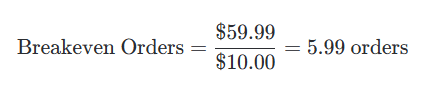
This means you must generate at least 6 orders per month just to cover your recurring software subscription. Any orders you generate beyond this breakeven threshold represent true retail profit for your business, helping you scale your advertising campaigns.
The True Cost of Spocket: Sourcing Realities and Margin Constraints
While fast shipping and automated listings are highly attractive, you cannot build a sustainable brand without analyzing the underlying financial realities. Sourcing from Western suppliers is completely different from importing cheap goods from overseas factories.
To help you make an informed decision, let’s look at the actual profit margin constraints and operational trade-offs you will face when using Spocket.
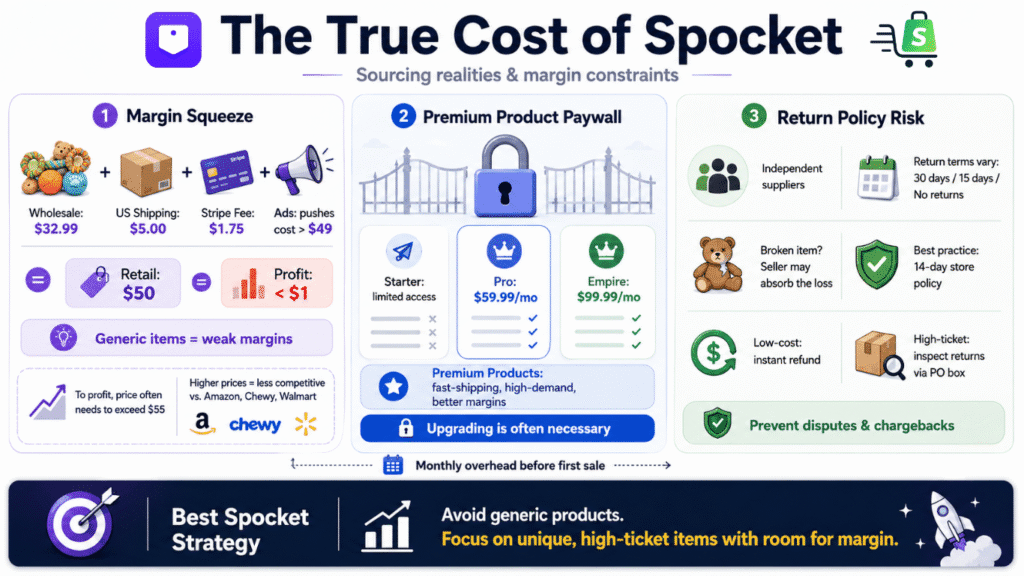
High Sourcing Base Costs and the Battle for Retail Margin Viability
The single largest challenge when using Spocket dropshipping is the elevated wholesale product costs. Because US and EU suppliers operate under strict labor laws and high manufacturing standards, their unit prices are significantly higher than Asian alternatives. This makes finding products that support healthy e-commerce profit margins a hands-on search process.
Let’s look at a real-world case study of a generic six-pack dog toy set listed on Spocket. The wholesale base cost for this item is $32.99, and shipping within the US averages another $5.00.
If you use standard Stripe transaction fees of 2.9% plus $0.30, a retail price of $50.00 will incur $1.75 in processing costs. When you factor in paid social ads to acquire the customer, your total acquisition and fulfillment cost easily surpasses $49.00.
This leaves you with a tiny profit margin of less than a dollar, making the product functionally unviable. To generate healthy profits, you would have to price this basic toy set above $55.00, which can make your storefront uncompetitive compared to major retailers like Amazon.
To combat this margin squeeze, wise Spocket operators avoid generic items. Instead, they focus on unique, high-ticket goods where buyers are less price-sensitive.
The Paywalled “Premium Products” Tier Hurdle
Another significant financial hurdle is how Spocket dropshipping structures its product access. The platform locks its most profitable, fast-shipping, and high-demand items behind a paywall categorized as Premium Products.
To sell these high-margin items, you cannot remain on the Starter plan. Instead, you must upgrade to the Pro plan ($59.99/mo) or the Empire plan ($99.99/mo).
For beginners, this paywall creates a heavy monthly software overhead before the store has generated its first sale. If you source only standard products to save on subscription costs, you may find yourself selling saturated, lower-quality items.
Because Spocket’s premium products are vetted based on real-time sales velocity data, upgrading to the Pro plan is often a mandatory step to access products that actually convert.
Return Policy Discrepancies Across Independent Wholesale Vendors
Unlike centralized marketplaces, Spocket is a directory of independent wholesale suppliers. This decentralized structure means there is no universal return policy across the platform.
One supplier may offer a standard 30-day return window, while another might have a strict 15-day limit or a strict no-returns policy. If a buyer receives a broken item and your supplier refuses to accept the return, you must eat the financial loss yourself.
To protect your Shopify payment gateways from chargebacks, you must write a standardized storefront return policy that absorbs these vendor inconsistencies. For example, you can write a flat 14-day store return window and build a small dispute buffer into your product retail markups.
This ensures that you can refund customers out of pocket when necessary without hurting your overall store health.
For low-cost items, it is often safer to issue an immediate refund without requiring the customer to ship the product back. This keeps your buyers happy, prevents credit card disputes, and saves you from paying return shipping fees to rigid suppliers.
For higher-ticket items, you can direct customers to return products to a personal PO box so you can manually inspect the goods before deciding to resell them.
Head-to-Head Comparison: Spocket vs. Zendrop vs. DSers vs. FFOrder
Choosing a sourcing app is not about finding the absolute “best” software. Instead, it is about aligning a platform’s supplier network, pricing tiers, and branding features with your specific business model.
To help you evaluate your options, we compared Spocket side-by-side with other popular dropshipping apps: Zendrop, DSers, and FFOrder.
| Sourcing App | Live App Store Rating | Entry Cost | Active Catalog Limitations | Primary Strength | Ideal Store Model |
|---|---|---|---|---|---|
| Spocket | 3.8★ (575 reviews) | $0 / mo (Free Plan) | Pro Plan ($59.99/mo) required for Branded Invoicing & Premium Products | Curated, vetted US & EU suppliers (2–7 day delivery times) | Premium stores targeting US/EU markets |
| Zendrop | 4.3★ (1,177 reviews) | $0 / mo (Free to install) | No linked products allowed on the Free Plan; $29/mo limit is 20 products | Automated domestic US shipping & Print on Demand (POD) | US-based brands starting out with small catalogs |
| DSers | 4.9★ (5,299 reviews) | $0 / mo (Basic Plan) | Unlimited product importing on Free; paid plans start at $19.90/mo | AI-automated AliExpress mapping & bulk listing | High-volume budget stores sourcing from Asia |
| FFOrder | 4.9★ (230 reviews) | $0 / mo (Free to install) | No subscription fees; pay operational service & item fees per order | Factory-direct pricing with global warehousing & Manual QC | Budget-conscious beginners seeking customized packaging |
If your target audience is located in the US and Europe, and you want to build a premium brand with fast delivery speeds, Spocket is a strong contender. Its 3.8-star App Store rating reflects high user satisfaction with shipping speeds, though some users criticize the $59.99 monthly cost required to unlock Branded Invoicing. This monthly overhead makes Spocket a better fit for established stores with existing sales volume.
For merchants with smaller catalogs who want to focus on domestic shipping and print-on-demand items, Zendrop is a popular alternative. Rated at 4.3 stars, it is free to install, but its free tier is highly restrictive because it does not allow you to link any products to your storefront. To list products, you must choose between their Beginner ($29/mo for up to 20 products), Pro ($49/mo for up to 100 products), or Plus ($79/mo) plans.
If you want to run a high-volume budget store, DSers remains the industry standard. Boasting a stellar 4.9-star rating based on over 5,000 reviews, its basic plan is completely free and allows unlimited product importing from AliExpress. For advanced features like bulk mapping and bundle creation, paid tiers start at a very reasonable $19.90 per month (or $190.80/year), and their top-tier Pro plan is available at $49.90 per month.
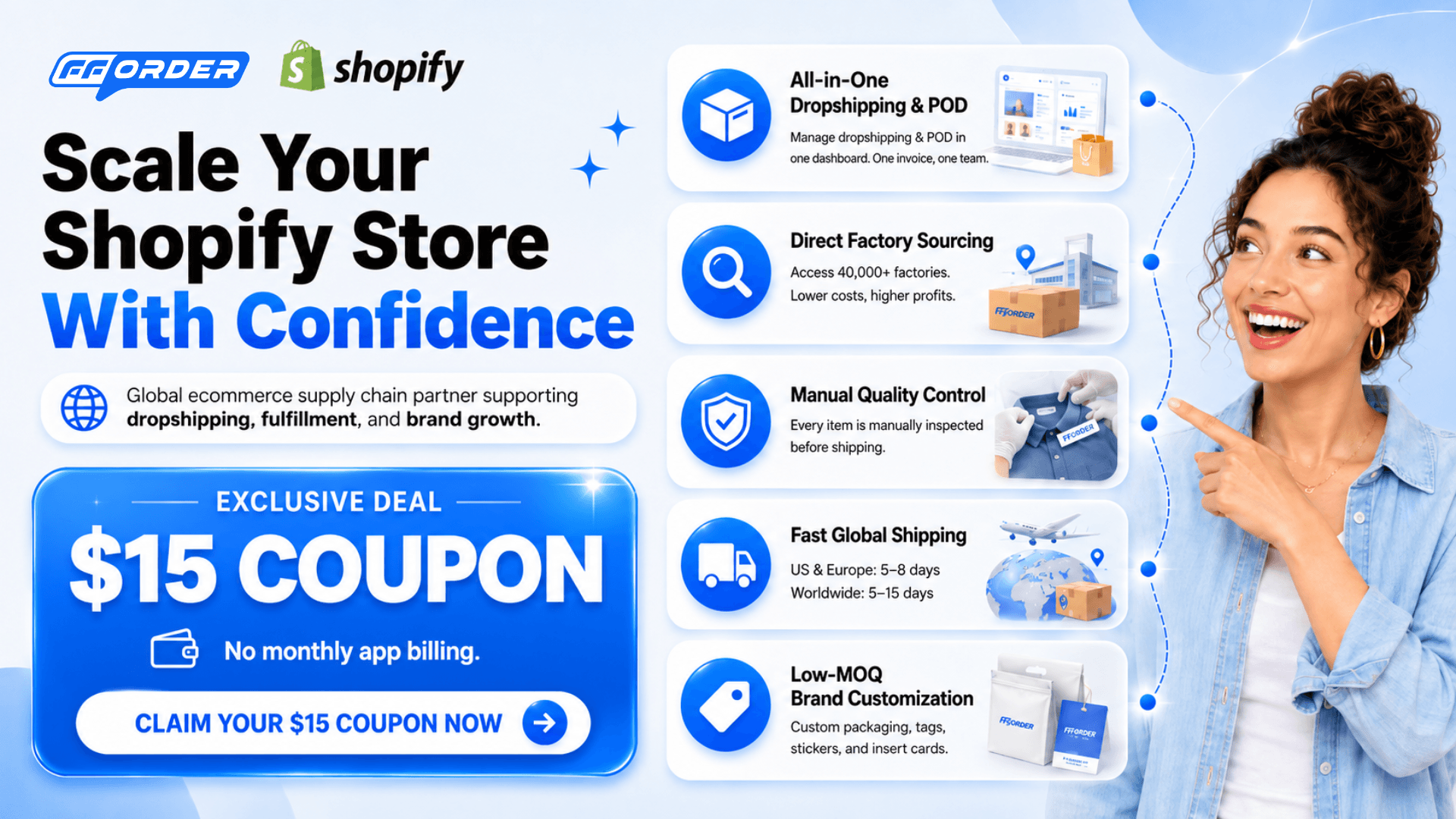
Finally, FFOrder offers an ultimate fee-free, all-in-one dropshipping & POD model for beginners. It connects you directly with 40,000+ Chinese factories for low-MOQ custom tags/packaging, provides fast shipping to the US/EU in 7–9 business days (10–15 business days globally) and assigns a dedicated 1-on-1 account manager to resolve supplier issues for you. Plus, you can claim an exclusive $15 signup coupon here.
Step-by-Step Tutorial: How to Set Up Spocket Shopify App in 3 Simple Steps
Integrating Spocket with your Shopify store is a quick, straightforward process that requires absolutely no coding. By automating your product importing and inventory syncing, you can launch your storefront and begin selling in a single afternoon.
Here is the exact step-by-step workflow to connect the platform and prepare your store for its first customer.
Step 1: Connect Spocket to Your Shopify Store Dashboard
To begin, you must authorize the connection between the sourcing app and your active storefront dashboard.
📌 Important Billing Step: Make sure to sign up for your account using our exclusive ShopSideK partner link first before installing the app. This ensures the special $1.99 trial and your 25% discount (using coupon code SPOCKET25) are applied to your billing profile.
Once your account is registered, log in to your Shopify admin panel and head directly to the Spocket Shopify App Store listing. And click the green Install button on the official app page.
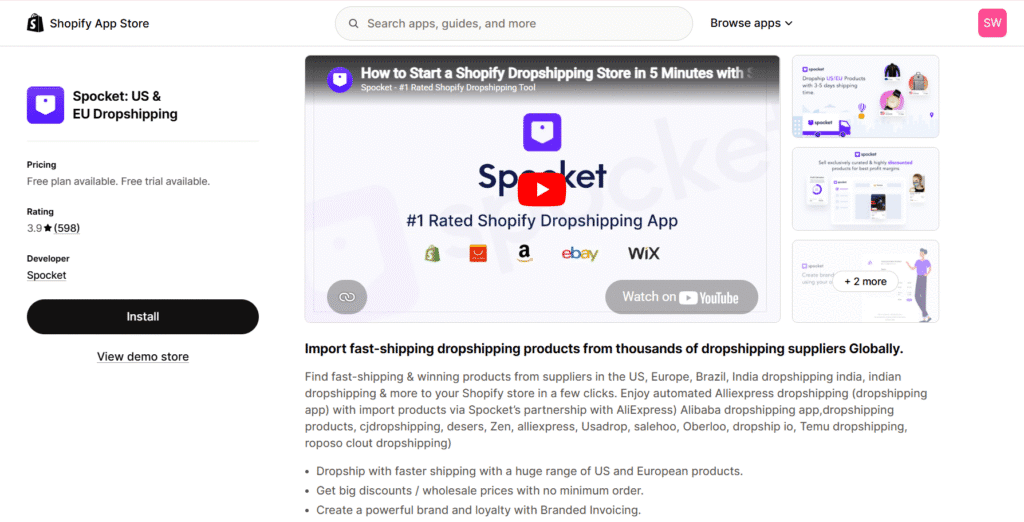
Shopify will display a permissions screen explaining how the app will sync your order details and customer addresses. Click Install app button to complete the secure integration and open your new supplier interface.
Step 2: Use Filters to Find and Import Vetted US and EU Products
Now that your storefront is connected, you can begin exploring Spocket’s massive catalog of wholesale goods. To protect your brand from shipping delays, you should prioritize domestic suppliers that operate near your target customers.
Navigate to the Spocket dashboard and select the US/EU Products tab from the left-hand navigation menu under Find products. From there, use the horizontal filter buttons located directly below the category blocks to narrow down your sourcing parameters.
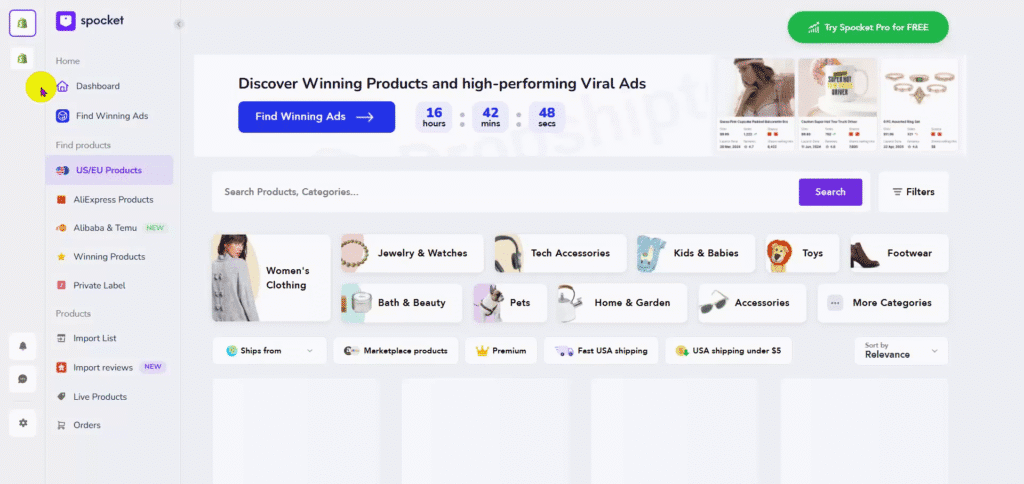
You can click the Ships from dropdown menu to select specific countries, or click quick-filters like Fast USA shipping or USA shipping under $5 to instantly isolate domestic vendors. When you find a product that fits your niche, hover over the item and click the Add to Import List button.
Head over to your customized Import List tab in the left-hand sidebar under Products, where you can rewrite the product title, edit descriptions to match your brand’s voice, and select your preferred product photos.
Once you are satisfied with the listing, click Push to Shopify to instantly sync the details, images, and live inventory levels directly to your active online storefront.
Step 3: Configure Advanced Global Markup Rules and Enable Branded Invoices
Before you launch your marketing campaigns, you must automate your retail pricing so you do not have to update item costs manually. You should also configure your customized packaging slips to build brand authority during delivery.
Inside your Spocket dashboard, navigate to Settings and select Global Pricing Rules. Here, you can establish an automated markup system using a fixed markup (such as adding $10 to all items), a multiplier markup (such as doubling the wholesale cost), or a percentage markup (such as adding a 40% margin).
Next, click on the Branded Invoicing tab to set up your customer packaging slips. Upload a clean, high-resolution copy of your brand logo, add your customer support email address, and write a personalized thank-you note.
Your suppliers will now automatically print and insert these customized invoices into every package they ship. This subtle branding touch keeps your store top-of-mind and encourages buyers to return for future purchases.
What Real Merchants Say: Analyzing Reviews on Trustpilot and Shopify App Store
Before integrating any new app into your active storefront, it is vital to analyze public user feedback. Evaluating how a platform performs under daily business pressure helps you prepare for real-world shipping and billing issues.
To provide a balanced view, we analyzed thousands of Shopify reviews and Trustpilot ratings left by active store operators.
✅ The Positives: Spocket currently holds a 4.5 out of 5 stars on Trustpilot across over 10,663 reviews, along with a 3.8 out of 5 stars on the Shopify App Store based on exactly 575 reviews. When looking closely at Spocket dropshipping reviews, long-term store owners frequently praise the seamless API automation, accurate real-time inventory updates, and fast domestic US and EU delivery speeds.
❌ The Negatives: On the other hand, a segment of recent 1-star ratings on both platforms warns of unexpected billing disputes, difficult trial cancellation loops, and delayed sample orders. To navigate these potential issues smoothly, you should treat your testing phase with standard business precautions.
The ShopSideK Safety Protocol
To protect your store from subscription friction, we recommend adopting the ShopSideK Safety Protocol during your initial testing phase:
- Use a Virtual Card for Trials: Register for the $1.99 trial using a virtual payment card with a strict spending cap (such as those offered by Revolut or Privacy.com). This gives you complete control over your billing and prevents any unauthorized recurring subscription charges if you decide to cancel.
- Document Your Cancellation: If you decide the platform is not the right fit for your storefront, cancel the subscription directly within your Spocket dashboard. Be sure to take a quick screenshot of the cancellation confirmation screen for your business records.
- Initiate Support Contact Immediately: If you experience any billing discrepancies or cancellation delays, reach out to the Spocket support team immediately. You can reach them 24/7 via their internal live chat or email them directly at support@spocket.co to manually close out your account details.
- Pre-Verify Sample Orders: Before ordering product samples, use Spocket’s internal supplier messaging feature to directly contact the vendor. Confirm live inventory levels and shipping tracking details to avoid any packaging delays.
Final Verdict: Who Should Use Spocket Dropshipping and Who Should Skip It?
Spocket dropshipping is not a one-size-fits-all sourcing tool. Depending on your business capital, target geographic market, and branding strategy, the platform will either be a powerful engine for your store’s growth or an expensive monthly drain on your resources.
To help you make a decisive choice for your business, let’s look at who stands to gain the most from this platform and who should look elsewhere.
You Should Use Spocket If:
- You Target US and EU Markets: Your store targets buyers in North America or Europe who expect rapid delivery, reliable tracking numbers, and professional packaging.
- You Sell High-AOV Products: You focus on high-ticket niches or unique product bundles that generate a high Average Order Value (AOV), allowing you to easily absorb Spocket’s premium wholesale costs.
- You Want to Build a Brand: You want to cultivate long-term customer loyalty and repeat purchases by utilizing customized, branded packing slips.
- You Prioritize Automation: You want to step away from manual shipping logistics and use real-time inventory updates and automated pricing rules to scale your operations.
You Should Skip Spocket If:
- You Have a Near-Zero Starting Budget: You cannot comfortably afford a monthly app subscription of $39.99 to $59.99 alongside your standard Shopify platform fees.
- You Focus on Cheap, High-Volume Goods: You plan to sell generic, low-cost items under $15, where thin profit margins make covering a recurring app fee mathematically unviable.
- You Require Complete Packaging Customization: You want to customize the actual external cardboard shipping boxes or print custom product tags, which independent Spocket vendors do not currently support.
Build your store with fast US and EU shipping today. Skip standard pricing hurdles by using our exclusive partner link to lock in your $1.99 trial, and apply code SPOCKET25 at checkout for an immediate 25% discount on your monthly plan. Claim your exclusive ShopSideK discount and start importing products to your Shopify store today!
Spocket Dropshipping FAQ
Managing a dropshipping business comes with plenty of operational questions. To help you navigate the technical setup, we have compiled answers to the most common queries regarding Spocket and its integration with Shopify.
Does Spocket impact my Shopify store’s page load speed?
From my perspective, no, Spocket does not slow down your store’s page load speed. The app operates strictly in the backend, communicating product updates, inventory counts, and order data via secure API calls. Because it does not inject heavy, external Javascript files into your storefront’s theme files, your customer-facing page load times remain fast and responsive.
Can I migrate bulk product listings from Oberlo, DSers, or CJ Dropshipping directly into Spocket?
Since Shopify retired Oberlo, many merchants looking to transition to Spocket have had to rebuild their collections. Because DSers and CJ Dropshipping rely on completely different databases and individual suppliers, you cannot automatically migrate active product listings with a single click. Instead, you must locate the equivalent domestic products within Spocket’s catalog and import them to your Shopify store.
If you are looking to transition your existing AliExpress listings over, you can use Spocket’s AliScraper Chrome extension. This tool helps you quickly import those items and manage your fulfillment through the Spocket dashboard.
How does Spocket handle international shipping and customs duties?
Spocket suppliers set their own unique shipping zones, transit rates, and customs handling processes. If you source an item from a US-based vendor and ship it to a customer in the United Kingdom or the European Union, the package may incur local import taxes, VAT, or customs duties.
To minimize shipping delays and prevent unexpected customs fees for your customers, it is best to source products from suppliers located in the same geographic region as your target audience. For example, you can use Spocket’s search filters to pair EU suppliers with EU buyers and US suppliers with US buyers. This geographic matching keeps shipping costs low and avoids international tax complications.