⚡ ShopSideK Verdict
The best things to sell on Shopify in 2026 fall into 10 physical product categories and 5 digital product categories — from eco-friendly goods and health supplements ($471B market by 2032) to digital products with 80–95% profit margins. To identify a winning product, evaluate your ideas using the 5-Point Product Opportunity Scorecard (evaluating market demand, margins, competition, marketing fit, and logistics) and launch a low-risk dropshipping or print-on-demand store within 48 hours.
| Category | Hot Product | Demand | Margin | Competition |
|---|---|---|---|---|
| 🌿 Eco-Friendly | Reusable storage wraps | High | Med | Med-High |
| 💊 Supplements | Mushroom coffee blends | High | High | High |
| 💄 Skincare | LED light therapy masks | High | Very High | Very High |
| 🏋️ Activewear | Seamless leggings sets | Very High | Med-High | Very High |
| 🐾 Pet Supplies | GPS tracking collars | High | Med | High |
| 🏠 Smart Home | Robotic vacuums | High | Low-Med | Med |
| 💻 Home Office | Standing desks | High | Med-High | Med |
| 🎨 Handmade/POD | Custom pet portraits | High | Med | High |
| 🍳 Kitchen | Insulated tumblers | High | Med | High |
| 🎮 Hobbyist | E-bikes & gaming gear | Med | High | Low-Med |
-
1Market Demand — Use Google Trends + Keyword Planner. Look for stable or rising trendlines, not fads.
-
2Profit Margin — Can you price high enough to cover COGS + marketing and still profit? Aim for 30%+.
-
3Competitive Landscape — Competition = proof of market. Find an underserved niche within it.
-
4Marketing Channel Fit — Visual products → TikTok/Instagram. Problem-solvers → SEO/YouTube.
-
5Sourcing & Logistics — Dropshipping = low risk, lower margins. Private label = higher investment, stronger brand. Digital = near-zero overhead.
Factory-direct sourcing, QC checks, and automated print-on-demand fulfillment.
Best for generating recurring subscription revenue on health & consumable products.
Drive customer retention and repeat purchases with points, referrals, and VIP rewards.
Free 3-day trial · Then $1/month for 3 months · Launch in 48 hours
Choosing a product to sell is often the single biggest hurdle for new entrepreneurs. I know how tricky it can be. And the question of what to sell on Shopify is filled with big questions: Is this popular enough? Is it profitable? Is the market too crowded? This analysis paralysis can stop a great business idea before it ever starts.
This is not just another list of Shopify product ideas. This is a decision-maker’s guide.
We’ll go beyond just what to sell on Shopify by showing you how to evaluate each opportunity with a data-driven framework. For every idea, you’ll get a mini-playbook with target customers and marketing angles to help you envision the path from product idea to profitable launch.
By the end, you won’t just have a list of options; you’ll have the clarity and confidence to choose the right one for you.
- 1. Sustainable & Eco-Friendly Products
- 2. Niche Health & Wellness Supplements
- 3. Specialized Skincare & Makeup
- 4. Fashionable Activewear & Athleisure
- 5. Curated Pet Supplies
- 6. Smart Home & Automation Devices
- 7. Remote Work & Home Office Gear
- 8. Personalized & Handmade Goods
- 9. Specialized Kitchen & Drinkware
- 10. Hobbyist & Niche Enthusiast Products
How to Choose Your Winning Product: A 5-Point Evaluation Framework
A great idea is not the same as a great business opportunity. To find a product that will actually succeed, you need a way to vet your ideas objectively.
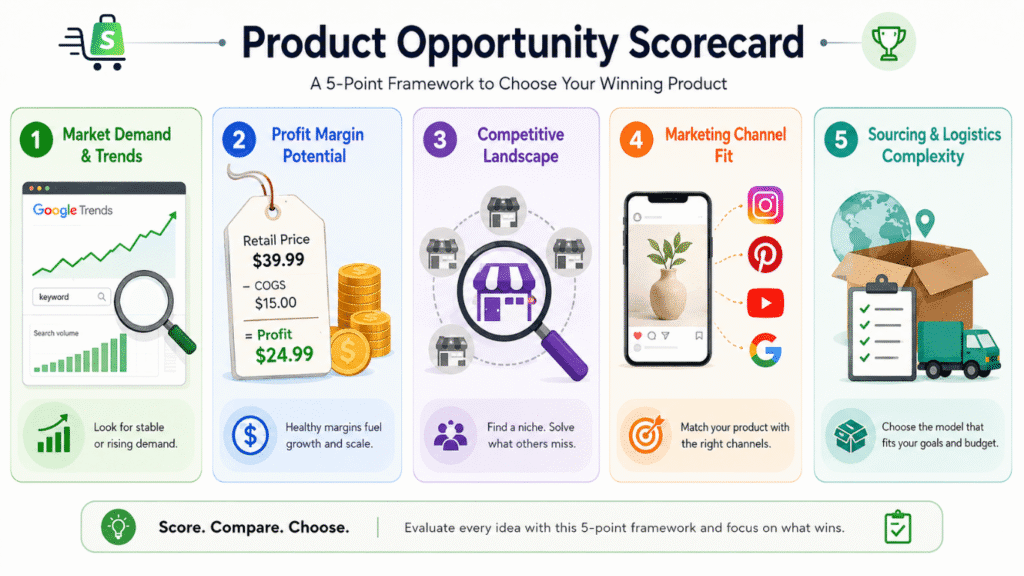
We’ve developed a 5-point evaluation framework – the Product Opportunity Scorecard – to help you analyze potential products like a seasoned pro and confidently decide what to sell on Shopify.
We’ll use this scorecard for every idea in this guide, so you can see exactly how to think strategically about what you sell.
Market Demand & Trends
The first question is simple: are people actually looking for this product? Gut feelings aren’t enough. You need data. Tools like Google Trends can show you if a product’s search interest is growing, shrinking, or just a seasonal fad.
Similarly, keyword research tools (e.g., keywordtool) can reveal how many people are searching for specific terms each month, giving you a clear signal of market demand. A winning product should have a stable or rising trendline.
Profit Margin Potential
Popularity means nothing if you can’t make money. Your profit margin is the difference between your product’s retail price and the cost to acquire and sell it (Cost of Goods Sold, or COGS).
A product with healthy margins gives you the financial cushion to invest in marketing, customer service, and growth. When evaluating ideas, always consider if the product can be priced high enough to sustain a real business after all costs are paid.
Competitive Landscape
Competition isn’t a bad thing – it’s proof that a market exists. The key is to find a unique angle. Instead of trying to be the next Amazon, focus on a specific niche. As Pete Maldonado, founder of the successful snack brand Chomps, advises,
“Focusing on a very niche community allowed us to make waves…”
Look for underserved customer segments or weaknesses in existing products that you can improve upon.
Marketing Channel Fit
Different products are sold in different ways. A visually stunning piece of home decor is perfect for the visual-first worlds of Instagram and Pinterest. A problem-solving gadget, however, might perform best with long-form YouTube reviews and search engine optimization (SEO) that targets people actively looking for a solution.
I’ve found that a great product idea becomes a real business when you know exactly how you’re going to reach your customers.
Sourcing & Logistics Complexity
Finally, consider the practical reality of getting your product to your customers. Business models like dropshipping allow you to start with no inventory, making them low-risk. To protect your profit margins, you can utilize free sourcing apps like FFOrder Dropshipping, which connect your store directly to factory-direct pricing while automating order fulfillment.
Creating your own handmade goods or developing a private label product gives you full control over quality and branding, but requires more upfront investment in inventory and shipping.
For a lower-risk middle ground, hybrid platforms like FFOrder allow you to customize your products with print-on-demand designs and low-MOQ custom packaging inserts, helping you build a private-label brand identity without upfront stock overhead. Your choice here will define your startup costs and daily operations.
Top 10 Trending Physical Products to Sell on Shopify
Here are 10 of the most promising physical product categories, which include some of the best products to sell on Shopify right now. For each one, we’ve applied our evaluation framework and created a mini-playbook to show you how a product idea can become a real business.
🎁 Check this sheet for a list of 200 items to sell, sorted by category
1. Sustainable & Eco-Friendly Products
Conscious consumerism is no longer a niche – it’s a mainstream movement. Shoppers are actively seeking products that align with their values, and research shows they’re willing to pay more for them. This shift has created a massive opportunity for brands built on a foundation of sustainability.
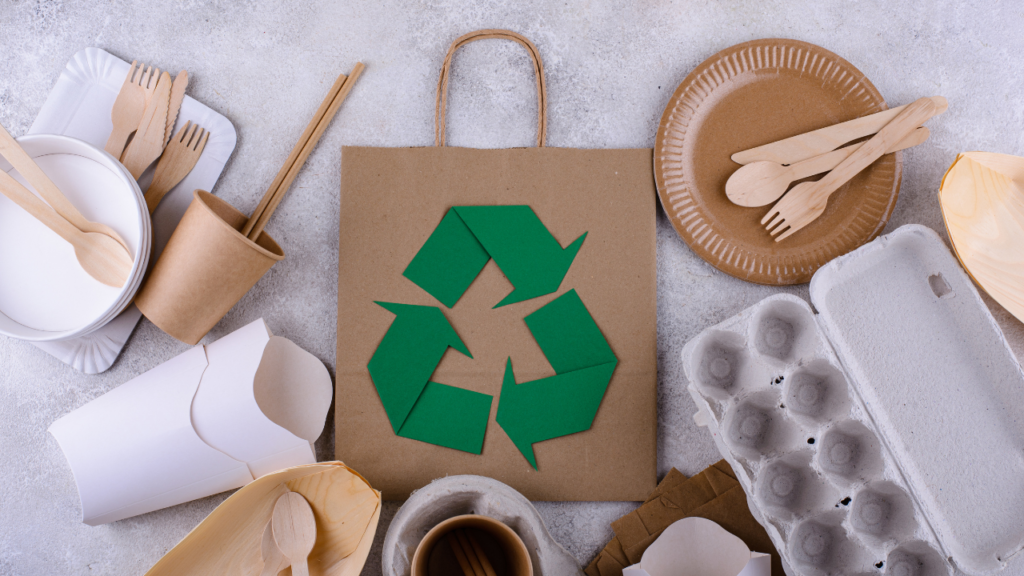
You can see this trend in action with brands like Sabai Design, which creates beautiful, high-end furniture from recycled and natural materials, and Zero Waste Store, which offers a comprehensive catalog of everyday items designed to reduce household waste.
The key is to offer thoughtful alternatives to single-use products.
Top 5 Trending Product Ideas for 2026:
- Reusable food storage wraps and silicone bags
- Water filter pitchers and bottles
- Shampoo and conditioner bars
- Bamboo toothbrush and utensil sets
- Refillable cleaning product kits
Product Opportunity Scorecard:
- Market Demand: High (Stable, year-round interest with growing search volume for terms like “zero waste”).
- Profit Margin: Medium (Can be high for unique products, but competitive for common items).
- Competition: Medium to High (Many sellers, but a strong brand story can cut through the noise).
- Marketing Fit: Excellent for Instagram, Pinterest, and SEO-driven blogs.
- Logistics Complexity: Low (Many products are small, lightweight, and ideal for dropshipping).
Go-to-Market Playbook:
- Audience: Eco-conscious millennials and Gen Z, families looking to reduce waste.
- Model: Start by dropshipping a curated collection of products, then move to private labeling your best-sellers.
- Browsing through a few Shopify dropshipping store examples can give you a great sense of how to beautifully merchandise these items right from the start.
- Marketing Angle: Focus on education and impact. Create content showing how your products help reduce plastic waste. Partner with sustainability influencers on TikTok and Instagram.
2. Niche Health & Wellness Supplements
The wellness market is booming, but the real opportunity for new entrepreneurs lies in specialization. Instead of selling generic multivitamins, focus on specific, high-demand trends like collagen powders for skin health, mushroom blends for focus, or targeted supplements for sleep.
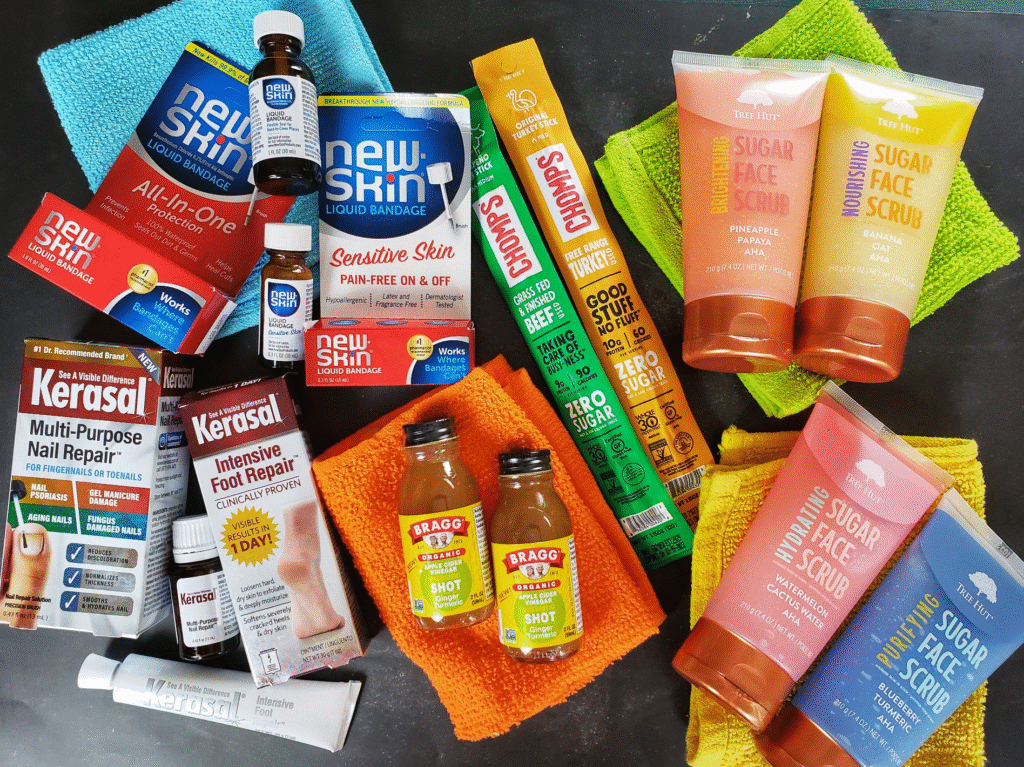
Subscription models have proven incredibly effective here; just look at the success of ButcherBox in the health-conscious food space. In the supplement world, brands like Apothatote and BPI Sports are carving out dedicated followings by targeting specific wellness goals.
🔧 Retention Tools Worth Exploring
- Kaching Subscriptions – Enables recurring purchases with flexible plans and customer self-service. (20% discount with code SSK20)
- Essent Loyalty Program Rewards – Helps drive repeat purchases with points, referrals, and VIP-style rewards.
With the global wellness supplement market projected to reach US$471 billion by 2032, there is ample room for new, focused brands.
Top 5 Trending Product Ideas for 2026:
- Collagen powder and peptides
- Mushroom coffee and tea blends
- Personalized gummy vitamins
- Greens powders (e.g., AG1 style)
- Sleep aid supplements (e.g., magnesium, L-theanine)
Product Opportunity Scorecard:
- Market Demand: High (The wellness supplement market is projected to reach US$471 billion by 2032).
- Profit Margin: High (Formulations are relatively inexpensive to produce, allowing for strong margins).
- Competition: High (A very crowded space, requiring strong branding and trust signals).
- Marketing Fit: Best for educational content, influencer marketing, and Google Ads.
- Logistics Complexity: Medium (Requires careful supplier vetting, adherence to regulations, and managing expiration dates).
Go-to-Market Playbook:
- Audience: Health-conscious consumers, fitness enthusiasts, people seeking solutions for specific ailments (e.g., stress, poor sleep).
- Model: Develop a private label product with a unique formulation to build a defensible brand.
- Marketing Angle: I recommend you build authority with blog posts and videos that explain the science behind your ingredients. Use customer testimonials and before-and-after stories to build trust.
3. Specialized Skincare & Makeup
Beauty is another massive market where specificity wins. Instead of launching a generic skincare line, tap into viral micro-trends. Shopify’s own data shows huge spikes in interest for niche products like “beef tallow for skin,” “facial peels,” and “lip stains.”

The most successful new brands focus on solving one problem exceptionally well. Glamnetic built an empire on a single niche—magnetic lashes—while Topicals found success by creating products for chronic skin conditions often overlooked by legacy brands.
The key is to find a specific need and offer a targeted, high-quality solution that gets people talking.
Top 5 Trending Product Ideas for 2026:
- LED light therapy masks
- Lip stains and oils
- “Skin cycling” product bundles (exfoliant, retinoid, moisturizer)
- Facial peels and at-home chemical exfoliants
- Press-on nails and magnetic eyelashes
Product Opportunity Scorecard:
- Market Demand: High (Evergreen demand, with viral trends on TikTok creating massive new search volume).
- Profit Margin: Very High (Low production costs and high perceived value).
- Competition: Very High (Requires a unique product angle and excellent branding to stand out).
- Marketing Fit: Perfect for visual platforms like TikTok and Instagram, where demos and tutorials thrive.
- Logistics Complexity: Low to Medium (Products are small and easy to ship, but formulation and sourcing can be complex).
Go-to-Market Playbook:
- Audience: Gen Z and millennial beauty enthusiasts, individuals with specific skin concerns.
- Model: Private label is the best route for control over quality and branding.
- Marketing Angle: Lean into user-generated content (UGC). Run campaigns encouraging customers to post their results. Create short-form videos showing the product in action and its immediate effects.
4. Fashionable Activewear & Athleisure
The line between workout clothes and everyday wear has completely blurred, creating a massive opportunity for athleisure brands. While giants like Gymshark and Alo Yoga dominate, there is still room for niche players.
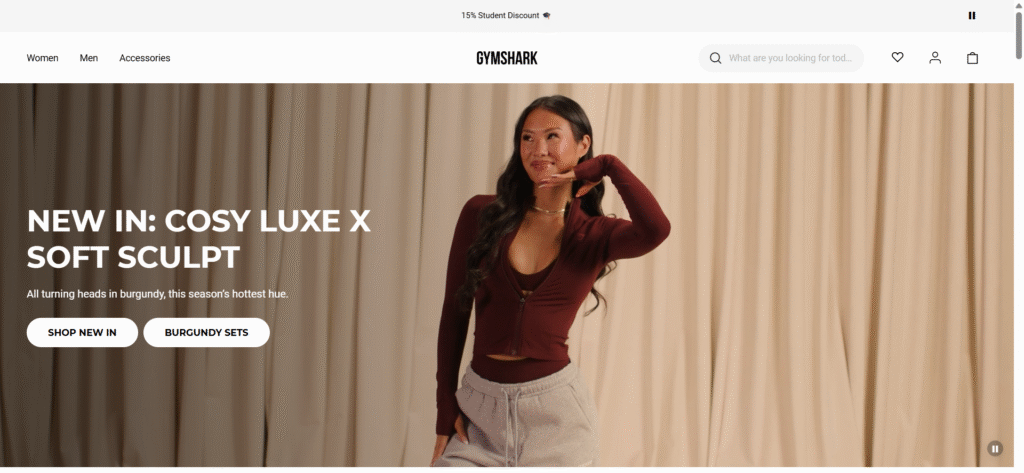
Cassey Ho, founder of Popflex, built a loyal following by creating activewear for her dedicated fitness community. The lesson is clear, and it’s one I repeat often: you don’t need to appeal to everyone.
“Focusing on a very niche community allowed us to make waves…” — Pete Maldonado, Chomps
Top 5 Trending Product Ideas for 2026:
- Matching activewear sets (leggings and sports bra)
- Oversized hoodies and sweatshirts
- Seamless leggings and biker shorts
- One-piece bodysuits and rompers
- Tennis skirts and dresses
Product Opportunity Scorecard:
- Market Demand: Very High (A consistently popular and growing category).
- Profit Margin: Medium to High (Depends heavily on manufacturing quality and brand positioning).
- Competition: Very High (Dominated by major players, so a niche is essential).
- Marketing Fit: Driven by community-building on Instagram, TikTok, and via influencer partnerships.
- Logistics Complexity: Medium (Requires managing sizes, colors, and returns).
Go-to-Market Playbook:
- Audience: A specific fitness or lifestyle community (e.g., yogis, rock climbers, runners, dancers).
- Model: Start with print-on-demand to test designs, then move to a private label manufacturer for higher quality.
- Marketing Angle: Build a brand around a specific lifestyle or activity. Sponsor local events, collaborate with fitness instructors, and build a community, not just a customer list.
5. Curated Pet Supplies
With over 65 million households in the US owning a dog, the pet industry is a massive and emotionally-driven market. The opportunity today is in premium, specialized goods that focus on health, convenience, and enrichment.
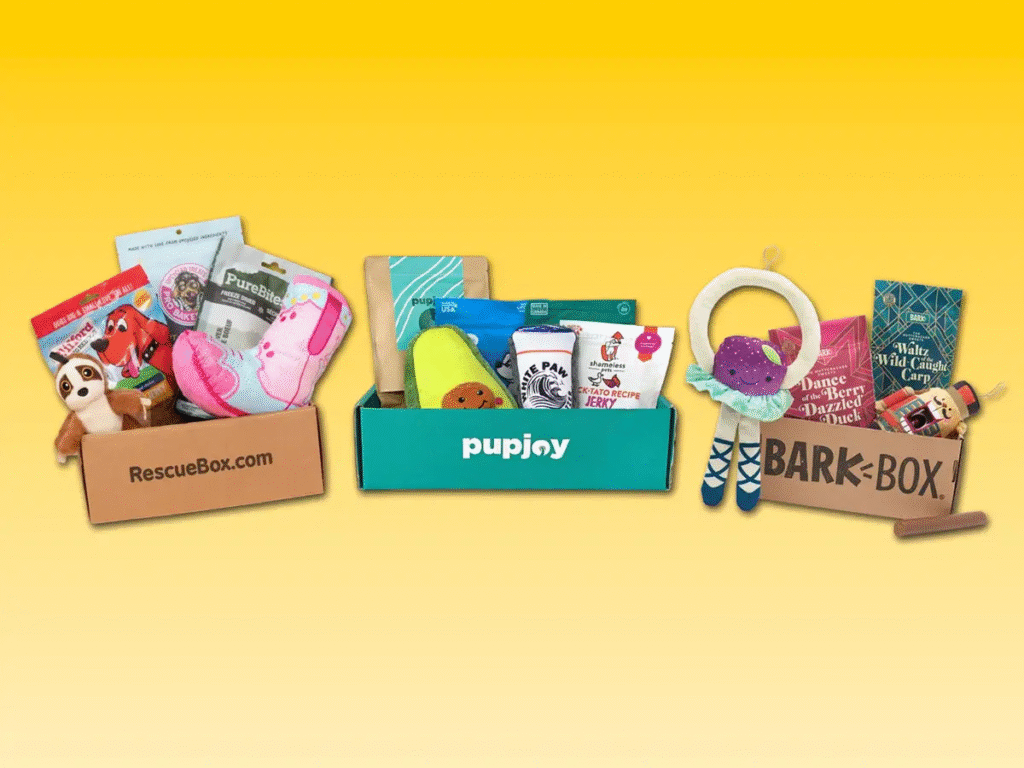
Think beyond basic leashes and bowls and consider eco-friendly pet beds, automatic feeding systems, or wellness supplements for pets, like those from Zesty Paws. Pet owners treat their companions like family and are willing to invest in products that improve their health, comfort, and happiness.
Top 5 Trending Product Ideas for 2026:
- Automatic pet feeders with timers
- GPS pet tracking collars
- Interactive treat-dispensing toys
- Calming pet beds and anti-anxiety blankets
- Portable water bottles for dogs
Product Opportunity Scorecard:
- Market Demand: High (Consistently strong demand with seasonal spikes around holidays).
- Profit Margin: Medium (Can be high for unique, branded products).
- Competition: High (Many sellers, so a niche focus – like products for a specific breed or activity – is smart).
- Marketing Fit: Excellent for Instagram, Facebook, and TikTok (cute pet content always wins).
- Logistics Complexity: Low to Medium (Dropshipping is a viable starting point for many pet products).
Go-to-Market Playbook:
- Audience: “Pet parents” who prioritize quality, health, and aesthetics for their animals.
- Model: Curate a dropshipping store focused on a specific pet niche (e.g., “gear for adventurous dogs” or “luxury cat furniture”).
- Marketing Angle: Center your marketing on user-generated content. Run photo contests for your customers’ pets using your products. Partner with pet influencers for authentic reviews.
6. Smart Home & Automation Devices
As technology becomes more accessible, consumers are increasingly looking to upgrade their homes with smart devices. This high-ticket category includes everything from robotic vacuums like the Eufy Clean X10 to smart lighting systems like the Philips Hue Starter Kit and advanced air purifiers like the Dyson TP09.
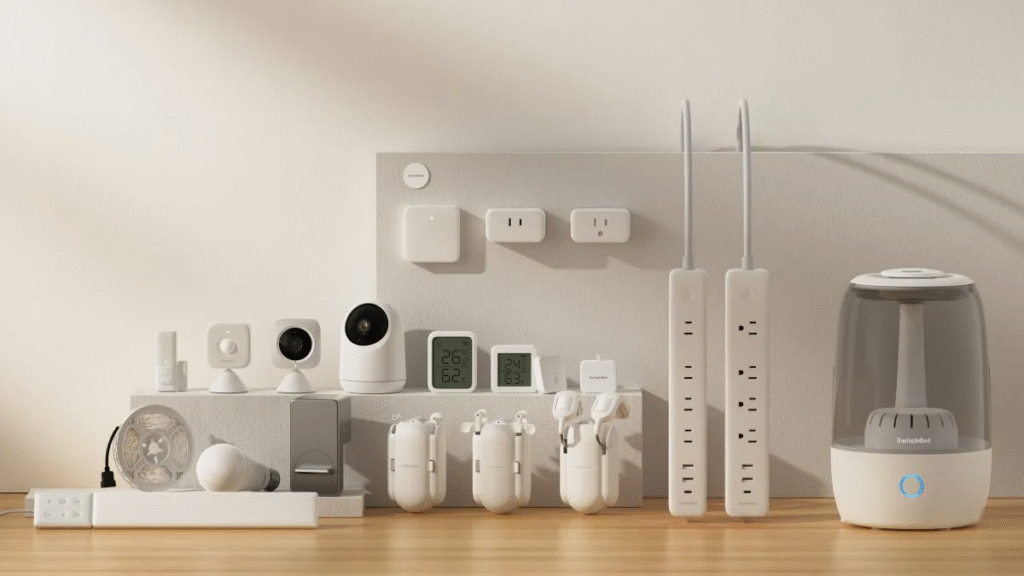
While you won’t be manufacturing these yourself, there’s a huge opportunity to build a curated store that helps consumers navigate this complex but exciting market.
Top 5 Trending Product Ideas for 2026:
- Robotic vacuum and mop combos
- Smart plugs and power strips
- Video doorbells (e.g., Ring, Google Nest)
- Smart lighting starter kits (color-changing bulbs)
- Digital photo frames
Product Opportunity Scorecard:
- Market Demand: High (Strong and growing interest as the technology becomes mainstream).
- Profit Margin: Low to Medium (As a reseller, margins are thinner, but high prices mean significant revenue per sale).
- Competition: Medium (Fewer niche players, but you compete with big-box retailers).
- Marketing Fit: Best for SEO, Google Ads, and in-depth YouTube reviews or blog comparisons.
- Logistics Complexity: Medium (Higher-value items require secure shipping and handling potential returns or technical support questions).
Go-to-Market Playbook:
- Audience: Tech-savvy homeowners, new buyers looking to modernize their space.
- Model: A curated retail or dropshipping model is the most practical entry point.
- Marketing Angle: Become the expert guide. Create content that explains how to build a smart home, compares top products, and offers “starter kits” that bundle compatible devices.
7. Remote Work & Home Office Gear
The shift to remote work has created a permanent demand for products that make home offices more comfortable, professional, and productive. This goes beyond basic stationery. The real opportunity is in high-quality gear like ergonomic chairs, adjustable standing desks, and premium noise-canceling headphones.

This category is a perfect example of solving a clear and persistent problem, a strategy recommended by Gloria Hwang, founder of Thousand helmets.
The pain points of the modern remote worker—discomfort, distraction, and an unprofessional setup—are all opportunities for product-based solutions.
Top 5 Trending Product Ideas for 2026:
- Adjustable standing desks
- Ergonomic office chairs
- High-quality webcams and ring lights
- Noise-canceling headphones
- Desk organization accessories (monitor stands, cable managers)
Product Opportunity Scorecard:
- Market Demand: High (Stable, ongoing demand from remote workers and freelancers).
- Profit Margin: Medium to High (Good margins on specialized, high-quality equipment).
- Competition: Medium (Many sellers, but opportunities to curate unique bundles or focus on a specific aesthetic).
- Marketing Fit: Strong for SEO (“best standing desk for small spaces”), affiliate marketing with tech reviewers, and Pinterest.
- Logistics Complexity: Medium to High (Many items are large, heavy, and expensive to ship).
Go-to-Market Playbook:
- Audience: Remote employees, freelancers, entrepreneurs, and anyone building a home office.
- Model: Dropship or stock a curated selection of products from various high-quality brands.
- Marketing Angle: Sell the outcome, not the product. Create content around “How to Design the Ultimate Productive Home Office” or “The 5 Items You Need to Eliminate Back Pain.” Offer bundles that solve a complete problem.
8. Personalized & Handmade Goods
In a world of mass-produced goods, consumers crave unique items that tell a story. This has fueled the demand for both handmade products and personalized gifts. Brands like East Fork Pottery and Staghead Designs have built passionate followings around their craftsmanship and unique designs.
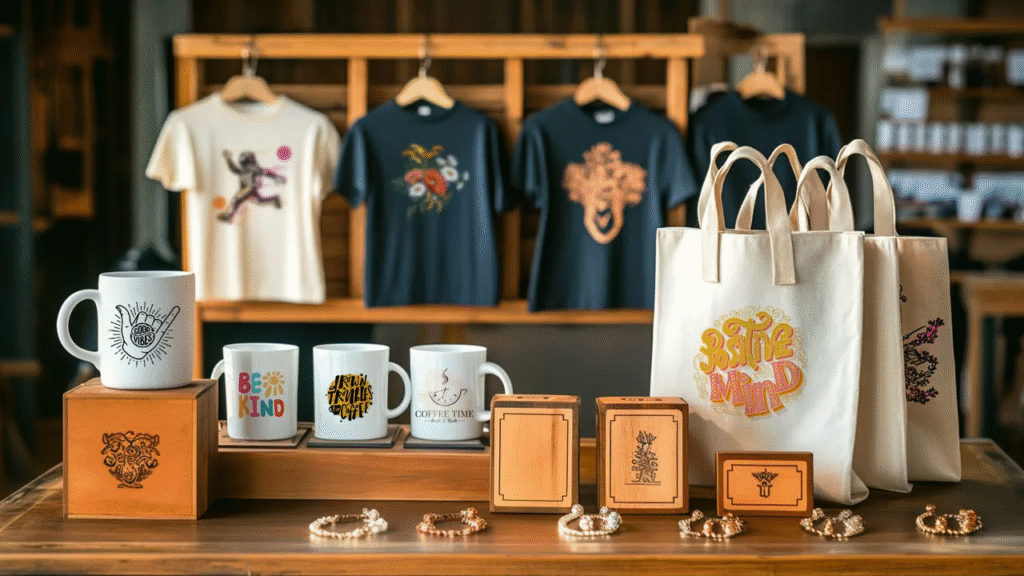
For those who aren’t artisans, print-on-demand (POD), in my opinion, offers a powerful way to tap into this trend. You can sell customizable apparel, mugs, phone cases, and art prints with zero inventory risk.
The key is to create designs that appeal to a passionate niche, turning a simple product into a statement of identity for the buyer.
Top 5 Trending Product Ideas for 2026:
- Custom phone cases with photos or names (Print-on-demand)
- Engraved jewelry (necklaces, bracelets)
- Personalized pet portraits on canvases or mugs (Print-on-demand)
- Custom star map posters
- Handmade candles with unique scent profiles
Product Opportunity Scorecard:
- Market Demand: High (Especially around holidays like Christmas, Valentine’s Day, and Mother’s Day).
- Profit Margin: Medium (Handmade can be high; POD is typically lower but has no upfront cost).
- Competition: High (Etsy is a major competitor, so a strong brand is crucial).
- Marketing Fit: Highly visual. Perfect for Etsy, Pinterest, and Instagram.
- Logistics Complexity: Varies (Handmade requires production and shipping; POD is fully automated).
Go-to-Market Playbook:
- Audience: Gift shoppers, people celebrating major life events (weddings, new babies), and consumers who value artistry.
- Model: Choose your path: sell your own handmade creations or launch a print-on-demand store.
- Marketing Angle: Showcase the process and the person behind the product. For POD, focus on unique designs for passionate niches (e.g., t-shirts for book lovers or mugs for cat owners).
9. Specialized Kitchen & Drinkware
The kitchen is the heart of the home, and consumers are constantly looking for gadgets and accessories to elevate their culinary experience.
This category is home to some of the best selling products on Shopify and often thrives on viral trends, as seen with the Stanley insulated tumbler phenomenon, which drove the company’s revenue from $73 million to $750 million in just a few years.
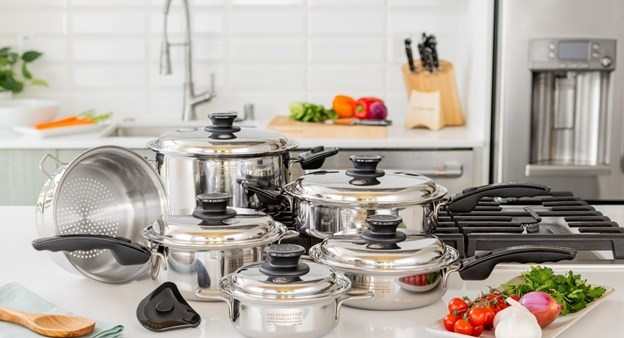
From what I’ve seen, beyond viral hits, there are opportunities in high-ticket niches, like the specialized outdoor grills sold by Bola Grills, which appeal to serious hobbyist chefs.
Whether you’re chasing trends or serving a dedicated niche, the kitchen category offers a wide range of opportunities to build a successful brand.
Top 5 Trending Product Ideas for 2026:
- Insulated tumblers with handles and straws
- Portable, personal-sized blenders
- Air fryers and air fryer accessories
- Aesthetic coffee makers (e.g., pour-over sets, espresso machines)
- Bento-style lunch boxes for meal prepping
Product Opportunity Scorecard:
- Market Demand: High (Driven by social media trends and the evergreen need for kitchen products).
- Profit Margin: Medium (Good margins are possible, especially for unique or branded items).
- Competition: High (Many retailers, so focusing on a specific aesthetic or function is key).
- Marketing Fit: Ideal for TikTok (recipe videos, “oddly satisfying” gadget demos) and Pinterest.
- Logistics Complexity: Low to Medium (Most items are easy to dropship or stock).
Go-to-Market Playbook:
- Audience: Home cooks, coffee connoisseurs, health-conscious foodies, and trend-followers.
- Model: Start by dropshipping trendy items to validate the market, then consider private labeling a unique product.
- Marketing Angle: Create content that inspires. Develop recipes, “how-to” videos, and gift guides. Partner with food bloggers and influencers to showcase your products in their kitchens.
10. Hobbyist & Niche Enthusiast Products
In my opinion, selling to a passionate hobbyist is one of the smartest things you can do in eCommerce. These customers are knowledgeable, engaged, and willing to spend money on high-quality gear for their passions.

Think of selling specialized yarn to knitters (Gist Yarn), high-performance parts to cycling enthusiasts, or rugged e-bikes to hunters, a niche that helped eBike Generation thrive.
As founder John Murphy noted, niching down makes marketing incredibly effective because you know exactly where your customers are and what they care about. From dashboard cameras for car enthusiasts to craft kits for DIYers, serving a dedicated hobby is a proven path to success.
Top 5 Trending Product Ideas for 2026:
- Electric bikes (e-bikes) and conversion kits
- DIY craft kits (e.g., pottery, candle making, knitting)
- High-end gaming accessories (mechanical keyboards, gaming mice)
- Dashboard cameras (dash cams)
- Sports trading cards and collectibles
Product Opportunity Scorecard:
- Market Demand: Medium (Smaller audience size, but extremely high purchase intent).
- Profit Margin: High (Hobbyists pay a premium for quality and expertise).
- Competition: Low to Medium (Often overlooked by big retailers, leaving room for focused experts).
- Marketing Fit: Best for community forums (like Reddit), targeted Facebook groups, SEO, and YouTube.
- Logistics Complexity: Medium (Depends on the hobby; can range from small craft supplies to large equipment).
Go-to-Market Playbook:
- Audience: A clearly defined group of enthusiasts (e.g., fly fishers, miniature painters, competitive board gamers, drone racers).
- Model: Become a trusted reseller of the best brands or create your own private-label products to fill a gap in the market.
- Marketing Angle: Become an authentic voice in the community. Sponsor niche podcasts, create expert-level tutorials, and engage in relevant online forums without being spammy. Your expertise is your best marketing tool.
You’ve seen the data and the top product ideas. Now, picture them in your own store. With Shopify’s drag-and-drop builder, you can set up a professional-looking storefront in an afternoon.
👉 See what your brand could look like with a free trial.
Beyond the Box: 5 High-Profit Digital Products & Services to Sell
A successful Shopify store doesn’t have to ship a single physical product. The platform’s versatility allows you to sell expertise, access, and digital goods – often with significantly higher profit margins than physical items. Expanding your idea of “what to sell” can unlock powerful, scalable business models that require no inventory and no shipping.
Here are five proven ideas for selling services and digital products on Shopify.
1. Digital Products: Guides, Patterns, and Presets
Digital products are the ultimate high-margin asset. You create them once, and you can sell them an infinite number of times without any additional production cost. This category includes e-books, digital art, music, workout plans, and photo editing presets.
A perfect example is Thread Theory, a Shopify store that sells downloadable sewing patterns. Customers purchase a PDF file, receive it instantly, and can print it at home.
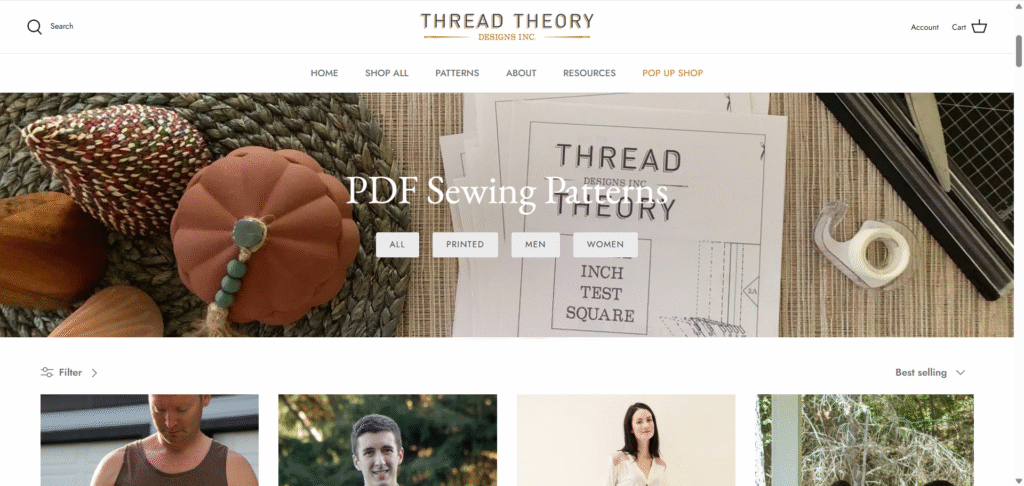
The business has no inventory to manage and no packages to ship, making it an incredibly efficient and profitable model. Using Shopify apps, you can securely host and automatically deliver these files to customers right after they check out.
2. Online Classes, Workshops & Consultations
If you have a valuable skill or deep expertise, you can sell it as a service. Shopify makes it easy to book and sell your time, whether it’s for one-on-one coaching, group workshops, or professional consultations. You can be a business coach, a personal trainer, a designer, or a wellness expert.
For instance, the swimwear brand Kaikini uses its Shopify store not just to sell bikinis, but also to offer one-on-one “virtual swimwear fittings” and “business mentoring” sessions.

This is a brilliant way to add a high-value service revenue stream to a traditional product business. By integrating calendar apps, you can manage your schedule and take bookings directly from your storefront.
3. Memberships & Community Access
It’s worth remembering that recurring revenue is the holy grail of business, and memberships are the key to unlocking it. Instead of a one-time sale, you offer ongoing value in exchange for a monthly or annual fee. This could be access to an exclusive community, a library of premium content, or special member-only perks.
This model is incredibly flexible. The Buffalo Botanical Gardens uses it to sell annual memberships that grant free admission and other benefits.

Meanwhile, the audio player brand Yoto offers a “Yoto Club” membership that delivers new story cards to subscribers each month, building a loyal and engaged community. Shopify’s subscription apps automate the entire recurring billing process.
4. Event Tickets for Virtual or In-Person Experiences
Your Shopify store can function as your own personal box office. You can sell tickets to a wide range of experiences, from online webinars and workshops to in-person concerts, festivals, and community meetups. This is a powerful way to engage your audience and build a brand around shared experiences.
Music company Undertow sells tickets to intimate, “in-your-living-room” concerts across the country. On the virtual side, Run Across America sells entry to nationwide virtual running challenges, creating a sense of community for thousands of participants.
Using Shopify to manage ticket sales keeps all your revenue and customer data in one central, easy-to-manage location.
5. Donations and Charitable Giving
For non-profits and social enterprises, a Shopify store can be a powerful fundraising engine. You can collect one-time or recurring donations, sell merchandise to support a cause, or even combine both. This approach allows you to build a professional, trustworthy online presence that inspires supporters to contribute.
A moving example is An Act of Dog, a non-profit that funds animal rescue missions. They use their Shopify store to clearly explain their mission and collect donations that directly fund their life-saving work.

By leveraging Shopify’s robust platform and specialized donation apps, organizations can create a seamless and secure giving experience for their supporters.
The Final Step: How to Launch Your Shopify Store in 48 Hours
You started with a simple question: “What should I sell?” Now, you have much more than a list of ideas. You have a data-driven framework for evaluating any product, a clear understanding of the most promising trends, and a mini-playbook to guide your marketing from day one. The biggest hurdle – choosing what to sell – is now a clear, manageable decision.
💡However, if you still want to explore outside of the categories we’ve covered, mastering how to find products to sell on Shopify on your own will ensure you never run out of profitable ideas.
The only thing left to do is start.
For many aspiring entrepreneurs, this is where a new fear creeps in: the technical setup. But launching a professional online store is no longer a complex, month-long project.
With Shopify’s intuitive drag-and-drop templates and step-by-step guidance, you can build a beautiful, secure, and fully functional store in a single weekend. You don’t need to be a designer or a developer; you just need your product idea.
You have the data, the ideas, and the framework. Don’t let analysis paralysis win.
What I’ve learned is that the most successful entrepreneurs are the ones who move from research to action. The perfect time to start building is right now, while the inspiration is fresh and your plan is clear.
FAQs About What Can I Sell On Shopify
What are best selling items on Shopify?
Based on sales data and market trends, the most consistently popular categories on Shopify include apparel (especially activewear and athleisure), health and wellness supplements, skincare and makeup, pet supplies, and home decor & kitchen gadgets. Niche products within these broad categories often perform best.
What can you sell on Shopify?
You can sell almost anything. Shopify is a versatile platform that supports physical products, digital downloads, services, memberships, event tickets, and even donations. However, there are some regulated or prohibited items outlined in Shopify’s official Acceptable Use Policy that you should review before getting started.
How do I find a reliable dropshipping supplier?
A great place to start is the Shopify App Store, which features integrated supplier apps like FFOrder, Spocket and Syncee that vet their partners. When evaluating any potential supplier, look for consistently positive reviews, clear communication policies, and realistic shipping times to ensure a high-quality experience for your customers.
Is it profitable to sell on Shopify in 2026?
Absolutely. Selling on Shopify remains highly profitable for millions of entrepreneurs. One thing that’s easy to miss is that your success isn’t determined by the platform itself, but by your strategy. Profitability hinges on choosing the right product when considering what to sell on Shopify, identifying a clear target audience, and executing a smart marketing plan to reach them.