Let’s get right to it: can you actually make money on Shopify? The answer is a resounding yes. In 2023 alone, independent entrepreneurs and brands on the platform generated a staggering $235.9 billion in sales. From my experience, the opportunity is very real.
But knowing it’s possible isn’t a business plan. You need to know which path is right for you, your budget, and your goals. This is where most guides fall short—they give you a list of ideas but no framework for choosing the best one.
This guide is different. We’ll break down the most profitable business models and give you a clear, four-step plan for how to make money on Shopify.
The first step is exploring the platform yourself. As you read through these proven methods, you can follow along with a free Shopify trial to see which tools fit your idea best.
First, Which Shopify Business Model is Right for You?
The best way to make money on Shopify depends entirely on your skills, startup budget, and how much time you can invest. A strategy that works for a graphic designer with no startup cash will be different from one for an artisan with a workshop full of products.
To find your perfect fit, start here. This table breaks down the most popular models so you can quickly compare the pros and cons of each.
| Business Model | Best For | Upfront Cost | Profit Margin | Time to First Sale |
|---|---|---|---|---|
| Print-on-Demand | Designers & Artists | Low | Low-Medium | Fast |
| Dropshipping | Curators & Marketers | Low | Low | Fast |
| Handmade Goods | Artisans & Crafters | Medium | High | Slow |
| Digital Products | Experts & Creators | Low | Very High | Medium |
| Private-Label Brand | Entrepreneurs | High | High | Slow |
Use this chart to identify the path that aligns with your resources. Once you have a model in mind, the next section will give you the step-by-step playbook for turning that idea into a real business.
💸 9 Proven Ways How to Make Money on Shopify in 2025
Shopify is more than a platform; it’s an ecosystem of opportunity. Whether you’re a creator, curator, developer, or entrepreneur, there’s a path to profitability.
Below are nine distinct, proven models, each with an actionable playbook and a real-world example to guide you.
1. The Creator Model: Sell Print-on-Demand Products
Best for: Artists, designers, and anyone with a creative spark.
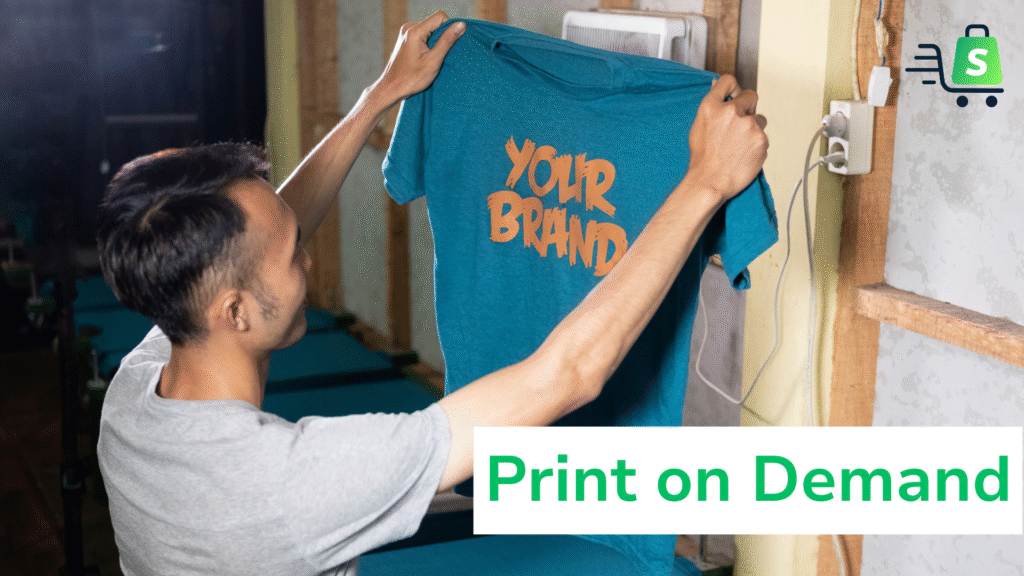
Print-on-demand (POD) lets you sell custom-designed products like t-shirts and posters without buying inventory. You create the designs, and a partner company handles all printing and shipping after a customer places an order, making it a very low-risk way to start a brand.
Your 3-Step Mini-Playbook:
- Create a Niche Design: Focus on a passionate community, whether it’s for rock climbers, book lovers, or urban gardeners.
- Choose a POD Partner: Integrate a trusted service like Printful or Printify into your Shopify store to handle fulfillment.
- Market Your Brand: Use visual platforms like Instagram and Pinterest to showcase your designs and build a community.
Real-World Example: Jolie Noire is a powerful apparel brand that uses print-on-demand to sell its unique designs celebrating Black culture, allowing them to scale without managing physical stock.
2. The Curator Model: Start a Dropshipping Business
Best for: Marketers and tastemakers with a great eye for products.
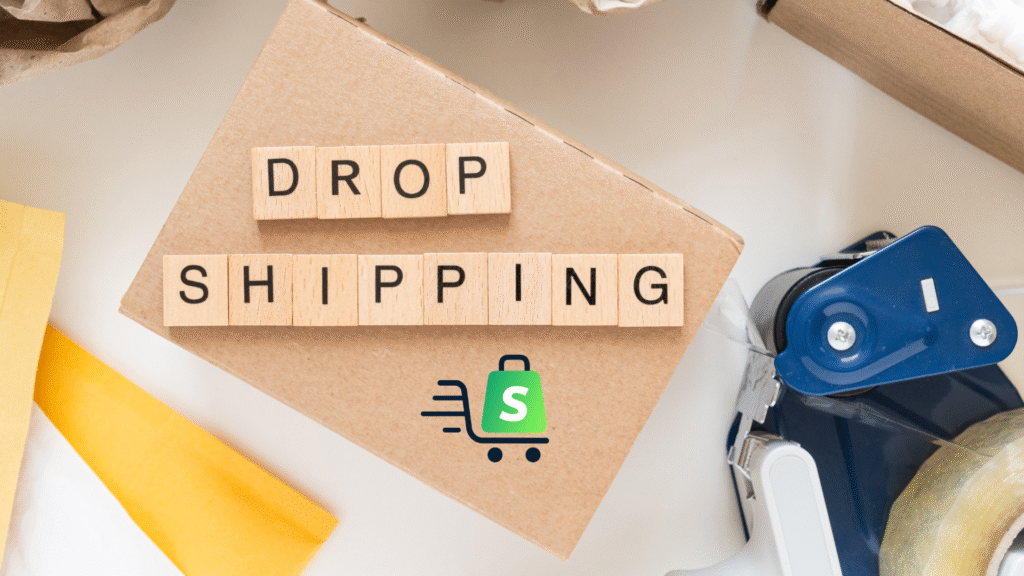
Dropshipping allows you to act as a curator, selling products from a third-party supplier without managing inventory. Your role is to find winning products and build a strong brand. When an order is placed, you forward it to your supplier, who ships directly to the customer.
Your 3-Step Mini-Playbook:
- Find Your Niche: Focus on a specific audience, like “kitchen gadgets for small apartments” or “eco-friendly dog toys.”
- Vet Reliable Suppliers: Use tools like Shopify Collective or apps such as Syncee to find pre-vetted suppliers with quality products.
- Build a Strong Brand: Your value lies in marketing and trust. Invest in a professional store and top-tier customer support.
Real-World Example: Meowingtons has built an empire by focusing exclusively on products for cat lovers, proving the power of niching down in the dropshipping model.
3. The Artisan & Brand Builder Model: Sell Your Own Physical Products
Best for: Crafters, collectors, and entrepreneurs who want control over their inventory.
This model is for anyone who makes, finds, or brands their own physical products. It requires more hands-on work but offers the highest potential for strong branding and profit margins. It includes selling handmade goods, vintage finds, or creating your own private-label brand.
Your 3-Step Mini-Playbook:
- Source or Create Your Product: Perfect your craft, curate unique vintage items, or find a manufacturer for your private-label idea.
- Master Product Photography: My advice is to remember that since customers can’t touch the item, your photos must be professional, clear, and compelling.
- Tell Your Brand Story: Create an “About Us” page that connects with customers and explains what makes your products special.
Real-World Example: Fitzy, a store selling beautiful handmade leather goods, excels at this. Their site combines stunning photography with the personal story of the artisan, creating a premium brand feel.
4. The Expert Model: Sell Digital Products & Online Courses
Best for: Teachers, coaches, and creators with specialized knowledge.
Package your expertise into digital assets and sell them an infinite number of times with almost no overhead. The profit margins are incredibly high, and the business can be largely automated. Popular formats include ebooks, templates, and online courses.
Your 3-Step Mini-Playbook:
- Package Your Knowledge: Turn your expertise into a high-value downloadable product (e.g., a guide, presets, or video course).
- Use an App for Delivery: Install a Shopify app like Digital Downloads to automatically send files to customers after purchase.
- Build Authority with Content: Use a blog or YouTube channel to share free tips, which builds trust and drives sales for your premium products.
Real-World Example: Gauge Girl Training has built a successful business by selling digital meal plans and fitness guides, turning their expertise into a scalable income stream.
5. The Service Provider Model: Sell Your Professional Skills to Merchants
Best for: Photographers, writers, designers, and marketers.
The Shopify ecosystem is a booming marketplace where you can sell your professional skills directly to other entrepreneurs. This B2B model is a fantastic way to generate reliable income by helping new store owners succeed.
Your 3-Step Mini-Playbook:
- Define Your Service Package: Create clear service offerings, such as a “New Store Logo Package” or “Product Description Writing Service.”
- Build a Portfolio Site: Use Shopify to create a simple, professional website showcasing your best work and client testimonials.
- Join the Shopify Partner Program: This gives you access to resources, training, and a formal way to build stores for clients.
Real-World Example: Many freelance product photographers use a simple Shopify store not to sell goods, but to sell their session packages and allow new clients to book their services directly.
6. The Influencer Model: Become a Shopify Affiliate
Best for: Bloggers, YouTubers, and social media influencers.
If you’ve built an audience that trusts your recommendations, you can earn significant income through affiliate marketing. The Shopify Affiliate Program is a top choice, paying a commission for every new merchant you refer.
Your 3-Step Mini-Playbook:
- Build a Targeted Audience: Focus on creating valuable content for a specific niche (e.g., small business owners, artists, fashion entrepreneurs).
- Join the Shopify Affiliate Program: Apply to the program and get your unique referral link.
- Create Authentic, Helpful Content: Don’t just promote Shopify. I always suggest you create tutorials, case studies, and comparison guides that genuinely help your audience.
Real-World Example: Many popular business-focused YouTube channels make money by creating in-depth tutorials on how to set up a Shopify store, using their affiliate link in the description.
7. The Developer Model: Design Shopify Themes
Best for: A technical audience of web designers and developers.
For those with coding and design skills, creating and selling themes in the Shopify Theme Store is a highly scalable business. A single popular theme can generate significant passive income over many years.
Your 3-Step Mini-Playbook:
- Learn Shopify’s ‘Liquid’: Master Shopify’s open-source templating language, along with HTML, CSS, and JavaScript.
- Join the Partner Program: This is your gateway to the tools and documentation needed to build and submit themes.
- Build and Submit Your Theme: Design a beautiful, functional theme that meets Shopify’s strict quality standards and submit it for review.
Real-World Example: Themes like Local and Zest, featured in Shopify’s own Theme Store, are built by independent developers and agencies and sold to thousands of merchants.
8. The Engineer Model: Develop Shopify Apps
Best for: A technical audience of software developers and engineers.
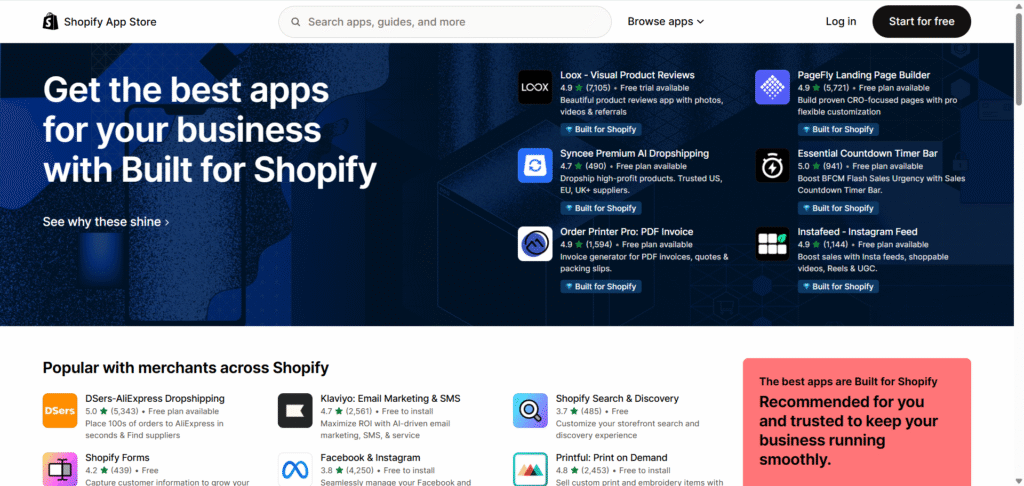
The Shopify App Store is the engine that powers millions of stores. If you can identify and solve a common problem for merchants—whether in marketing, shipping, or inventory—you can build a successful software business.
Your 3-Step Mini-Playbook:
- Identify a Merchant Pain Point: Spend time in merchant forums to find a common problem that doesn’t have a great solution.
- Build the App: Use Shopify’s APIs and developer tools to create your application.
- List on the App Store: Submit your app for review and market it to the millions of merchants on the platform.
Real-World Example: Recharge and Yotpo are two powerhouse apps that became multi-million dollar companies by solving critical needs for subscriptions and customer reviews, respectively.
9. The Retailer Model: Use Shopify POS for In-Person Sales
Best for: Existing store owners or anyone who wants to sell at physical locations.
Making money with Shopify isn’t just an online game. Shopify POS (Point of Sale) is a system that lets you sell products and accept payments in person at markets, pop-up shops, and retail stores.
Your 3-Step Mini-Playbook:
- Set Up Products in Shopify: Add all the products you intend to sell into your main Shopify dashboard.
- Get the POS App and Card Reader: Download the Shopify POS app on a smartphone or tablet and get a card reader to accept payments.
- Sell at Your First Event: Use the system at your next market or pop-up. All sales and inventory will sync automatically with your online store.
Real-World Example: A local coffee roaster who sells their beans online can use Shopify POS at a weekend farmers’ market to process payments and track inventory seamlessly, all from a single platform.
If you’re a visual learner, this explainer video on how to make money on Shopify breaks down the entire 4-step process and all 9 money-making ideas.
From a Side Hustle to Real Income: A Realistic Look at Your Earning Potential
It’s the most common question every new entrepreneur asks when learning how to make money on Shopify: “How much can I really make?” While there are no guarantees, you don’t need a massive audience or a viral product to build a profitable business.
Consider a well-documented case study of a Shopify merchant selling digital products. By openly sharing their analytics, they proved it was possible to consistently make over $1,000 per month with an average of only 40-50 highly targeted visitors per day.
This is a powerful lesson: a small amount of the right traffic to a high-margin product is far more valuable than thousands of casual browsers.

Your earning potential is directly tied to the business model you choose. Let’s break down what’s realistic for a few of the most popular options:
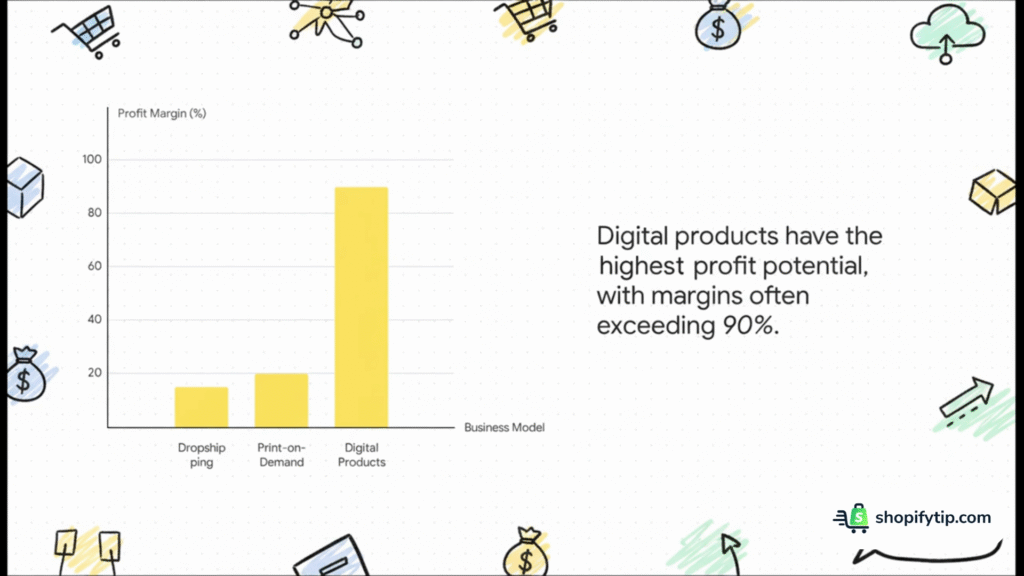
- Print-on-Demand: Profit margins are typically in the 15-25% range. If your average product (like a t-shirt) earns you $10 in profit, you would need to sell about 50 items per month to hit the $500/month mark. This is a highly achievable goal for a focused side hustle.
- Dropshipping: Margins here are often lower, sometimes between 10-20%, because you’re competing on price for existing products. The path to significant income relies on higher sales volume. You might only make 5-15 per sale, but the goal is to sell hundreds of products by mastering paid advertising and trend-spotting.
- Digital Products: This model has the highest profit potential, with margins often exceeding 90%. As the case study shows, you don’t need huge volume. Selling just ten online courses at $100 each generates $1,000 in revenue, with almost all of it being profit.
Ultimately, your income isn’t just about the model—it’s about your ability to connect a great product with the right audience.
Feeling inspired by one of these models? The best way to see if it’s right for you is to build it. Start bringing your idea to life on Shopify today—no credit card required for your free trial.
Expert Corner: Key Advice from Successful Shopify Founders
Theory is helpful, but wisdom from those who have already walked the path is priceless. We’ve gathered key insights from successful Shopify entrepreneurs who started exactly where you are now. Here is their hard-won advice for beginners.
On Starting: Don’t Wait for Perfection
One of the biggest hurdles for new entrepreneurs is the fear of not being ready. It’s easy to get stuck tweaking your website or second-guessing your products. Genna Tatu, founder of Crochet by Genna, advises pushing past that fear and simply beginning.
“Don’t wait until you think your product is perfect. Just list it. You can make adjustments and improvements as you go, but you can’t learn anything until you’re actually in the market.”
On Finding Your First Customers: Leverage Your Community
Wondering where your first sales will come from? The answer is usually closer than you think. Before spending a dollar on ads, look to the community you already have. Jayanti Gupta, founder of the silk sari brand Parinita, found her initial traction from her personal network.
“Our first three or four sales came from friends and colleagues. They were the ones who gave us our initial feedback and helped build our confidence.”
On Product Ideas: Listen to Your Audience
As you grow, your best ideas for new products will come directly from your customers. Building a strong feedback loop is a superpower for any small business. Lindzi Shanks, co-founder of XO Marshmallow, built her entire product line by paying close attention to what her community was asking for.
“Every new product we’ve ever launched came from listening to our audience. They told us what flavors they wanted and what they wished we sold. Your customers will give you your roadmap if you just listen.”
Your 4-Step Action Plan to Your First Sale
Knowledge is the first step, but action is what generates income. If you are serious about learning how to make money on Shopify, you need a plan. All the successful brands you’ve seen started with a simple decision to begin. Here is your straightforward, four-step plan to go from idea to your first sale.
🎯Step 1: Choose Your Business Model & Niche
Before you do anything else, commit to a path. Refer back to the comparison table and choose the single business model that best fits your budget, skills, and goals. Don’t get stuck in analysis paralysis. Pick the one that excites you most and move on to the next step. Keep in mind that a focused plan is always better than a perfect-but-unexecuted idea.
🏪Step 2: Build a Trustworthy Store in 60 Minutes
You don’t need a perfect website to launch, but you do need a trustworthy one. Set a timer for one hour and focus only on the essentials:
- Choose a clean, simple theme: Shopify offers excellent free themes that look professional on both desktop and mobile.
- Write clear product descriptions: Explain what your product is and why someone should want it. Use high-quality photos.
- Create an “About Us” page: Tell your story. People connect with people, and a simple background on you or your brand builds instant credibility.
📣Step 3: Launch with a Simple Marketing Push
Your first customers are often closer than you think. Many successful store owners, like Jayanti Gupta of Parinita, got their first sales from friends and colleagues. Don’t be shy—share your new store with your personal network.
Next, pick one social media channel where your target audience spends their time (like Instagram, TikTok, or Pinterest) and focus all your energy there. Post consistently, engage with others, and learn that single platform inside and out.
⚡Step 4: Turn Your Plan into Action
You have the knowledge and the roadmap. The only thing missing is the platform to build on. It’s time to stop researching and start building.
You have the roadmap. Now it’s time to take action. Click here to launch your Shopify store with a free trial and get your first month for only $1.
How to Make Money on Shopify: Frequently Asked Questions
Is Shopify profitable for beginners?
Yes, absolutely. Shopify is designed for beginners, and models like print-on-demand and dropshipping are particularly profitable because they don’t require you to buy expensive inventory upfront.
This significantly lowers the financial risk and allows you to start making a profit much faster than a traditional retail business.
How much does it cost to start on Shopify?
Your primary cost is the Shopify platform itself, with the basic plan typically starting around $25 per month after your free trial.
The great news is that for many of the business models we’ve discussed—like POD, dropshipping, and selling digital products—your startup costs beyond that are minimal. You won’t need to spend thousands on inventory, making it an affordable way to launch a business.
How quickly can you make money on Shopify?
I know you’re eager to see results, and while there’s no magic timeline, it’s realistic to aim for your first sale within 30 to 60 days of launching.
Success doesn’t happen overnight, but by following a clear action plan like the one above, you can steadily build momentum and start generating income without unnecessary delays. The key is consistent effort in marketing and engaging with your first customers.