Is dropshipping still a profitable business model? It’s the question every aspiring entrepreneur asks. While a quick search will show you endless lists of “successful” stores, they rarely tell you why they succeed, leaving you with inspiration but no actual playbook.
This is not another one of those lists.
We’ve dissected the data and strategies behind 20 of the most successful Shopify dropshipping store examples to give you a reverse-engineered look at what works.
We’ll go beyond screenshots to analyze the core of their success, grouping them by their stage of growth—from scrappy Niche Masters to established Brand Builders and even industry-disrupting Giants.
The one thing all these successful brands have in common is a powerful platform. As we analyze these examples, you can start exploring the same tools they use with a free trial of Shopify.
What Separates a Winning Store from a Failure? (A 3-Part Success Framework)
Success in dropshipping is never an accident. While it might seem like some stores pop up overnight, the ones with lasting power are built on a strategic foundation. To understand how they do it, we’ll analyze every example through a simple yet powerful 3-part framework.
This lens reveals that winning stores aren’t just selling products; they are mastering three critical business areas simultaneously.
If you’d rather see this framework explained visually, I’ve created an explainer video.
The Core Brand
This is the heart of the business—its identity. The Core Brand answers the questions: Who are we for? and Why should they care? It’s built from a deep understanding of a specific audience. This includes smart niche selection, a unique value proposition that sets the store apart from competitors, and a cohesive visual identity that speaks directly to its target customers.
The Conversion Engine
This is the digital storefront itself, meticulously designed to turn visitors into customers. A powerful Conversion Engine includes a professional website design, a seamless user experience (CX), and persuasive product pages.
Most importantly, it’s loaded with trust signals—customer reviews, security badges, and clear policies—that make shoppers feel confident hitting the “buy” button.
Often, this is achieved through a combination of a great theme and specific Shopify apps. If you ever wonder exactly what theme a store is using to get its look or what apps are powering its features, you can find out with our Shopify Theme & App Detector tool.
The Traffic Machine
This is how the store gets discovered. The most successful dropshippers don’t try to be everywhere at once; they build a powerful Traffic Machine by mastering one or two key marketing channels that align with their brand. Whether it’s creating viral content for TikTok, curating an aesthetic on Pinterest, or leveraging targeted Facebook ads, this is the engine that drives qualified buyers to their well-oiled conversion site.
At a Glance: 20 Successful Shopify Dropshipping Stores by the Numbers
This table provides a bird’s-eye view of our 20 examples of Shopify dropshipping stores. We’ve organized them into our three strategic tiers to give you a clear picture of their growth trajectory. You’ll see scrappy Niche & Trend Masters capitalizing on specific audiences, established Brand Builders cultivating loyalty, and visionary Industry Shapers changing the game entirely.
While not all revenue data is public, we’ve included estimates from industry analyses by sources like Similarweb, Semrush, Statista, company press releases, and reputable media (e.g., TechCrunch, Business of Fashion) to provide a directional sense of scale.
Pay attention to the “Key Strategy” column—it’s a snapshot of the primary lever each store pulls to win. Use this as your roadmap for the detailed playbooks that follow.
| Store Name | Niche | Est. Monthly Traffic / Engagement | Est. Annual Revenue | Key Strategy |
|---|---|---|---|---|
| Tier 1: Niche & Trend Masters | ||||
| BioLite | Outdoor & Off-Grid Energy | ~150K visits | ~$39.1M | Mission-Driven Product Innovation |
| Pet Clever | Pet Supplies | ~6.1K sessions | ~$0.2M (≈$17K/month) | Problem-Solving for Niche Audience |
| Pillow Slides | Viral Product | ~800K sessions | ~$93M | Viral TikTok Marketing |
| Fresh Juice Blender | Kitchen Gadget | ~4.2K visitors | ~$1.53M (≈$127.5K/month) | Single-Product Storefront |
| Cloudsharks | Novelty Apparel | ~37.8K visits | ~$1.1M | Viral Novelty Item & Branding |
| My Bee Balm Co | Natural Skincare | ~31.8K visits | ~$0.3–0.5M | Niche Purity & Clean Ingredients |
| Paddie Nails | DIY Beauty / Nails | ~567K YouTube subs (engagement proxy) | ~$1–2M est. | Viral Short-Form Video Marketing |
| BlendJet | Health & Gadgets | ~163K visits | ~$19.3M | Powerful Video Demonstrations |
| Tier 2: Brand Builders | ||||
| Notebook Therapy | Stationery | ~261K visitors | ~$6.2M | Aesthetics & Community Building |
| Meowingtons | Pet Supplies | ~22K–31K visits | ~$1.4–3.6M | Niche Community & Meme Marketing |
| Burga | Tech Accessories | ~2.1M sessions | ~$50M est. (≈$4.2M/month) | Premium Branding & Influencers |
| MiracleSofa | Home Goods | ~2–5K visits | ~$0.2–0.3M est. | Problem-Solving Video Ads |
| Inspire Uplift | General Store | ~1.4M visits | ~$6.9M | Broad Appeal & Facebook Ads |
| Sage & Sill | Home & Garden | ~12K–19K visits | ~$0.9M (≈$75K/month) | Curated Aesthetic & Clean Design |
| Articture | High-End Decor | ~55K sessions | ~$2.6M | Luxury Visuals & Premium Feel |
| Pura Vida Bracelets | Jewelry | ~516K sessions | ~$278.7M | Mission-Driven Storytelling |
| Haus London | Modern Furniture | ~20K visits est. | ~$9.5M | Curated Boutique Experience |
| Tier 3: Industry Shapers | ||||
| Ruggable | Home Goods | ~3.8M sessions | ~$331.5M | Industry-Disrupting USP |
| Gymshark | Fitness Apparel | ~2.5M sessions | ~$484M | Pioneering Influencer Model |
| ColourPop | Cosmetics | ~2M sessions | ~$133M | Hype, Scarcity & Collabs |
If you’d rather see these stores in action, I’ve recorded a video of 5 Shopify dropshipping store examples.
Tier 1: The Niche & Trend Masters
Stores in this tier are the sprinters of the eCommerce world. They achieve success by being hyper-focused and agile. They either dominate a specific, passionate niche with a tailored message or masterfully capitalize on a viral product trend before it becomes saturated.
Each Shopify dropshipping store example in this section has a playbook built on targeted marketing, rapid execution, and building a powerful brand from a single great idea.
BioLite: Powering Adventure with Mission-Driven Innovation
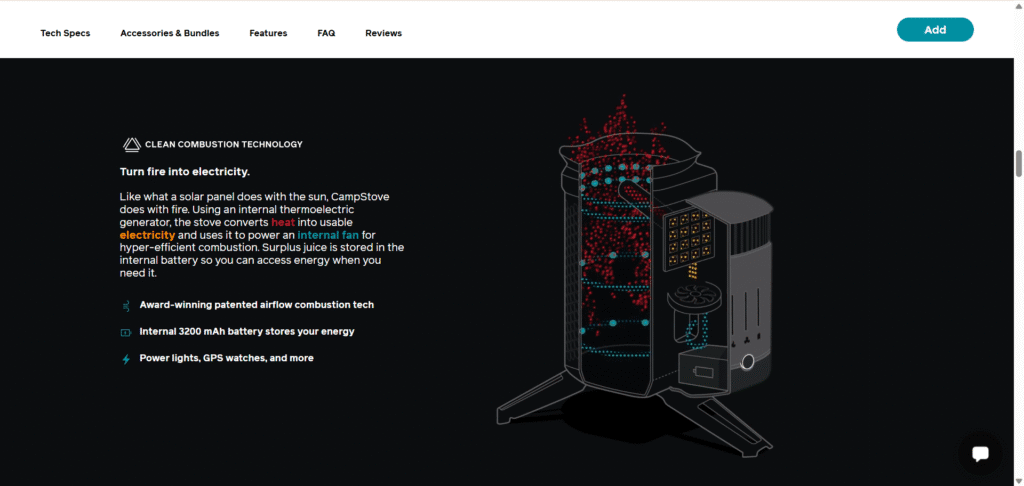
BioLite is a perfect example of dominating a niche by solving a technical problem. They created a new category of outdoor gear by answering a core question for modern campers: “How can I cook a meal and charge my phone off the grid?” Their innovative stoves, which convert waste heat into electricity, created an instant competitive advantage.
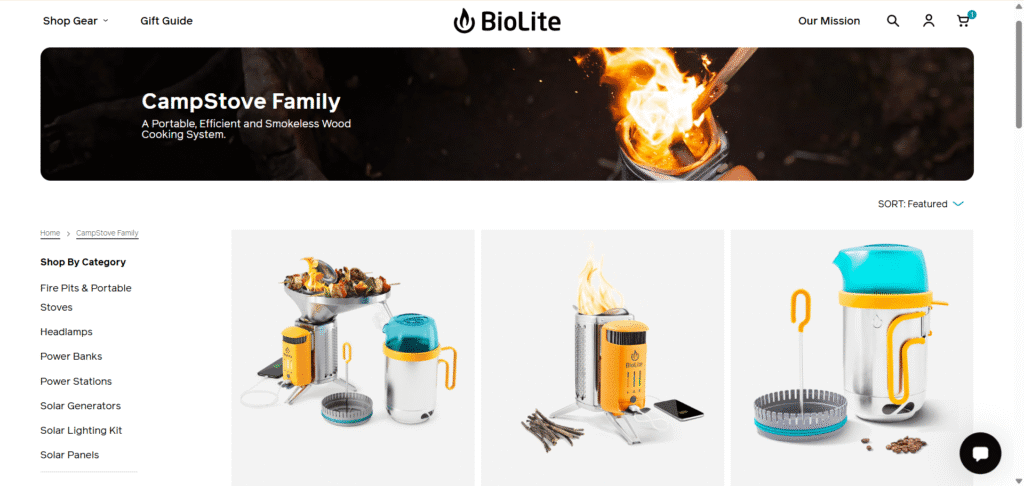
The Core Brand: The brand is a unique blend of rugged outdoor performance and social good. Their promise is self-reliance, whether you’re on a remote trail or in a village without reliable power. This mission-driven approach attracts customers who want high-performance gear that aligns with their values.
The Conversion Engine: The website is built to educate. It uses clean diagrams, powerful video demonstrations, and clear tech specs to explain how their innovative products work. Highlighting their global social impact mission also acts as a powerful trust signal.
The Traffic Machine: Their audience lives on outdoor gear review sites, YouTube channels, and adventure-focused blogs. Their marketing relies on content, expert reviews, and influencer partnerships within the camping, hiking, and emergency preparedness communities to build credibility and drive sales.
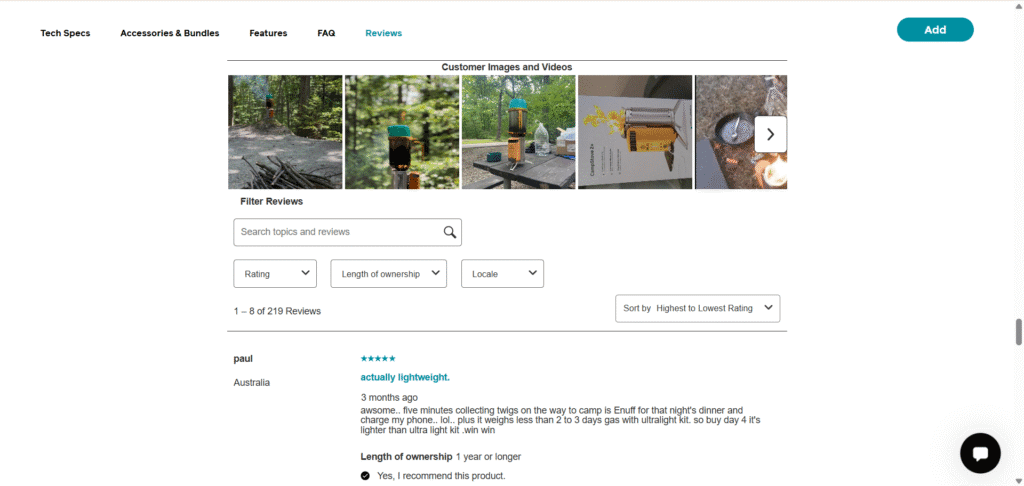
Pet Clever: Solving a Specific Problem for a Passionate Audience
The pet niche is evergreen, but its true potential is unlocked by solving specific problems. Pet Clever excels by offering products that go beyond simple toys, focusing on practical solutions for grooming, training, and pet care.
The Core Brand: They position themselves as a helpful resource for pet owners. Their brand isn’t just about cute products; it’s about making life easier and better for pets and their humans.
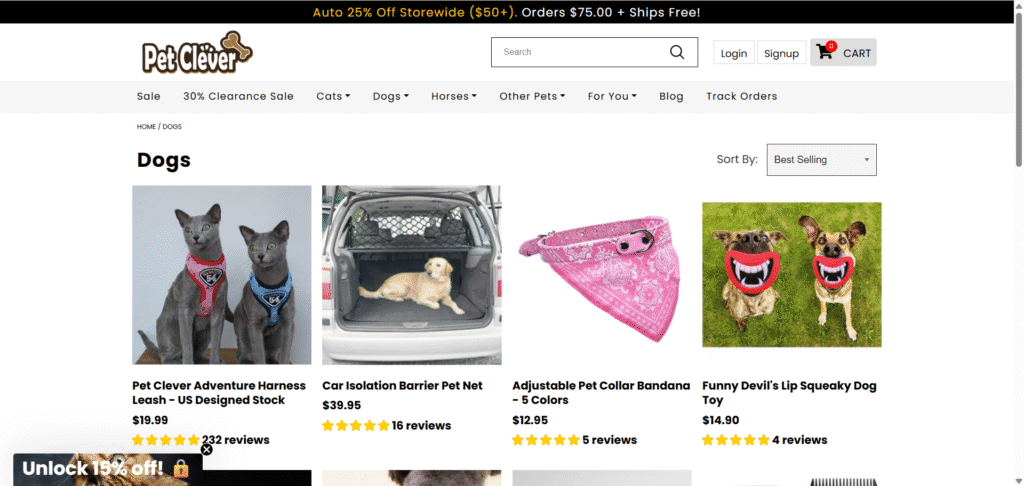
The Conversion Engine: Their website effectively uses video and user-generated photos of pets using their products. This creates powerful social proof and helps customers visualize the benefits, building instant trust.
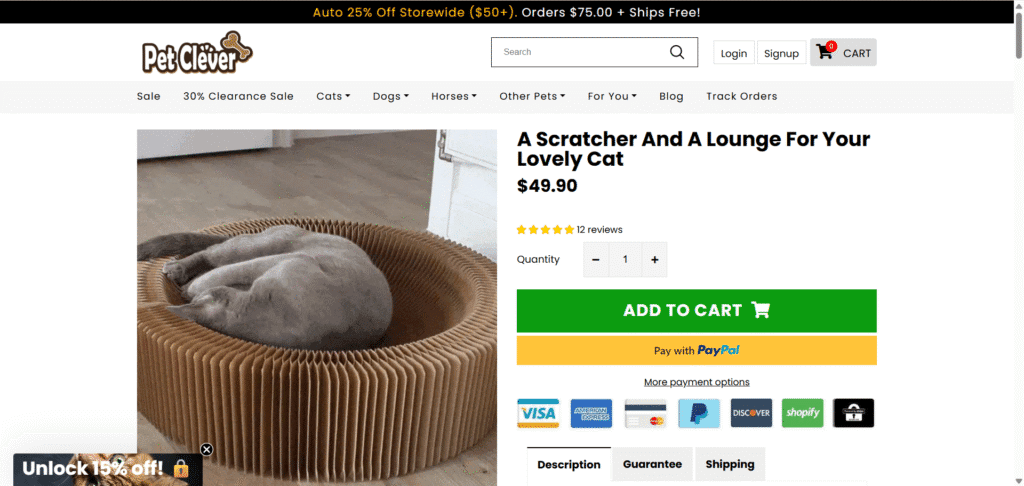
The Traffic Machine: Their problem-solving products are ideal for targeted Facebook and Instagram ads. A video ad showing a difficult-to-groom cat being calmly brushed with their special tool is far more compelling than a static product image.
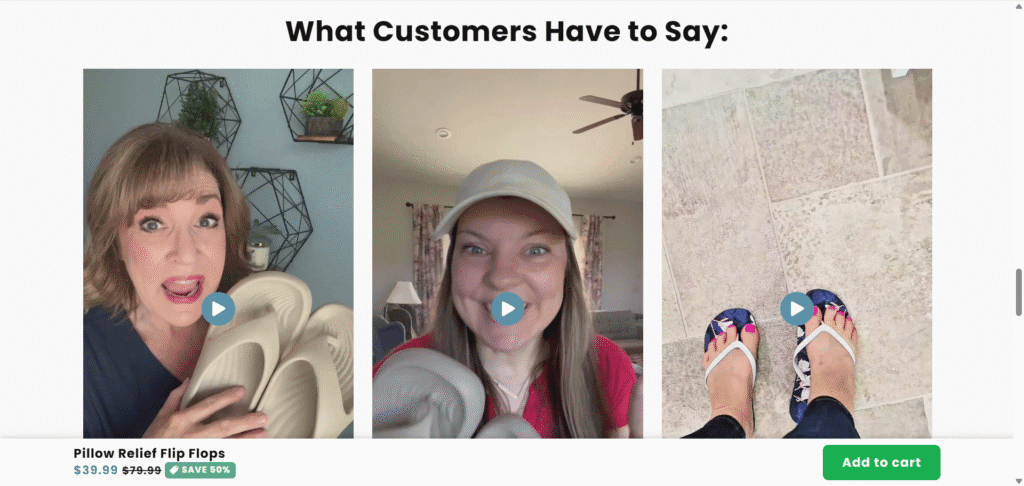
Pillow Slides: Riding a Viral Trend with TikTok and Scarcity
Pillow Slides is a prime example of a Trend Master. They identified a product with massive viral potential—simple, comfortable, and visually distinct slides—and built a marketing engine to capitalize on it.
The Core Brand: The brand is the trend. The focus is entirely on the product’s immediate appeal: “cloud-like comfort.” The branding is minimal because the product itself is the star.
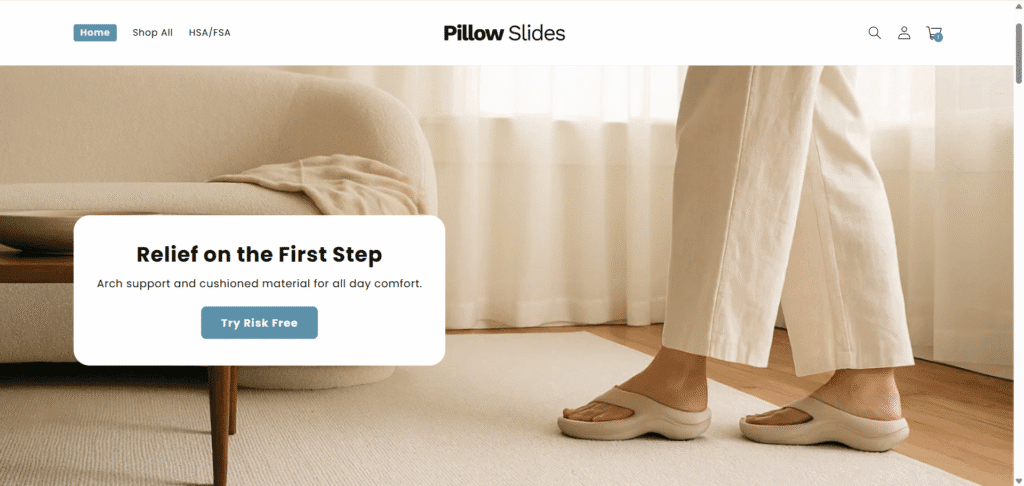
The Conversion Engine: Their product pages are built for speed, loaded with social proof like customer reviews, star ratings, and “As Seen On TikTok” badges. They use scarcity tactics and time-sensitive offers to encourage immediate purchases.

The Traffic Machine: This brand lives on TikTok. Their entire strategy revolves around creating or encouraging short-form video content that showcases the product’s main benefit—extreme comfort.
Fresh Juice Blender: Dominating with a Single-Product Storefront
This store demonstrates the power of focus. By building their entire brand around a single hero product—a portable, USB-rechargeable blender—they create an immediate perception of expertise and quality.
The Core Brand: They aren’t just a kitchen gadget store; they are the portable blender store. This singular focus makes their marketing message incredibly clear and powerful.
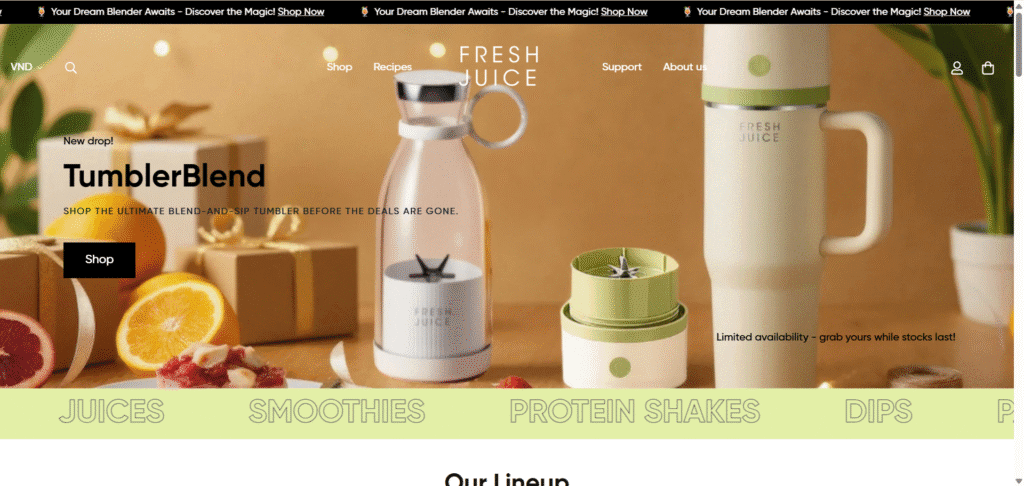
The Conversion Engine: The website is a high-converting sales funnel for one item. It’s filled with high-quality videos demonstrating the product in various real-life scenarios, from the gym to the office. They maximize profit with strategic upsells for accessories and bundles.
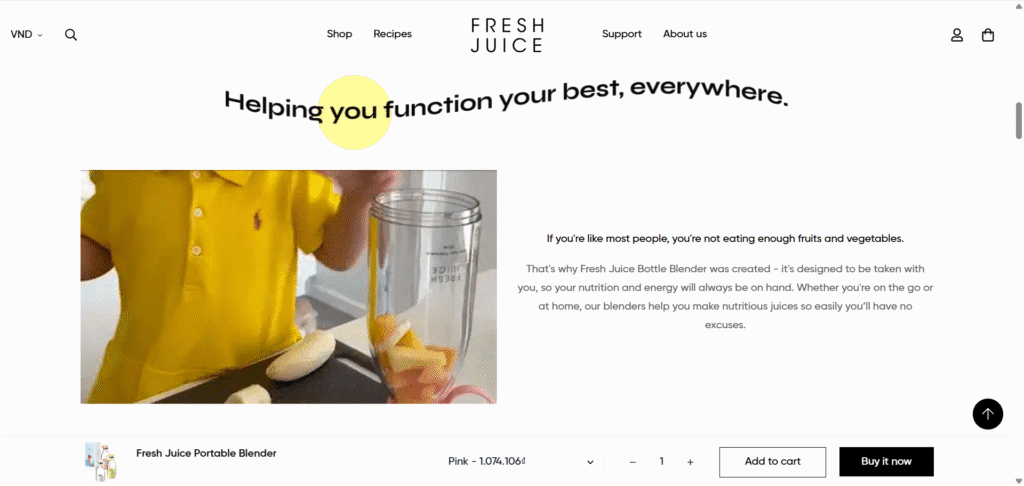
The Traffic Machine: Their traffic comes from highly effective video ads on platforms like Instagram and Facebook. Seeing the blender crush ice and fruit in seconds is a powerful, visual hook that drives clicks.
Cloudsharks: Turning a Novelty Item into a Viral Sensation
Like Pillow Slides, Cloudsharks jumped on a viral product: comical, shark-shaped slides. But where they leveled up was in building a fun, memorable brand around the novelty. With an estimated 37.8K monthly visitors, their strategy is clearly working.
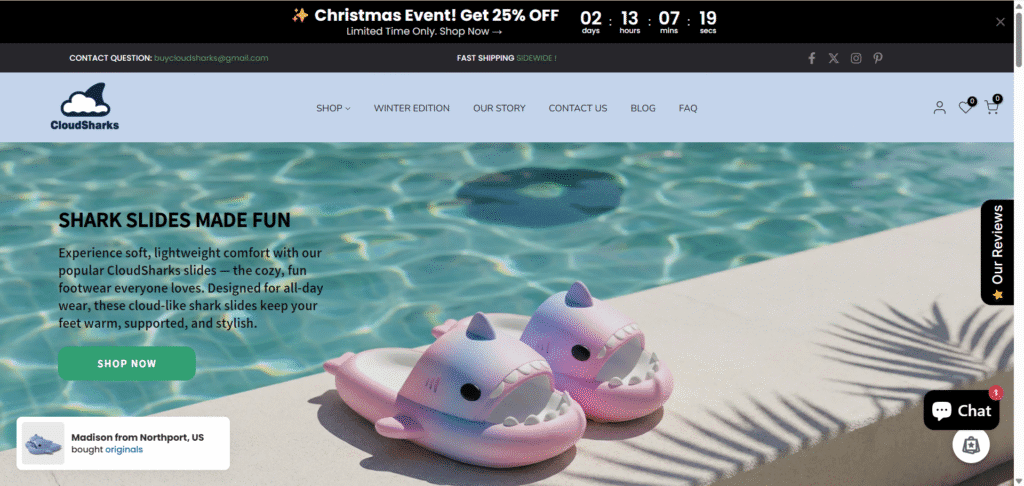
The Core Brand: The brand is fun, quirky, and doesn’t take itself too seriously. They embraced the silliness of the product to create an identity that customers want to be a part of.
The Conversion Engine: Their website reflects the brand’s playful tone. The copy is lighthearted, the visuals are bright, and the entire experience feels less like a transaction and more like joining a fun club.
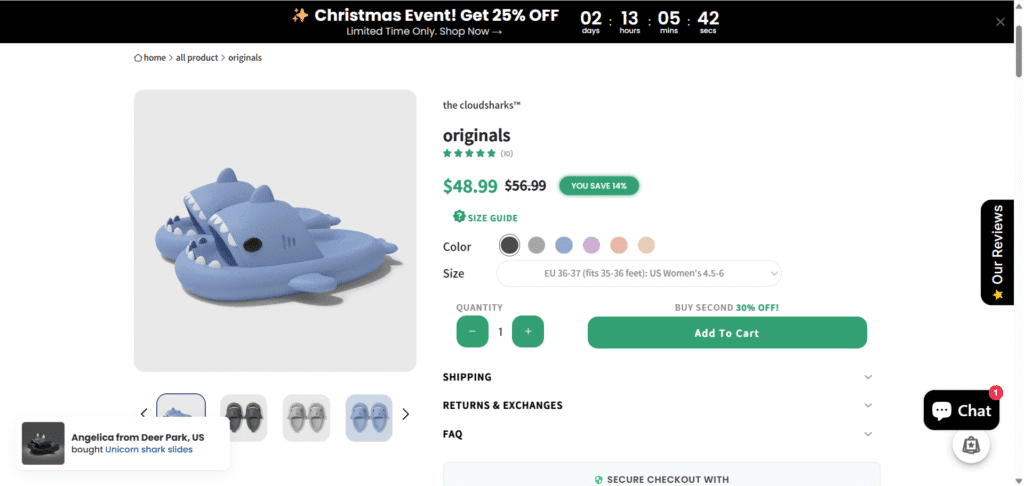
The Traffic Machine: According to an analysis by SaleHoo, their success comes from a strong social media presence across multiple channels, primarily TikTok and Instagram, where visual, shareable content reigns supreme.
My Bee Balm Co: Thriving with Simplicity and Natural Ingredients
My Bee Balm Co. excels by focusing on a hyper-specific niche: natural, bee-based skincare. In a beauty industry often filled with complex chemical formulas, their core strength is radical simplicity.
The Core Brand: The brand promise is pure, simple, and natural. They cater to the growing “clean beauty” and eco-conscious consumer movement. Their value proposition is effective skincare derived from nature, without the confusing ingredient list.
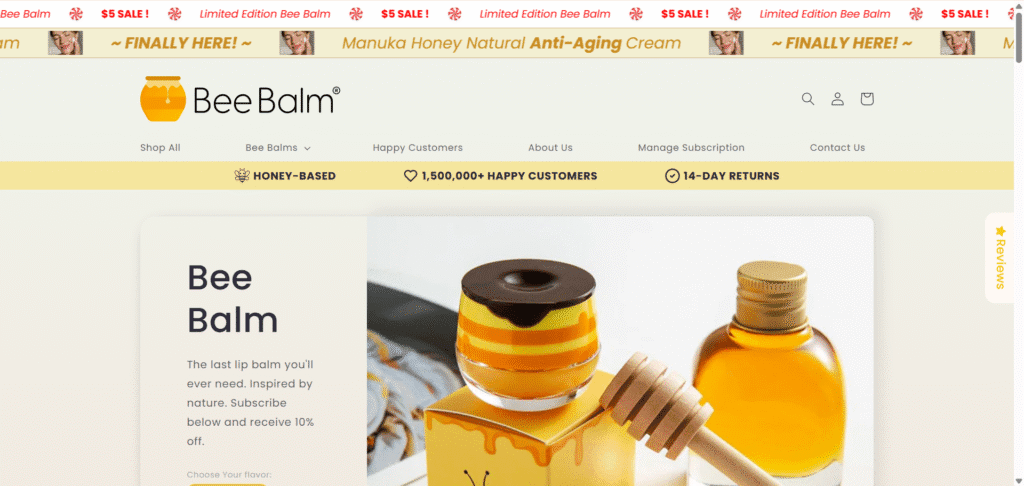
The Conversion Engine: Their Shopify store is clean, minimalist, and uses an earthy color palette to reinforce the brand’s natural ethos. Product pages prominently feature the short, easy-to-understand ingredient list, which itself acts as a major trust signal for their target audience.
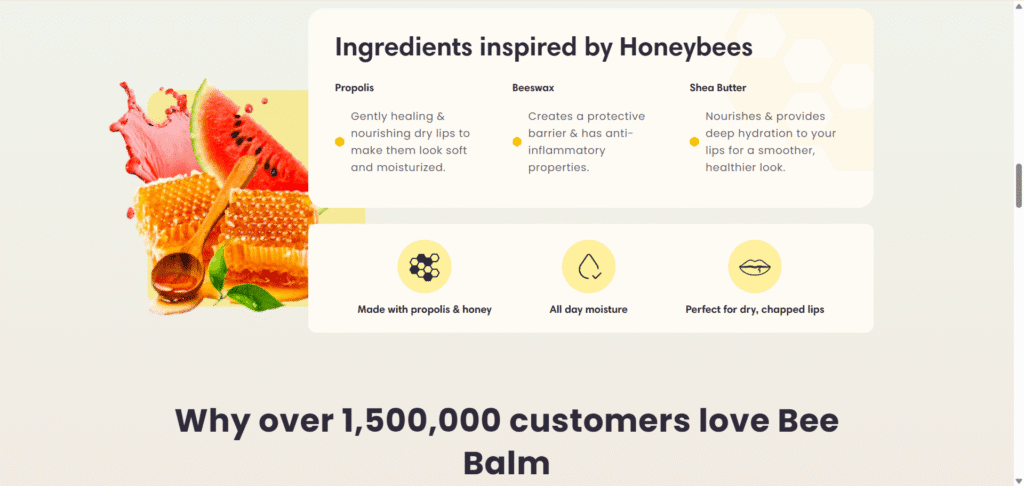
The Traffic Machine: This brand is perfectly suited for visual platforms like Instagram and Pinterest. Their traffic strategy revolves around aesthetic-driven content: flat lays of their products, user-generated content from happy customers, and partnerships with micro-influencers in the sustainable lifestyle and clean beauty communities.
Paddie Nails: Capitalizing on the DIY Salon Trend
Paddie Nails is a Trend Master that perfectly captured the shift towards at-home beauty solutions. They sell semi-cured gel nail stickers that offer a salon-quality manicure for a fraction of the price and time, targeting a young, savvy audience.
The Core Brand: Their brand is built on convenience, affordability, and trend-forward design. They sell a result: “perfect nails in minutes,” which is a powerful value proposition for their busy target demographic.
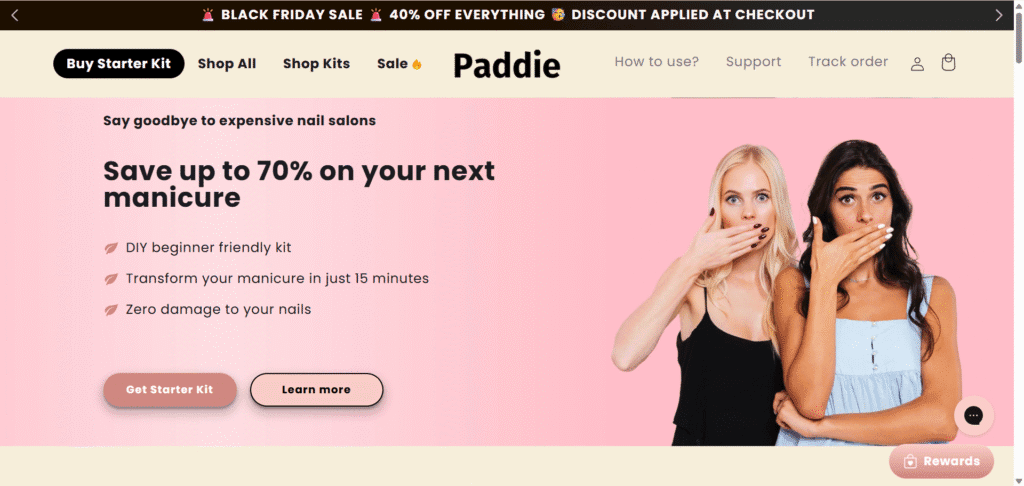
The Conversion Engine: The website is a fast, mobile-first experience designed to convert scrollers into shoppers. It’s highly visual, using short video clips and user-generated photos to demonstrate how easy the product is to apply and how great it looks.

The Traffic Machine: Their entire traffic engine is built for TikTok and Instagram Reels. Their marketing strategy is a masterclass in short-form video, using trending sounds and satisfying application clips to go viral and drive impulse buys.
BlendJet: A Masterclass in Portable Product Demonstration
While now a massive brand, BlendJet’s initial explosion onto the scene is a perfect case study in mastering a trend. They took the portable blender concept and elevated it with superior branding and an unstoppable marketing strategy.
The Core Brand: The brand promise is simple and powerful: “The original portable blender.” They positioned themselves as the category leader through quality and convenience.
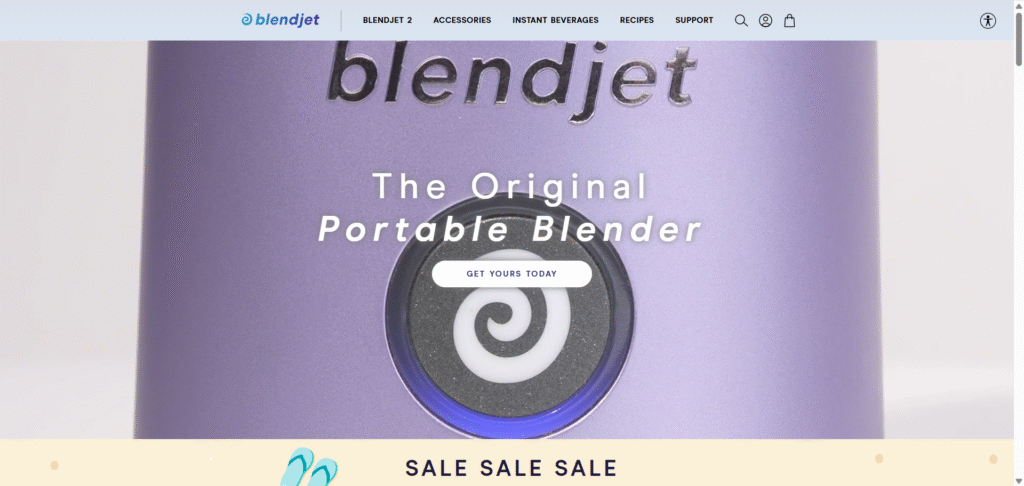
The Conversion Engine: Their website is a testament to the power of professional design and social proof. It’s packed with high-quality video demonstrations, glowing press mentions, and thousands of customer reviews.
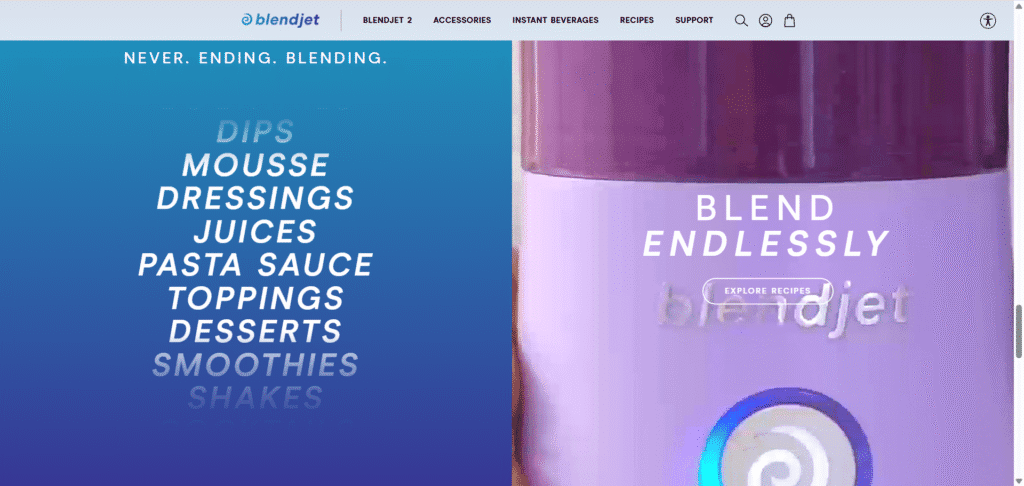
The Traffic Machine: BlendJet perfected the art of the video ad. Their marketing showcases the product’s power and versatility in countless scenarios, making it an irresistible purchase for anyone interested in health and convenience.
Tier 2: The Brand Builders
If Niche Masters are sprinters, Brand Builders are marathon runners. These Shopify dropshipping examples have successfully moved beyond selling individual products to cultivating a recognizable brand with a loyal following.
They invest in content, community, and a cohesive identity that customers trust and return to. Their playbooks are less about quick wins and more about building long-term, sustainable assets.
Notebook Therapy: Building a Cult Following with Aesthetics and Community
Appearing in nearly every competitor analysis, Notebook Therapy is the definitive example of turning a product into a lifestyle.
To me, they don’t just sell stationery; they sell the art of journaling, creativity, and mindful organization to a dedicated community.
The Core Brand: Their brand is built on a specific, curated aesthetic—clean, pastel, and heavily influenced by Japanese and Korean design. This visual consistency makes them instantly recognizable.
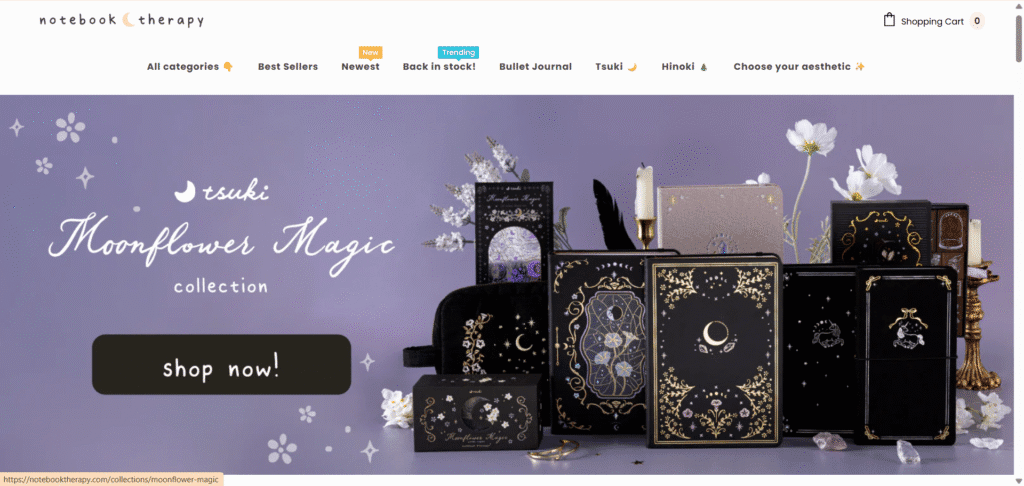
The Conversion Engine: The Shopify store is a serene, visually cohesive experience that mirrors their social media feeds. It functions as a digital lookbook, inspiring customers with beautiful product photography and user-generated journal layouts.
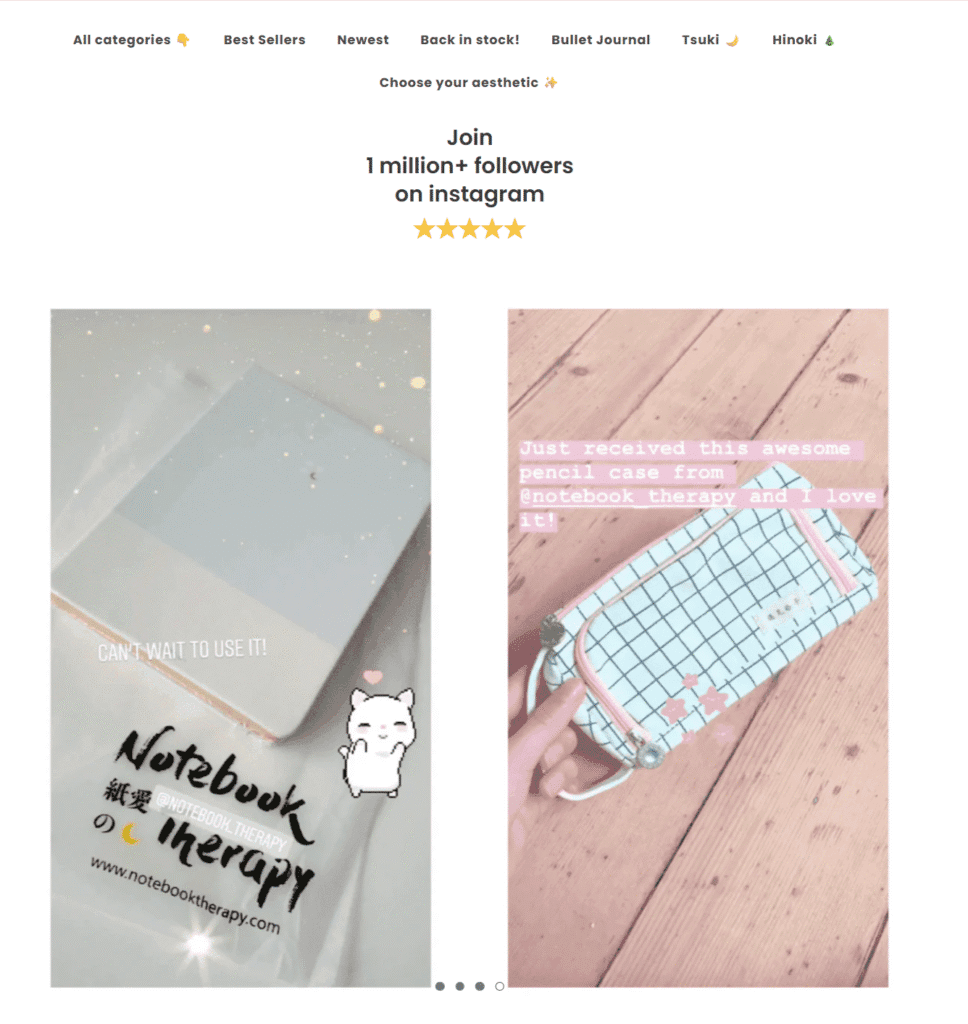
The Traffic Machine: Their power comes from a massive community on Instagram and Pinterest. They don’t just post product photos; they share inspiration, how-to guides, and content from their fans, making their followers feel like part of a creative club.
Meowingtons: A Masterclass in Niche Marketing and Cross-Selling
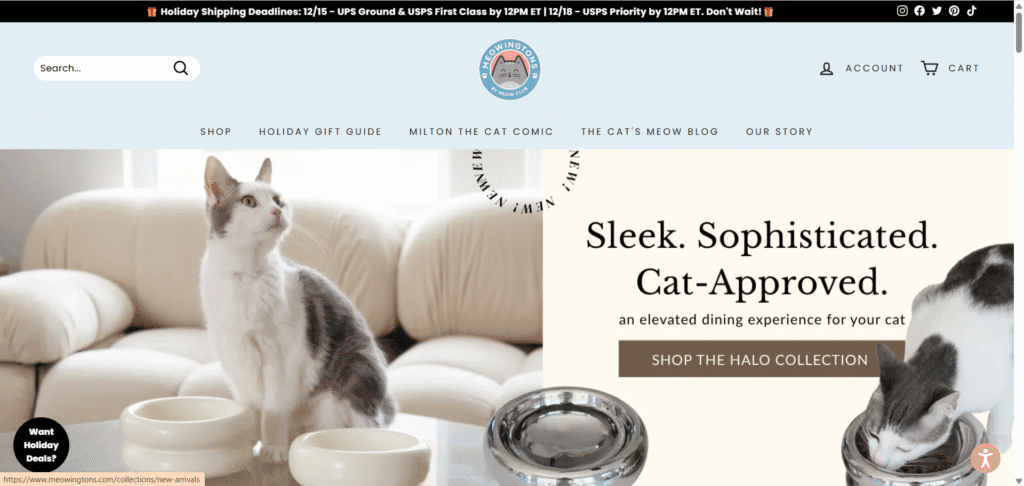
Meowingtons proves that a niche brand can achieve massive scale. They serve the passionate “cat person” demographic with a wide array of cat-themed products, from apparel to home goods. With an estimated 22K–31K monthly visitors and revenue between $1-3 million, their strategy is a case study in community marketing.
The Core Brand: The brand’s voice is fun, humorous, and deeply embedded in internet cat culture. They speak the language of their audience, using memes and relatable content to build a powerful connection.
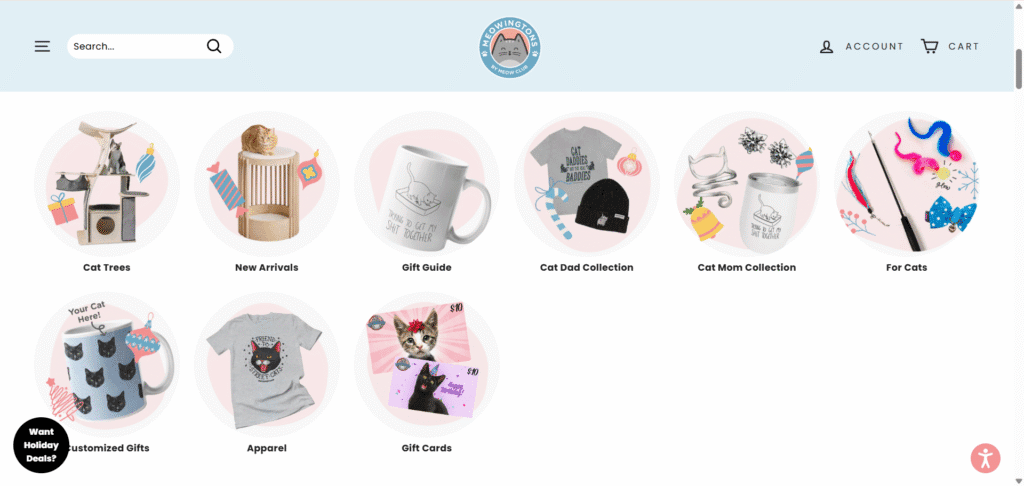
The Conversion Engine: Their extensive product catalog is a cross-selling machine. A customer who comes for a t-shirt might leave with a mug, a blanket, and a cat toy. The website is designed for discovery, encouraging repeat purchases.
The Traffic Machine: Their traffic engine runs on viral social media content. By posting funny cat videos and memes on Facebook and Instagram, they’ve built a huge audience that they can market to for free, supplementing this reach with targeted ads.
Burga: Turning a Commodity (Phone Cases) into a Fashion Statement
How do you sell a simple product like a phone case at a premium price? Burga’s answer is to reframe it as a fashion accessory. They successfully elevated a commodity into a desirable, high-quality style statement.
The Core Brand: Burga’s brand is chic, luxurious, and style-conscious. They don’t sell “phone protection”; they sell “a signature look for your most-used accessory.”
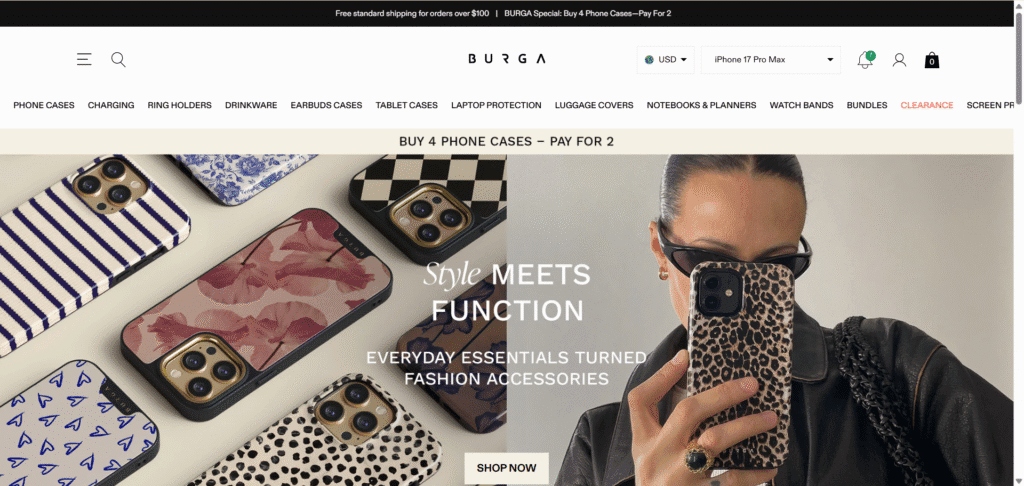
The Conversion Engine: Their website feels like a high-end fashion boutique. Professional, magazine-quality photography and a sleek design create a premium experience that justifies the higher price point.
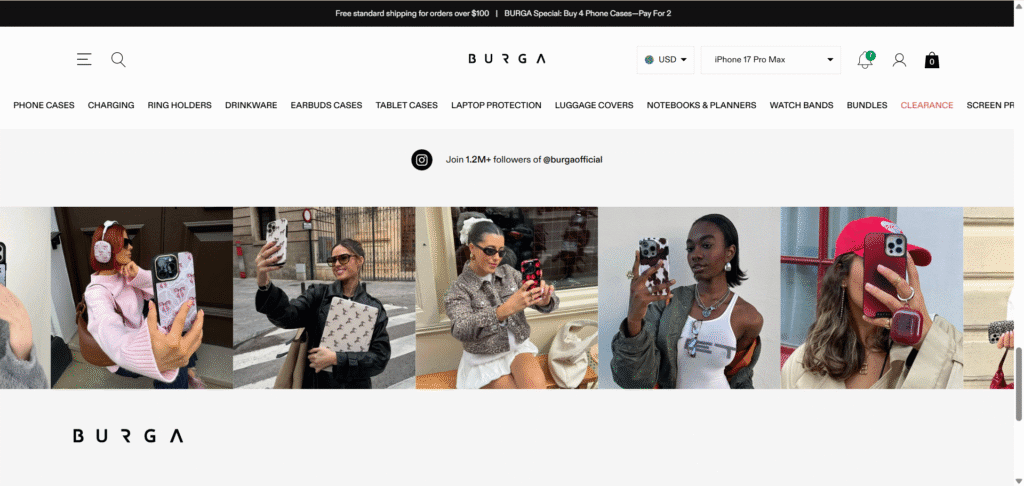
The Traffic Machine: Their primary marketing channel is influencer marketing. By partnering with fashion and lifestyle influencers on Instagram, they position their products as essential components of a curated outfit and aesthetic.
MiracleSofa: Building a Brand by Solving a Universal Problem
MiracleSofa has built a powerful brand by taking the “problem-solving” model of Ruggable and applying it to sofas. They sell machine-washable, pet-proof, and stylish slipcovers that protect or transform furniture, making them a go-to brand for families and pet owners.
The Core Brand: Their brand is the promise of a worry-free living room. They don’t just sell sofa covers; they sell a solution to a constant source of stress for their customers—stains, spills, and pet damage.
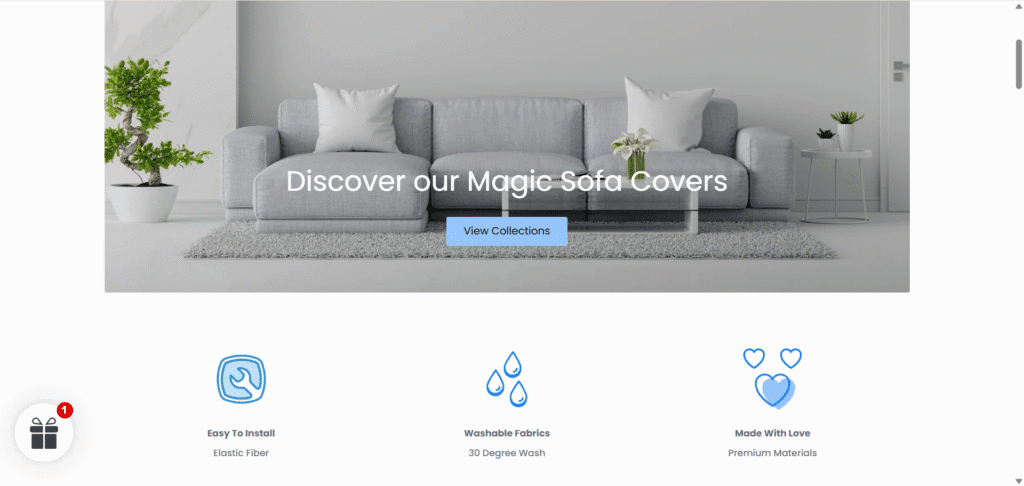
The Conversion Engine: Their website is a powerful demonstration tool. It’s filled with convincing before-and-after photos, video spill tests, and an enormous amount of social proof in the form of customer reviews featuring their own pets and kids. This builds the trust needed to make a considered purchase.
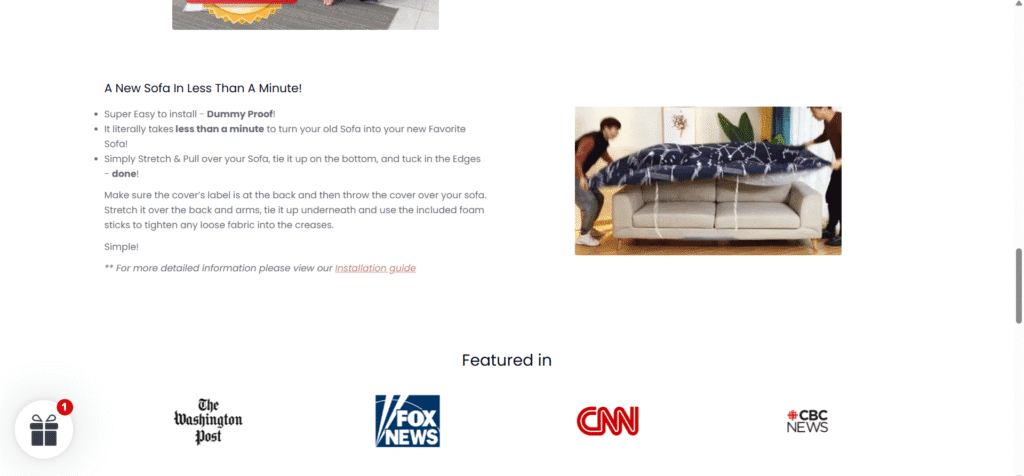
The Traffic Machine: Like Ruggable, their strategy is perfect for visual, story-driven ads on platforms like Facebook and YouTube. Showing a “disaster” (like a wine spill or muddy paws) being instantly solved by throwing a cover in the wash is an incredibly effective marketing hook.
Inspire Uplift: The General Store Model Done Right
While many experts advise against general stores, Inspire Uplift shows how the model can thrive at scale. They sell a vast, eclectic mix of problem-solving gadgets, unique gifts, and trending products.
The Core Brand: Their brand is built on the joy of discovery. The appeal is the “what will I find next?” experience, much like a digital version of a “As Seen on TV” store, but with a more modern feel.
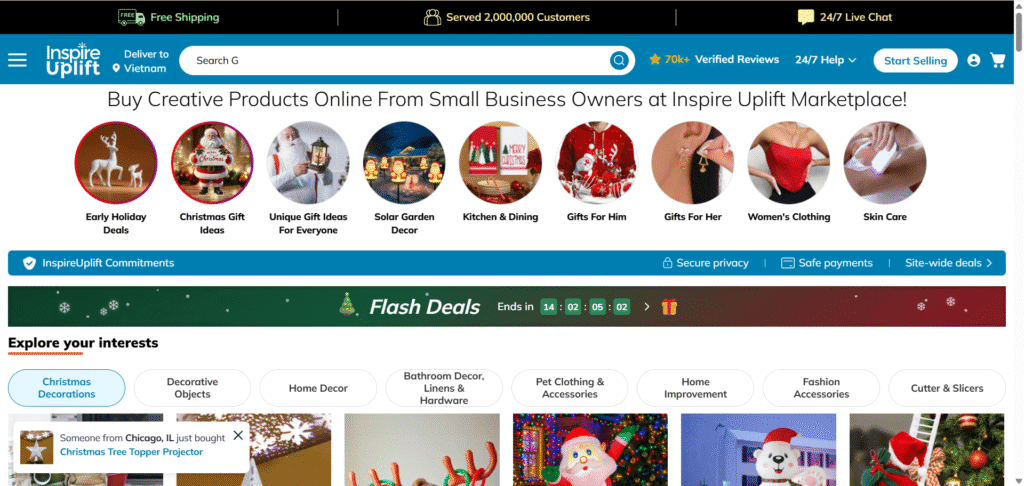
The Conversion Engine: Keep in mind that a clean, navigable website is crucial for a store with a huge catalog. Inspire Uplift’s site is simple and intuitive, with a heavy reliance on customer reviews and video demonstrations on each product page to build trust quickly.
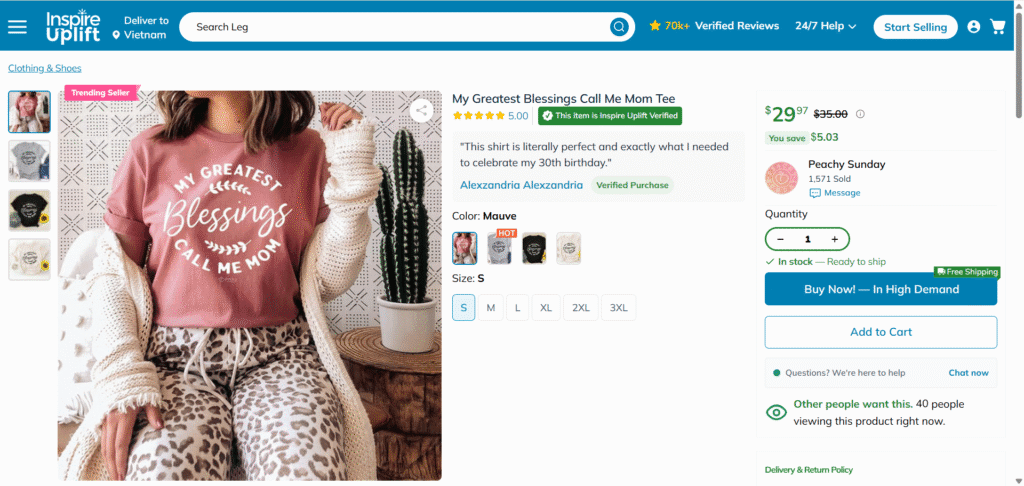
The Traffic Machine: Their success is driven by a massive and sophisticated paid advertising strategy on Facebook. They test a wide range of products, identify winners based on engagement, and scale the ad spend on those that go viral.
Sage & Sill: Curating a Brand for Plant and Home Lovers
Sage & Sill built its brand by catering to the massive trend of indoor plants and modern home aesthetics. They offer a carefully selected collection of planters, hangers, and decor that appeals to a design-savvy audience.
The Core Brand: The brand is minimalist, natural, and calming. They curate products that help customers create a peaceful and beautiful space.
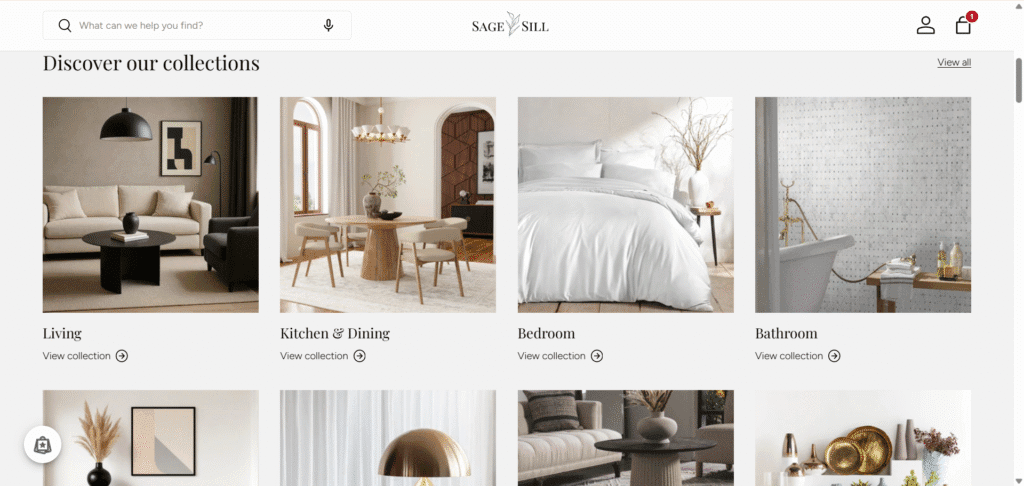
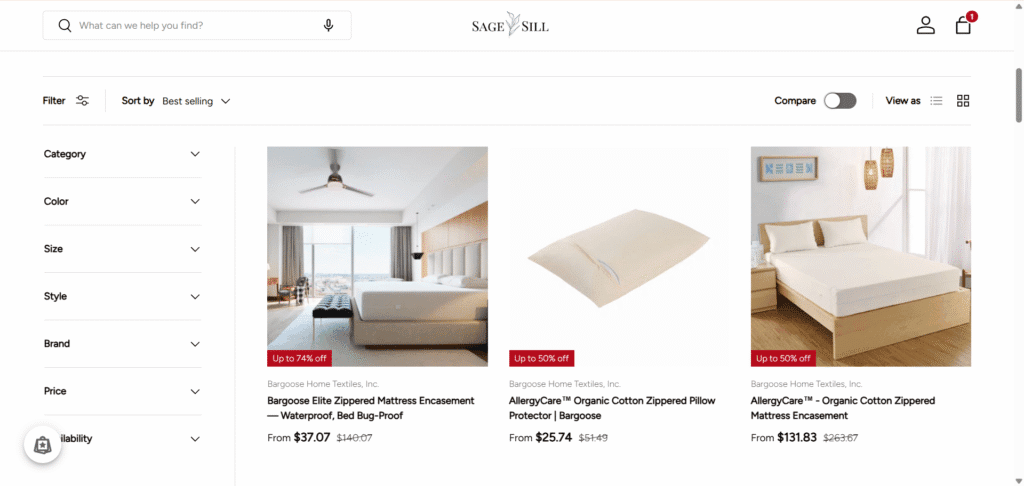
The Conversion Engine: The Shopify store is a reflection of their aesthetic: clean, bright, and full of beautiful lifestyle photography. The shopping experience is designed to be as serene as the products they sell.
The Traffic Machine: Their visual products are a natural fit for Instagram and Pinterest. They’ve built a strong following by creating a cohesive, shoppable feed that functions as both a brand showcase and a direct source of traffic.
Articture: Creating a Premium Brand with High-End Photography
Articture is a premier example of using perceived value to sell high-ticket dropshipping products. They sell unique, artistic, and often futuristic home decor and lighting that you can’t find anywhere else.
The Core Brand: Their brand is all about luxury, exclusivity, and artistic expression. They sell “statement pieces,” not just furniture.

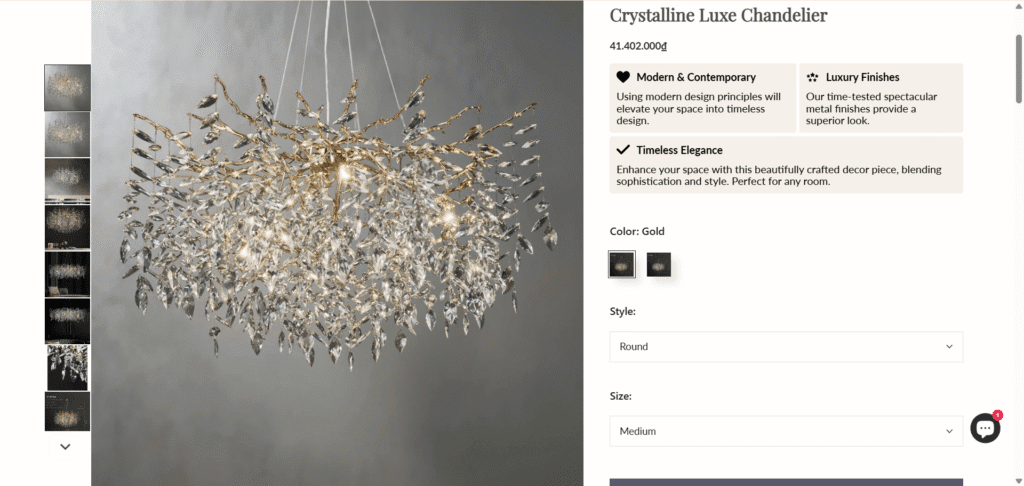
The Conversion Engine: With an estimated 55K monthly visitors, their website is their most powerful asset. They use stunning, high-end photography and dramatic, dark-themed web design to create an aura of sophistication and justify premium prices.
The Traffic Machine: Their marketing targets design-conscious consumers on visual platforms like Instagram and Pinterest. Their ad strategy likely focuses on reaching higher-income demographics with an interest in interior design and modern art.
Pura Vida Bracelets: Weaving a Mission into the Brand’s DNA
Pura Vida Bracelets transitioned from a simple product to a globally recognized brand by selling a story, not just a product. Their success is a lesson in the power of mission-driven marketing.
The Core Brand: Their brand is built on the “Pura Vida” lifestyle—a laid-back, adventurous spirit rooted in their origin story of supporting artisans in Costa Rica. Every bracelet purchase supports their mission.
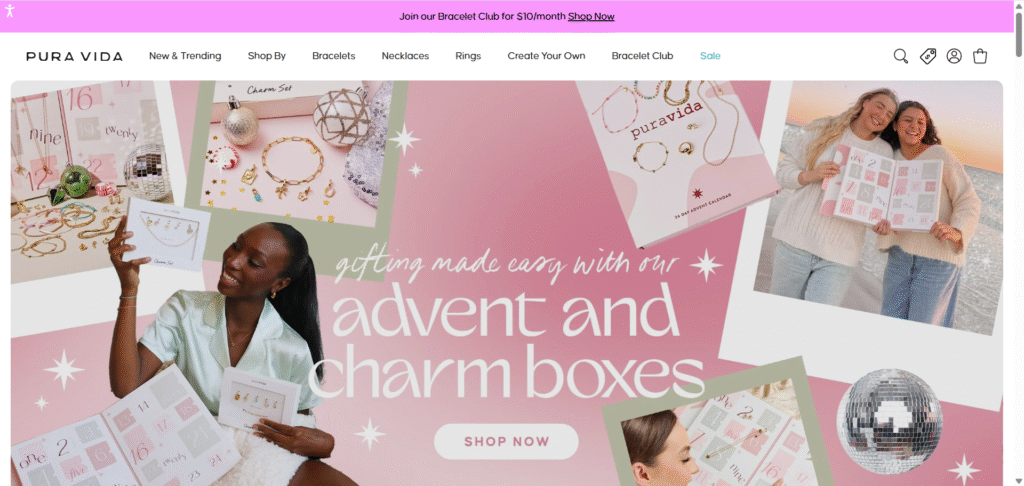
The Conversion Engine: Their website is a powerful storytelling platform. It prominently features the artisans they work with and the charities they support, turning a simple transaction into a meaningful contribution.
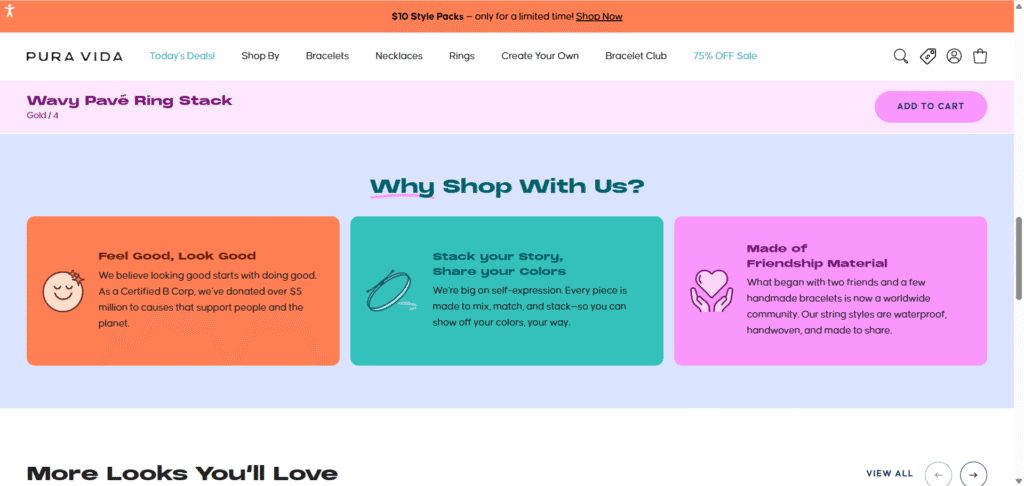
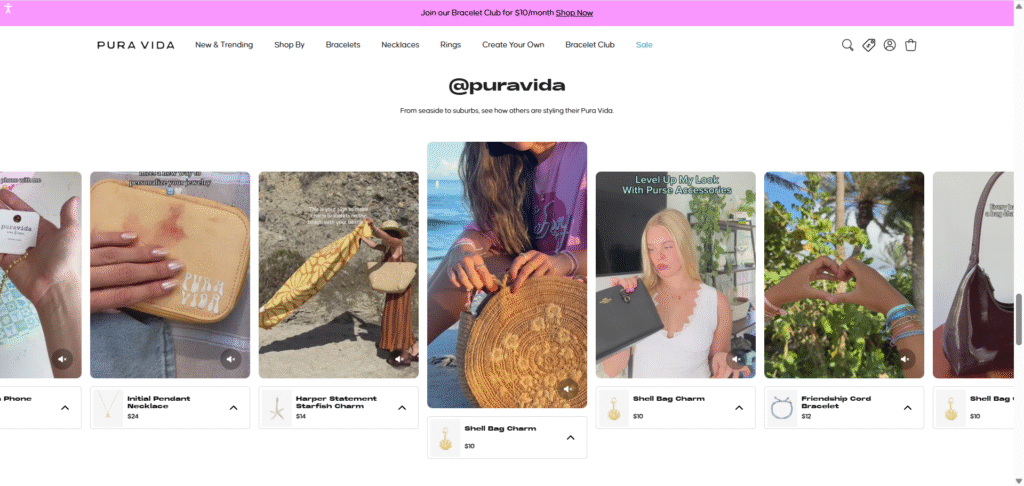
The Traffic Machine: Their growth was fueled by building a massive community of brand ambassadors and leveraging user-generated content on Instagram. They empowered their biggest fans to become their most effective marketers.
Stretched Fusion: Building a Trusted Brand in the Wellness Niche
Stretched Fusion has successfully built a brand in the competitive at-home wellness space by positioning themselves as a credible solution for a common problem: back pain. They sell posture correctors and stretching devices by focusing on the outcome of a healthier, pain-free life.
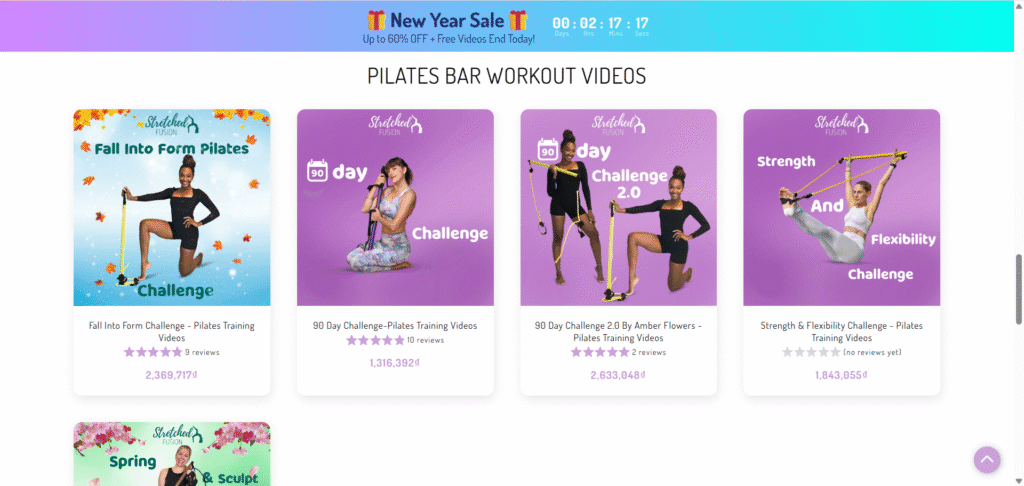
The Core Brand: Their brand is built on trust and relief. They use a quasi-medical, therapeutic tone to establish authority and speak directly to customers who are actively seeking a solution to their pain.
The Conversion Engine: Their website is designed to educate and build confidence. It features clear diagrams showing how the products work, detailed FAQs, and a heavy emphasis on customer testimonials that act as powerful case studies for the product’s effectiveness.
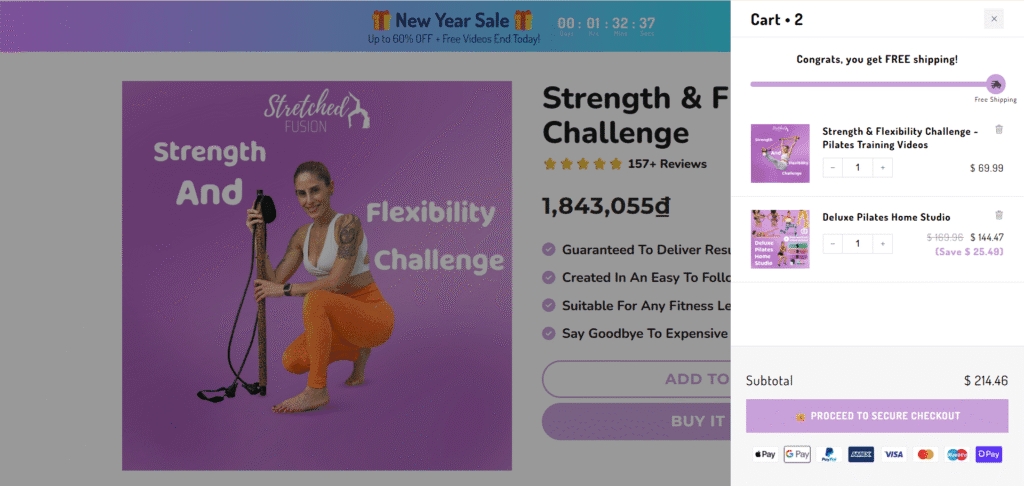
The Traffic Machine: Their marketing strategy is a blend of channels. They likely use targeted Facebook ads to reach audiences with interests in wellness and chiropractic care, while also capturing high-intent search traffic on Google for terms like “back pain relief at home.”
Haus London: A Modern Take on Furniture Dropshipping
Haus proves that you can dropship furniture and still look like a high-end, curated boutique. They focus on modern, stylish pieces that appeal to a younger, design-forward demographic.
The Core Brand: They are positioned as a modern furniture curator. They do the hard work of sifting through countless suppliers to present a stylish, cohesive collection.
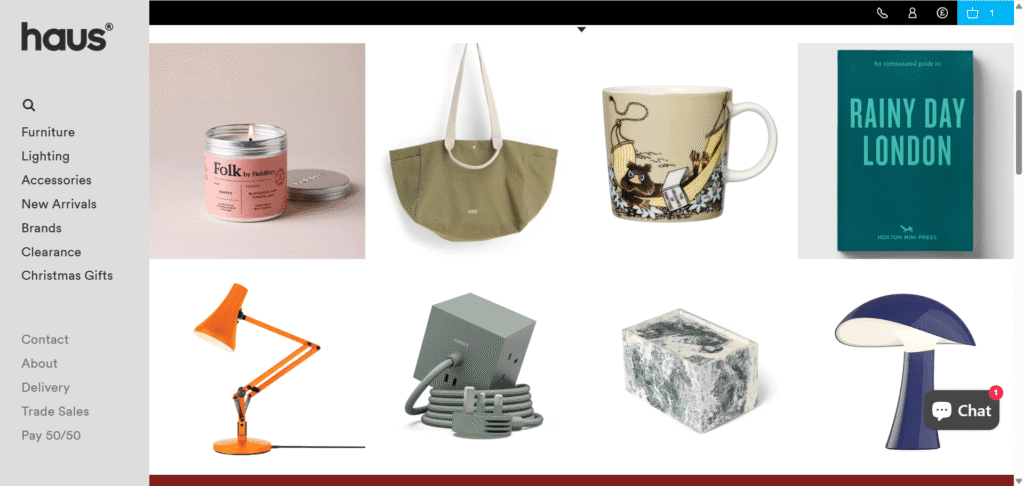
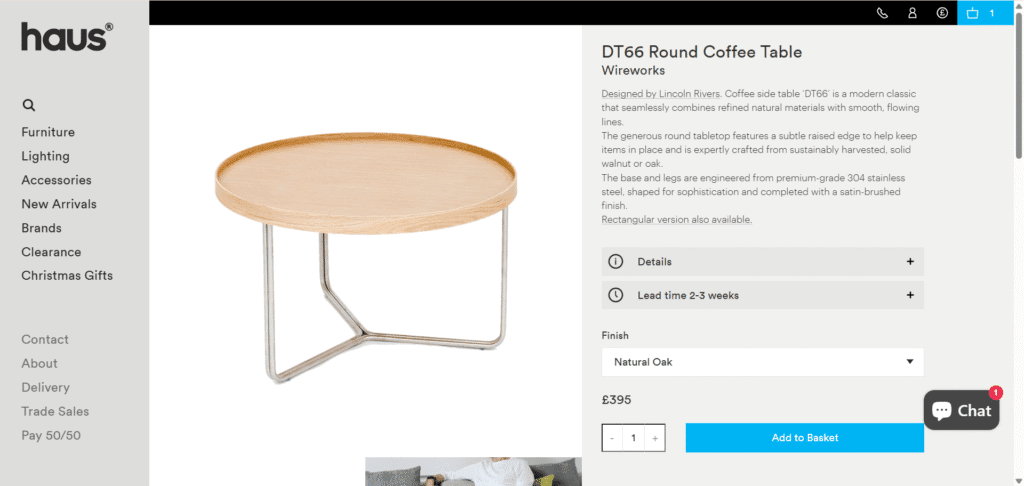
The Conversion Engine: Their Shopify store is minimalist and image-focused, resembling a high-end digital catalog. Professional design and clear navigation are essential for selling furniture, and Haus executes this perfectly.
The Traffic Machine: Their strategy likely combines the inspirational power of Pinterest for room design ideas with the high-intent traffic from Google Ads for users searching for specific items like “modern oak coffee table.”
Tier 3: The Industry Shapers
The brands in this tier have transcended their startup origins to become household names. These dropshipping Shopify examples are aspirational models of what’s possible when a great idea is scaled masterfully. While they may not be pure dropshipping stores today, their stories are rooted in principles that every new entrepreneur should study.
These giants now stand among the most successful brands on the entire platform. For a broader, data-backed look at what makes the top 1% of brands win across all business models, explore our analysis of the 50+ best Shopify store examples. They didn’t just join a market; they leveraged a powerful unique selling proposition (USP) or pioneered a new marketing model to fundamentally change it.
Ruggable: Revolutionizing an Industry with a Unique Product
Ruggable took on the sleepy, traditional rug industry with one brilliantly simple, game-changing idea: a machine-washable rug. This single innovation solved a universal problem for families and pet owners, creating an entirely new category of product.
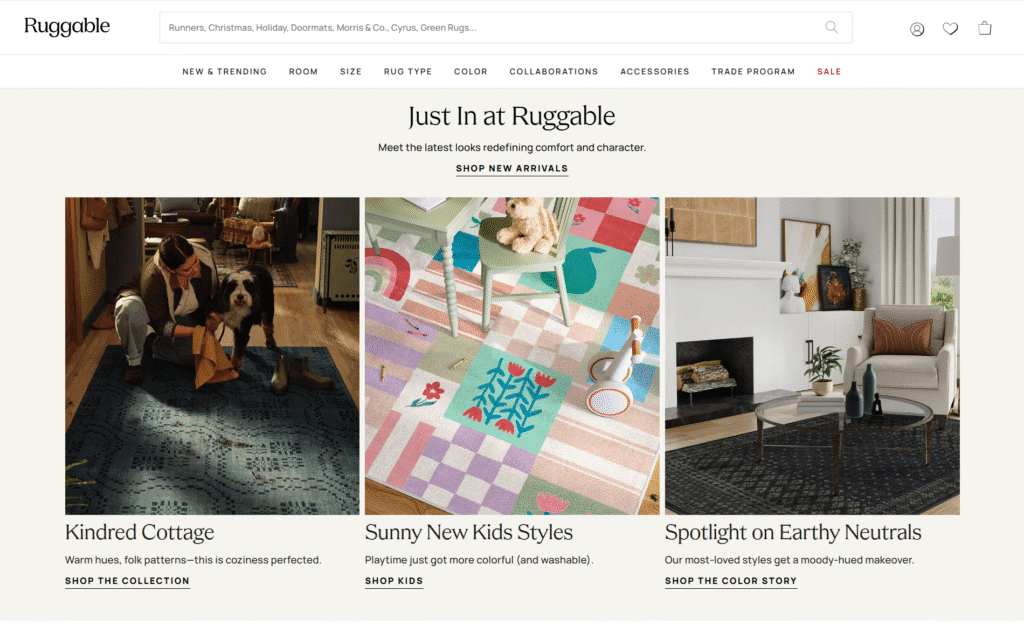
The Core Brand: Their brand is built entirely on this powerful USP. They don’t sell decor; they sell peace of mind. The promise is that you can live your life without worrying about spills and stains. This problem-solving approach is the foundation of their identity.
The Conversion Engine: Ruggable’s website is a masterclass in demonstrating an innovative product. It uses clear graphics and videos to explain their patented two-piece system, instantly answering the customer’s primary question: “How does it work?” High-profile collaborations with brands like Disney and Netflix series like Bridgerton add a layer of cultural relevance and desire.
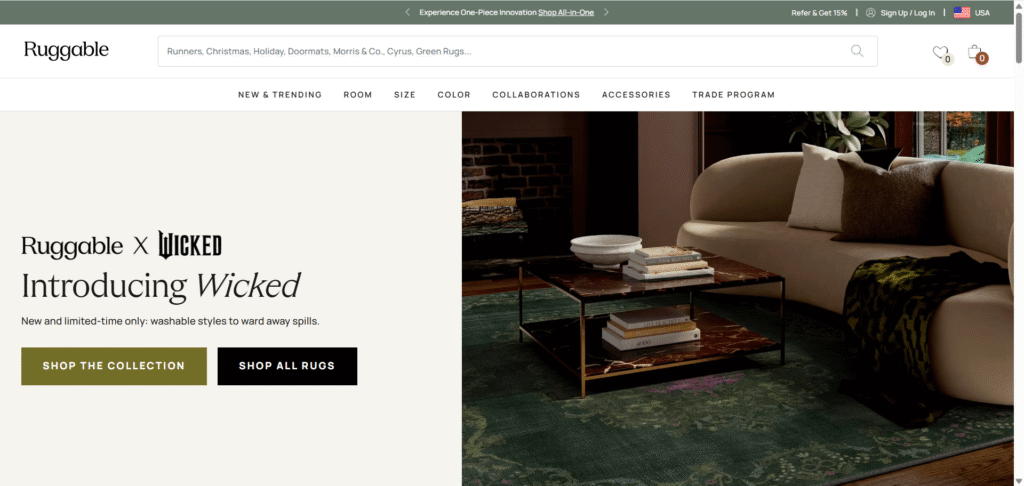
The Traffic Machine: Their growth is fueled by a massive investment in video advertising. Their ads follow a simple, repeatable formula: show a catastrophic spill on a beautiful rug, then cut to the effortless solution of throwing it in the washing machine. This powerful visual narrative, deployed across YouTube, Facebook, and television, made their unique value proposition unforgettable.
Gymshark: From Screen-Printing to a $1 Billion+ Fitness Empire
Gymshark is the ultimate aspirational story for any entrepreneur starting in their bedroom. Founder Ben Francis started by screen-printing and selling a handful of items online. Today, it’s a billion-dollar brand that rewrote the rules of marketing in the fitness industry.
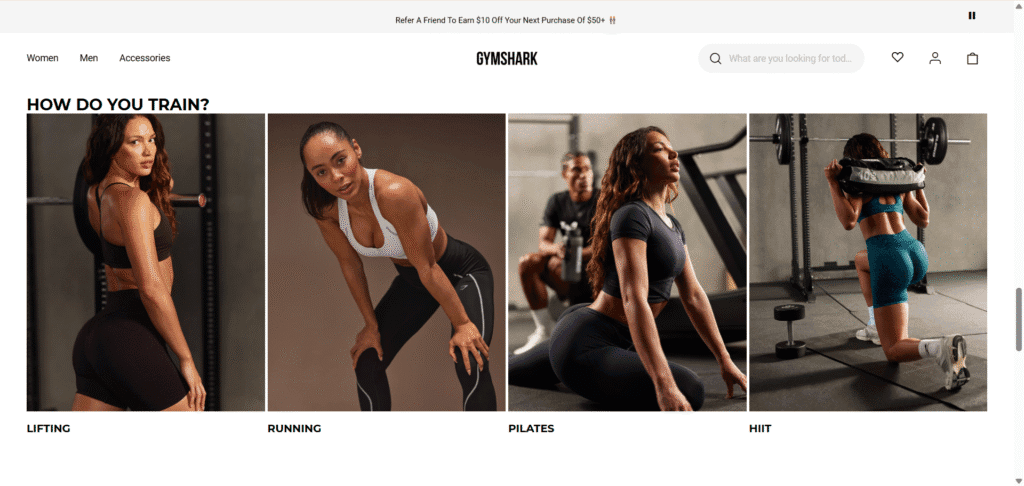
The Core Brand: Gymshark’s brand is built on community and aspiration. It represents the journey of self-improvement. They were one of the first brands to understand that their customers didn’t just want clothes; they wanted to belong to a movement.
The Conversion Engine: Their Shopify store is more than just a place to buy products; it’s a content hub that celebrates the fitness lifestyle. It prominently features their sponsored athletes and ambassadors, reinforcing the sense of community.
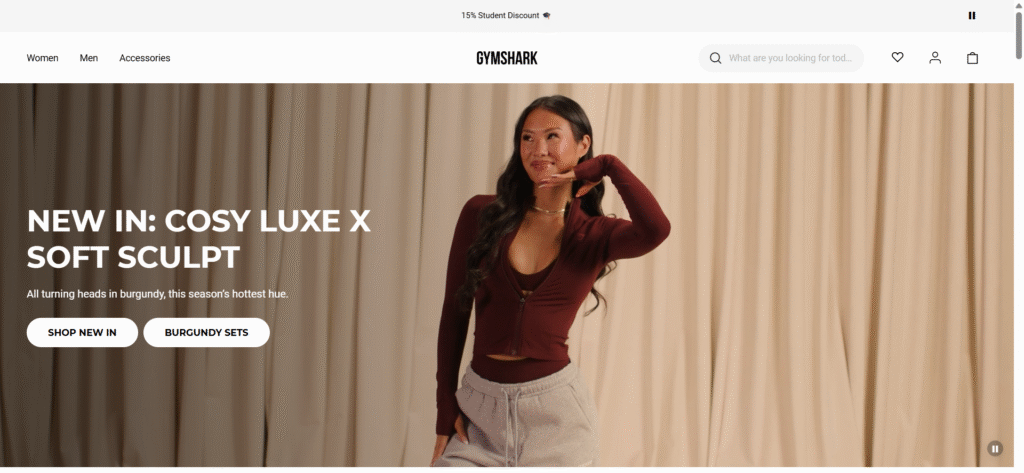
The Traffic Machine: They pioneered the modern influencer marketing model. Instead of paying for traditional ads, Gymshark identified and sponsored up-and-coming fitness athletes on social media. They built authentic, long-term relationships, turning these athletes into a loyal army of brand advocates. This strategy of building a community with influencers, rather than just renting their audience, is now a standard playbook for countless brands.
ColourPop: Using Scarcity and Collabs to Dominate Beauty
In an industry once dominated by legacy brands with slow, seasonal product launches, ColourPop burst onto the scene with a “fast fashion for makeup” model. They used speed, affordability, and hype to completely disrupt the cosmetics market.
The Core Brand: The brand is trendy, accessible, and always new. They thrive on being incredibly reactive to pop culture, launching new collections at a pace no traditional brand can match. Their identity is tied to the thrill of the “drop.”
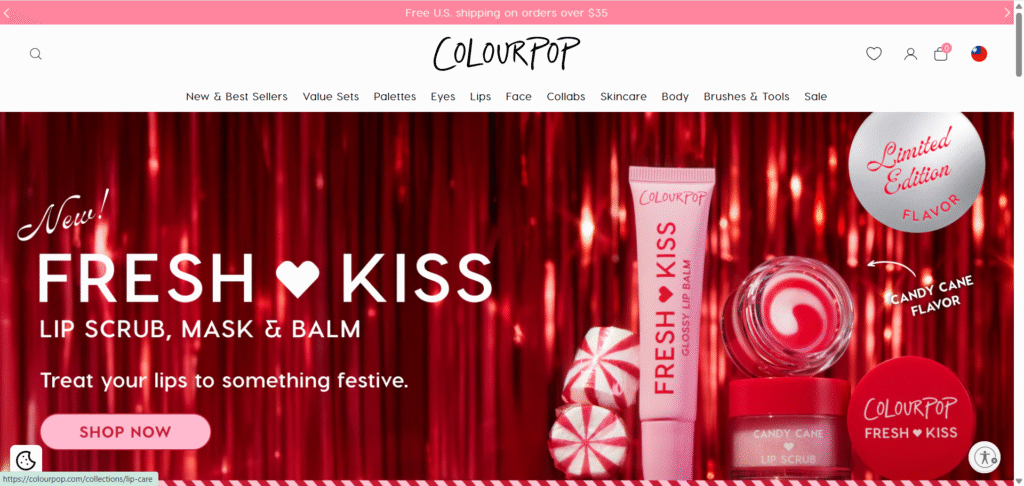
The Conversion Engine: Their website is an engine for generating urgency and FOMO (Fear Of Missing Out). Limited-edition collections and high-profile collaborations, from Disney to popular beauty YouTubers like Sofia Nygaard, are designed to sell out quickly. This scarcity turns every launch into a must-buy-now event.
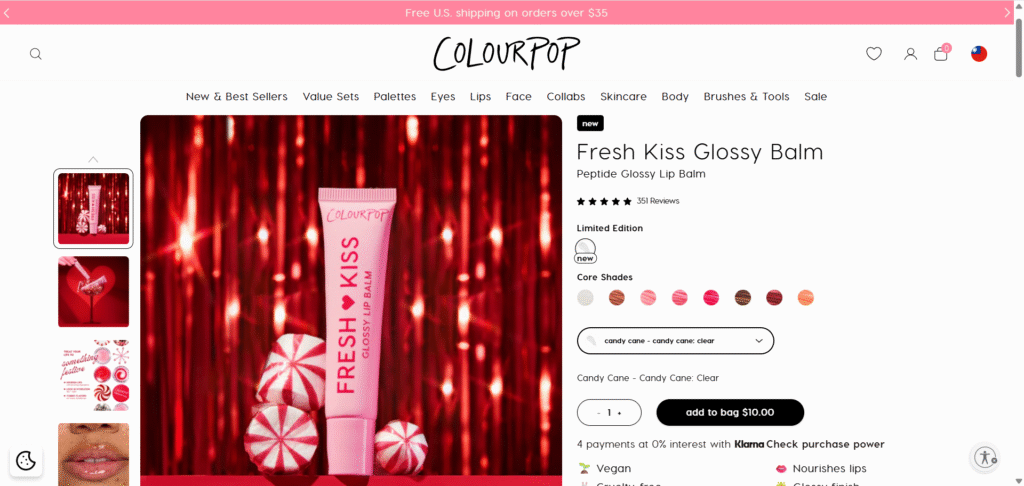
The Traffic Machine: ColourPop’s marketing is a masterclass in building hype. They use Instagram and other social channels to tease upcoming collections, creating a frenzy of anticipation before a product even launches. Each collaboration gives them direct access to a new, massive, and highly engaged audience, allowing them to acquire customers with incredible efficiency.
Your 5-Step Action Plan to Build a Store Like These
Feeling inspired is one thing; starting is another. I remember struggling with this too. The journey from a great idea to a successful store can feel overwhelming, but every Shopify dropshipping store example on this list followed a similar path. They started small, focused on the fundamentals, and scaled deliberately.
This five-step action plan distills their winning strategies into a clear blueprint. For a full, step-by-step tutorial that walks you through every detail from setup to launch, you’ll want to follow along with our complete guide on how to dropship on Shopify for beginners.
Step 1: Find Your Niche or Trend (The Master’s Foundation)
Every successful store begins with a smart choice of what to sell and to whom. This is the single most important decision you’ll make. If you’re looking for a comprehensive list of ideas to get started, our guide on what to sell on Shopify features 200 winning product ideas to spark your creativity.
You have two primary paths:
- Solve a Problem for a Passionate Niche: Like Pet Clever, identify a specific problem for a group of people you understand. Passionate audiences (like pet owners, gamers, or gardeners) are more likely to become loyal customers.
- Capitalize on a Winning Trend: Like Pillow Slides or Cloudsharks, identify a product with viral potential that’s on the upswing. This requires speed and a keen eye for what’s capturing attention on social media.
Step 2: Choose Your Platform and Build Your Storefront (Shopify)
Your website is your digital headquarters, and it needs to be professional, trustworthy, and scalable. All the Shopify dropshipping website examples on this list built their empires on a platform that could handle everything from their first sale to their millionth. A clunky, unprofessional site is the fastest way to lose a customer.
Step 2 is building your online headquarters. To create a professional store that builds trust (without needing to code), Shopify is the clear choice used by all the brands on this list.
Click 👇 to start your free Shopify trial and build alongside this guide.

Note: I’m a Shopify Media Partner, which means I might earn a small commission if you sign up through my link. It doesn’t cost you anything extra and helps keep this blog running.
Step 3: Develop a Brand That Resonates (The Builder’s Blueprint)
A product can be copied, but a brand cannot. This is where you transition from simply selling items to building an identity. Look at how Burga turns a simple commodity like phone cases into a fashion statement, or how Notebook Therapy creates a serene, instantly recognizable aesthetic. Define your voice, your visual style, and the feeling you want customers to have when they interact with you.
Step 4: Master One Primary Marketing Channel
Don’t try to be everywhere at once. The most successful stores build a powerful “Traffic Machine” by dominating one channel first. MiracleSofa mastered problem-solving video ads on Facebook. Paddie Nails built a viral empire on TikTok. Notebook Therapy cultivated a massive community on Instagram and Pinterest.
I recommend you pick the single best channel where your target audience spends their time and focus all your energy on mastering it. Once that engine is running, you can expand.
Step 5: Create an Unforgettable Customer Experience
A great brand is built on promises kept. A smooth, trustworthy shopping experience turns a first-time buyer into a repeat customer and a vocal fan. This means investing in clear communication, displaying social proof like reviews and security badges, and providing excellent customer service. As studies from HubSpot and others have shown, a poor customer experience is a leading cause of cart abandonment. This final step is what solidifies your status as a true Brand Builder.
Frequently Asked Questions
Is dropshipping still profitable in 2026?
Yes, absolutely. While the market is more competitive than it was a decade ago, dropshipping remains a highly profitable business model for those who treat it like a real business.
Each Shopify dropshipping store example in this article proves that success isn’t about finding a “secret” product. It’s about building a strong brand, offering real value, and mastering a marketing channel. Personally, I think the low startup costs still make it one of the best ways to enter the world of eCommerce.
How much does it cost to start a Shopify dropshipping store?
Starting a dropshipping store is significantly more affordable than a traditional retail business, but it isn’t free. Your primary costs will include:
– Shopify Plan: Begins with a free trial, then moves to a monthly subscription (basic plans typically start around $25/month).
– Domain Name: Approximately $15 per year.
– Marketing Budget: This is your most important and variable expense.
For a complete, itemized breakdown of every potential expense, from software to your first ad campaign, read our full guide on the real cost of starting Shopify dropshipping.
Can you really make a living off dropshipping?
Yes, many entrepreneurs make a full-time living from dropshipping, and some build multi-million dollar brands. However, it is not a “get rich quick” scheme. The successful dropshipping store examples you’ve seen here represent the top tier of what’s possible.
For a full analysis of what a typical store earns and the factors that influence profit, see our deep dive into how much the average Shopify store makes per month. This will help you set realistic financial goals for your own business.
What is the best platform for dropshipping?
Shopify is the gold standard for dropshipping and the platform used by every successful store on this list. Its user-friendly interface allows you to build a professional-looking store without any coding knowledge.
More importantly, its massive app ecosystem integrates seamlessly with top dropshipping supplier networks, and its secure, reliable checkout process gives customers the confidence to buy. For scalability, features, and ease of use, it is the clear industry leader.