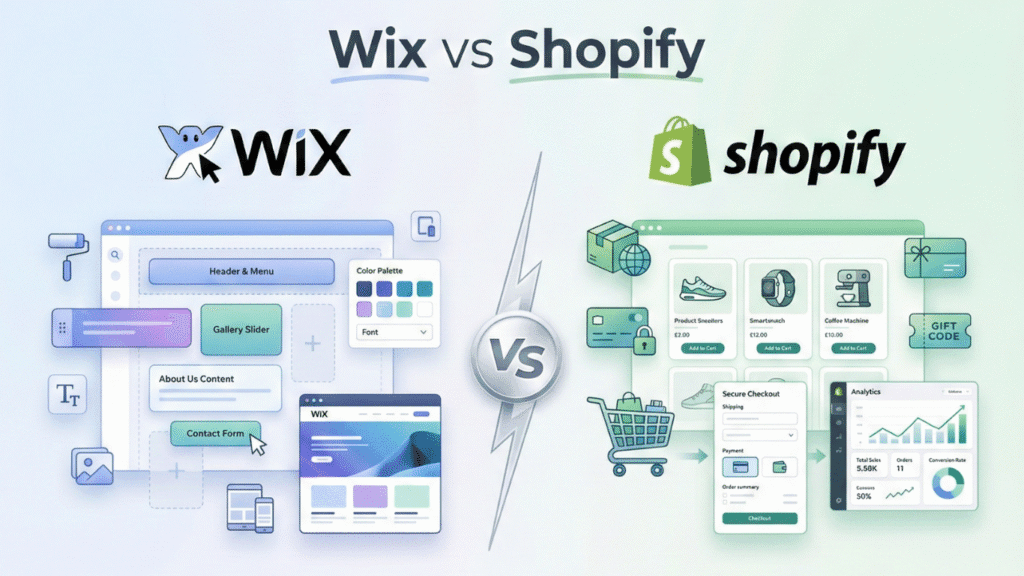
Choosing between Wix vs Shopify is about laying the right foundation for your business. The old debate was simple: ease of use versus powerful sales tools. But today, that’s no longer the full story. Both platforms are now incredibly accessible, making the decision more nuanced—and more critical—than ever.
This guide provides a definitive, data-backed and unbiased verdict on Wix vs Shopify based on the latest features to help you choose the right engine for your growth.
If you’d rather see this verdict explained visually, I’ve created an video.
| For… | Winner |
|---|---|
| Overall Ecommerce | Shopify |
| Initial Setup Speed | Wix |
| Ease of Use & Onboarding | A Tie |
| Design & Brand Control | A Tie |
| SEO & Marketing | Shopify |
| Scalability & Growth | Shopify |
Based on our tests, Shopify is the clear winner for ambitious entrepreneurs. If you’re ready to see why, you can start a free Shopify trial and explore its features as you read
The 30-Second Answer: Who Should Choose Shopify vs. Who Should Choose Wix?
The right choice depends entirely on your business ambitions. This isn’t about which platform has more features on a checklist, but which one is built for the business you want to create.
Choose Shopify if you are building a serious retail brand. It’s the platform for entrepreneurs who see their store as their primary business and plan to scale their inventory, sales, and marketing efforts. If your goal is to grow into a household name like Gymshark or Allbirds, you need an engine built exclusively for commerce. Shopify’s powerful sales tools, inventory management, and app ecosystem are designed for that specific journey.
Choose Wix if your website is a hybrid of content and commerce. It’s the ideal solution for artists, writers, and service providers who need a beautiful portfolio or blog with an integrated store, but not a full-blown retail operation. If you prioritize maximum design freedom with a true drag-and-drop editor and manage a small, curated collection of products, Wix provides the flexibility you need to create a stunning, multi-purpose website.
The Full Wix vs Shopify Comparison: How They Performed in Our Tests
Round 1: Setup Speed & Initial Onboarding
Winner: Wix (for sheer speed), Tie (for overall accessibility)
The long-standing belief that Wix is inherently easier to start with than Shopify is rapidly becoming a relic of the past. While Wix still offers the absolute fastest route to a live site, Shopify has effectively closed the initial onboarding gap, making both platforms highly accessible to newcomers.
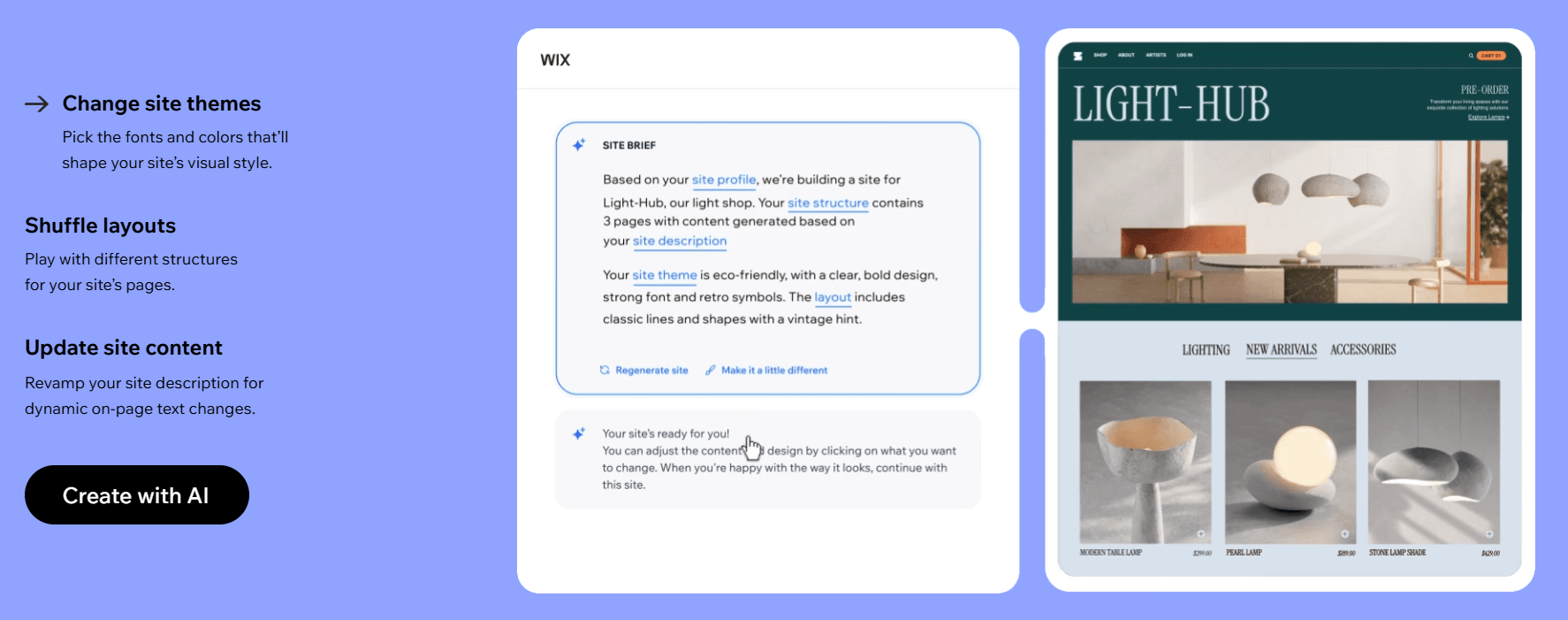
Wix’s “set it and forget it” speed remains its key advantage for a quick launch. Thanks to Wix ADI (Artificial Design Intelligence), a total beginner can answer a few questions and have a functional, populated website generated in minutes. This is the ideal path for users prioritizing immediate content creation and visual presence over an intricate business setup from day one.
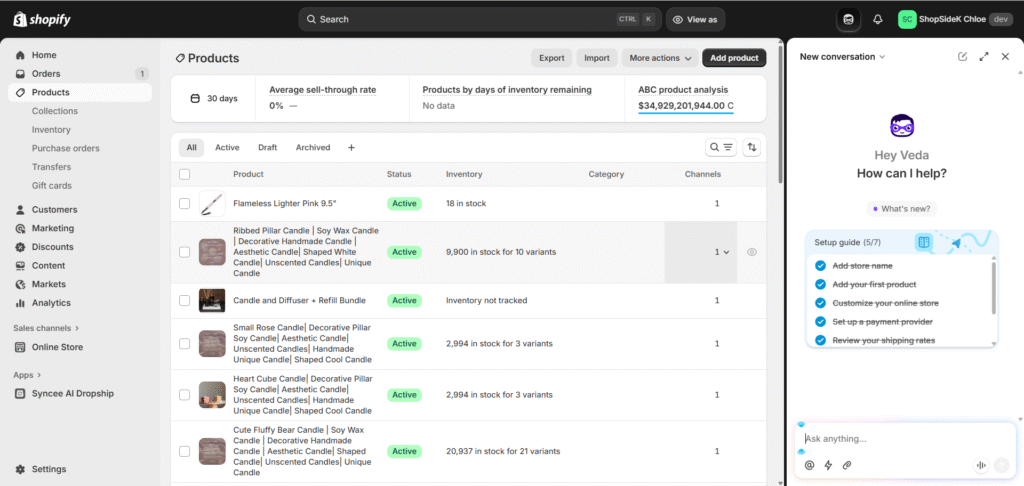
Shopify’s setup, traditionally more business-centric, has evolved dramatically. While it still guides users through foundational steps like adding products and configuring payments, AI-powered tools like Shopify Sidekick are transforming the experience.
Users can now ask the AI assistant to help structure their store or add initial pages, significantly streamlining the process. It makes the core business setup incredibly efficient and far less intimidating.
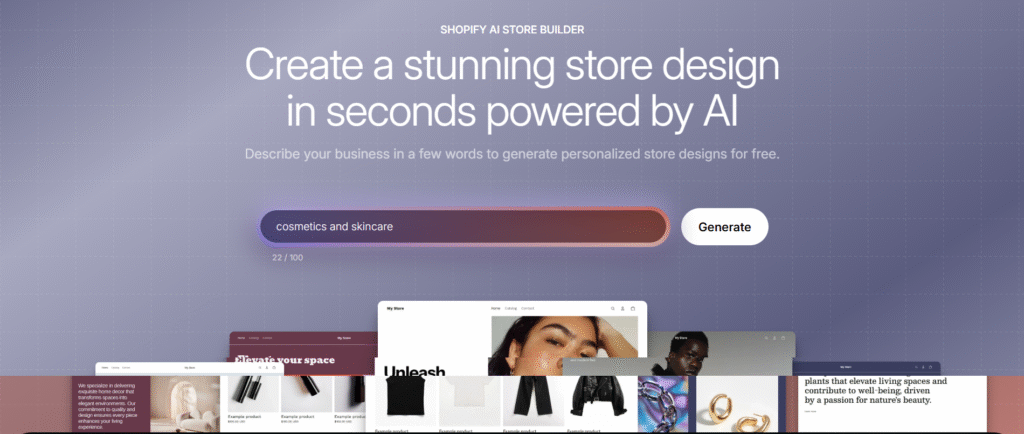
Wix wins for the fastest initial site generation. However, both platforms now offer excellent accessibility for beginners. The choice boils down to your immediate priority: an instant visual website (Wix) or a guided, AI-accelerated setup of your core business functions (Shopify).
Round 2: Core Ecommerce & Sales Tools
Winner: Shopify
This is the most important round. A great-looking site is useless if it can’t efficiently sell products and manage operations. Both platforms offer a surprisingly robust suite of tools, but they are built with fundamentally different business scales in mind.
Wix’s Strength: A Powerful All-in-One Toolkit for New Businesses
Wix has evolved into a formidable ecommerce platform with an impressive list of built-in features. For a new or small business, the toolset is comprehensive and requires very few add-ons. Key features include:
- Complete Storefront & Cart: Fully customizable product pages, a secure checkout, and guest checkout options.
- Abandoned Cart Recovery: A premium feature that’s included natively to help you recapture lost sales.
- Native Payment Processing: Wix Payments allows you to manage orders and payments in one place.
- Dropshipping & POD Ready: Integrates directly with platforms like Modalyst, Spocket, and Printful.
- Multi-Channel Sales: You can connect your inventory to sell on Instagram, Facebook, and eBay.
For a business owner managing a few dozen products and selling primarily through their website, Wix provides everything needed to start and operate successfully.
Shopify’s Strength: A Scalable Operating System for Commerce
Shopify’s approach is not just about providing features; it’s about providing an entire ecosystem optimized for growth. While it matches Wix on most core features, Shopify’s power lies in its depth, scalability, and relentless focus on conversion.
Superior Inventory Management: This is a critical differentiator. Shopify is built to handle thousands of products across multiple warehouse locations, with advanced tracking and purchase order management. Wix is better suited for smaller, simpler inventories.
Market-Leading POS System: Shopify POS is an industry-leading solution that seamlessly unifies online and retail sales data, inventory, and customer profiles. Wix’s POS is functional but less robust and more geographically limited.
Conversion-Optimized Checkout: Shopify’s checkout process is the result of analyzing trillions of dollars in transactions. It’s relentlessly A/B tested to be the highest-converting checkout on the internet.
Deeper Channel Integrations: Beyond social media, Shopify offers deeper integrations for selling on platforms like TikTok, wholesale via Shopify B2B, and managing international markets with multi-currency and tax compliance tools.
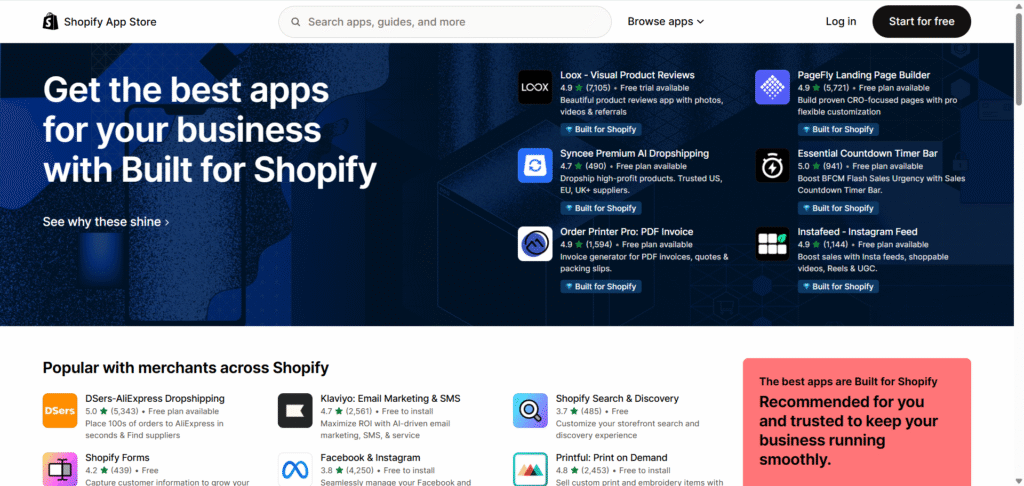
Unmatched App Ecosystem: For any feature Shopify doesn’t have natively, there is an expert-level app in its store of over 8,000, including premier dropshipping tools like DSers. This makes its capabilities virtually limitless.
In short, this isn’t a question of if a platform has a feature, but how well that feature performs at scale. Wix offers a fantastic array of tools perfect for getting a new business off the ground. Shopify provides a deep, powerful, and scalable toolkit designed for one purpose: to be the engine for a serious, growing retail business. For ambition and scale, Shopify is in a class of its own.
Round 3: Design Depth, Templates & Brand Control: The Real Flexibility
Winner: A Tie
The question of design flexibility is where the “Wix vs. Shopify” debate has always been most intense. Thankfully, both platforms now offer exceptional solutions, albeit through different means. The notion that Wix offers ultimate design freedom while Shopify is rigid is an outdated perspective.
Wix’s Strength: Unstructured Creative Freedom for Visuals
Wix excels with its true “blank canvas” Wix Editor. Users can drag and drop any element to any pixel, offering complete control over layout and aesthetics. With over 900 templates as starting points, this is fantastic for users who have a precise visual brand concept and want to execute it without coding.
This is where Wix shines for highly visual, content-centric sites where the exact placement of every element is paramount to the brand identity.
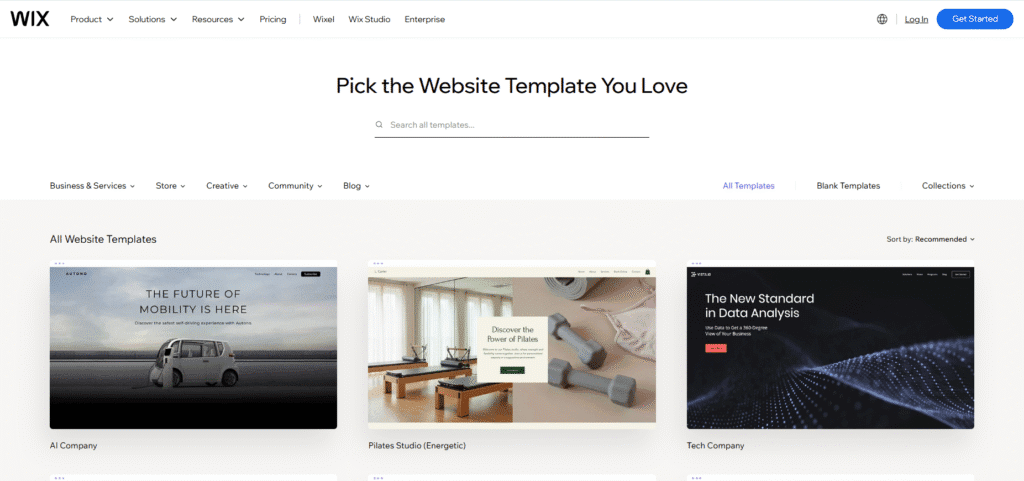
Shopify’s Strength: Scalable Design & Professional Polish
Shopify’s design philosophy prioritizes a high-converting, professional aesthetic out-of-the-box. Access to over 1,000 themes, including the versatile free “Dawn” theme, provides a robust starting point. While its native editor is more structured, it ensures strong brand consistency and mobile responsiveness.
Crucially, the gap in design power has been bridged by:
- Powerful Page Builder Apps: Tools like Shogun bring true drag-and-drop capabilities to Shopify, granting users the same visual control as Wix.
- AI Theme Assistance: Shopify Magic can now help users generate theme sections or even entire pages based on simple prompts, massively enhancing visual customization.
- Developer Access: For ultimate customization, Shopify’s underlying Liquid code is accessible, allowing for limitless design possibilities with developer assistance.
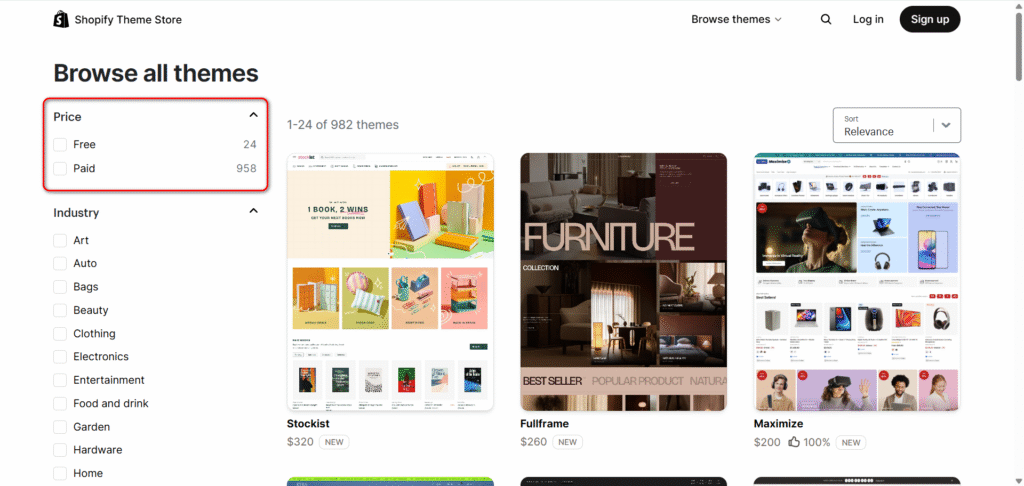
Overall, it’s a tie because both platforms now offer excellent design capabilities. Wix provides unparalleled visual freedom for those who want to control every pixel with its native drag-and-drop interface. Shopify provides a structured framework for professional, scalable design, which can be extended with powerful apps and AI, making it ideal for brands focused on sales and growth.
Round 4: App Ecosystem & Integrations
Winner: Shopify
The Shopify App Store is arguably the platform’s greatest strategic advantage. It transforms your store from a simple website into a customized command center for your entire business, and it’s a key reason why Shopify can scale with you from your first sale to your millionth.
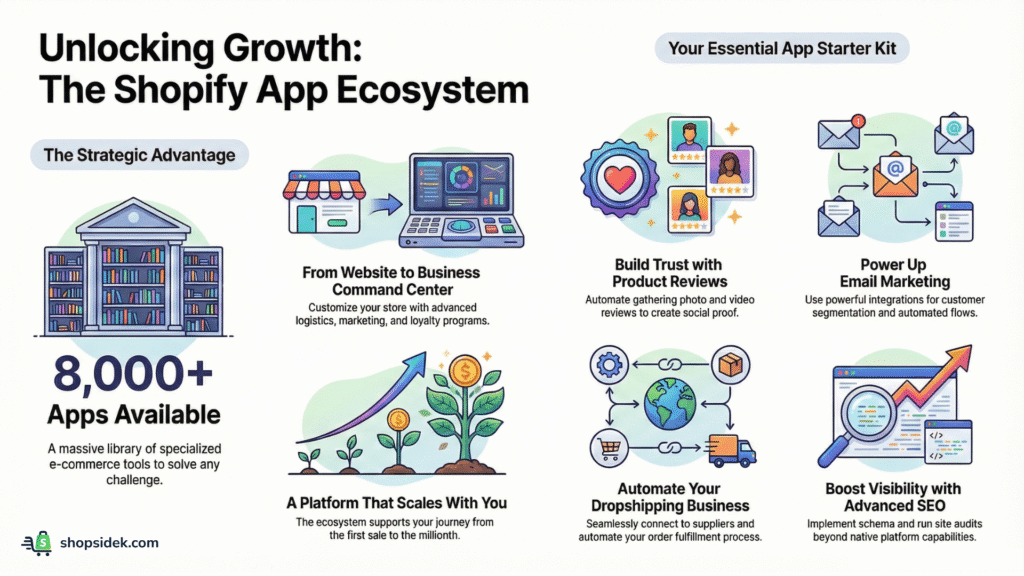
The numbers alone are telling: the Shopify App Store contains over 8,000 apps, compared to the Wix App Market’s 800. But it’s the depth and ecommerce focus of these apps that truly matter.
Whatever operational challenge you face, there’s likely an app to solve it—from sophisticated logistics and supply chain management to advanced marketing automation, customer loyalty programs, and subscription services.
For new store owners, this ecosystem is invaluable.
Your Essential Shopify App Starter Pack
- Product Reviews: Apps like Loox or Judge.me automate gathering photo and video reviews, providing the crucial social proof needed to build trust.
- Email Marketing: While Shopify Email is a great start, integrations with platforms like Klaviyo allow for incredibly powerful customer segmentation and automated email flows.
- Dropshipping: For those sourcing products, apps like DSers seamlessly connect your store to suppliers, automating order fulfillment.
- Advanced SEO: Tools like SEO Manager can help you implement schema, run site audits, and fix issues that go beyond the platform’s native capabilities.
The sheer power of these integrations is why so many entrepreneurs drop ship on Shopify, building entire businesses without ever holding inventory.
Round 5: SEO & Marketing Features
Winner: Shopify
From my experience, this round is a dead heat because both platforms are excellent, but they cater to different user needs. While Wix provides an excellent guided experience for beginners, Shopify offers a more powerful and scalable foundation for a serious, long-term SEO strategy.
Wix’s Strength: A Guided Introduction to SEO
Wix deserves credit for making SEO accessible. The Wix SEO Wiz is a fantastic tool for absolute beginners, providing a step-by-step checklist to ensure the on-page basics are covered. It’s a great educational tool that helps new users understand fundamental concepts, and it handles essential controls for titles, descriptions, and alt text effectively.
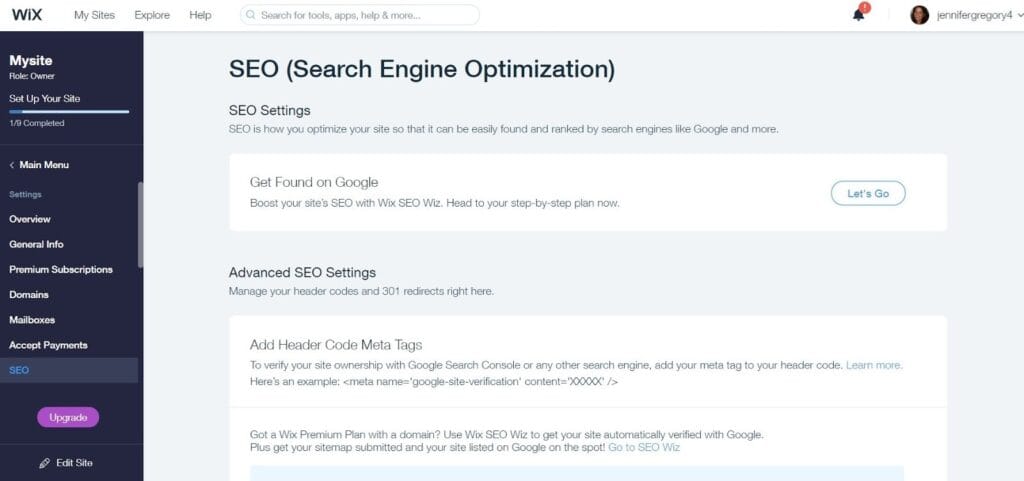
Shopify’s Strength: A Superior Foundation for Competitive SEO
Shopify’s power isn’t in a hand-holding checklist but in providing a robust technical foundation and the tools to scale.
Complete On-Page SEO Control: Far from being a “closed” system, Shopify gives you full control over the SEO fundamentals. As seen in the product settings, you can easily edit the Page title, Meta description, and URL handle (slug) to target your keywords precisely.
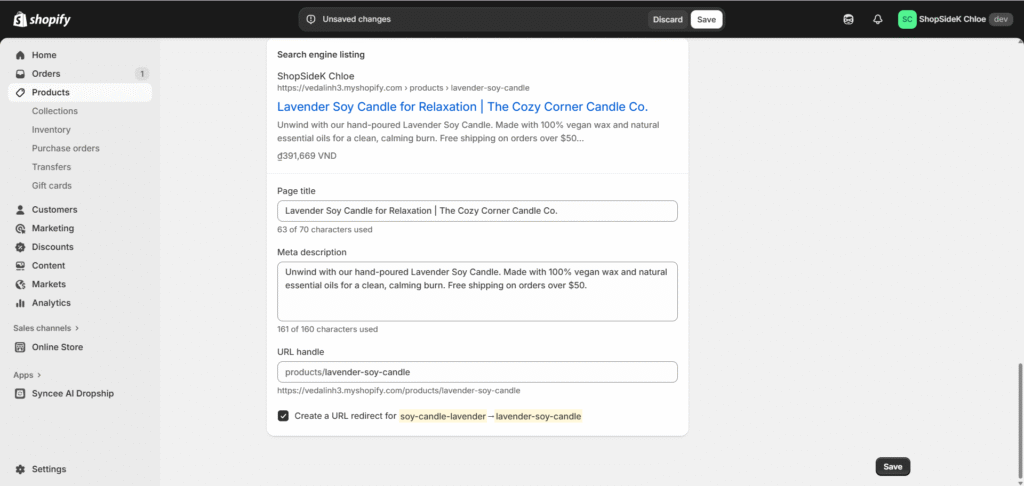
Excellent Technical SEO Out-of-the-Box: Shopify automatically handles many technical aspects that are critical for ranking on Google. This includes an automatically generated sitemap.xml, a built-in SSL certificate for security, and themes optimized for speed and mobile-first indexing. It also adds canonical tags automatically to prevent duplicate content issues—a common problem on ecommerce sites.
A Powerful Blogging Platform: Shopify includes a robust, built-in blog, perfect for executing a content marketing strategy to attract customers at the top of the funnel. With Shopify Magic, you can now generate blog post ideas, outlines, and even entire drafts, significantly speeding up your content creation process.
Limitless App Ecosystem for Advanced Needs: This is Shopify’s ultimate advantage. For any advanced SEO task—from implementing complex schema markup (structured data) to advanced image compression or managing 301 redirects—there is a best-in-class app in the Shopify App Store.
Wix is excellent at guiding a beginner through the fundamental SEO checklist. However, Shopify provides a more robust technical foundation, a powerful content marketing platform, and a limitless ceiling for growth through its app ecosystem.
For any business serious about competing in search results long-term, Shopify is the superior choice. To see exactly how to leverage this power, read our guide on How to Get Shopify Page at Front Page of Google: A Beginner’s Case Study.
Round 6: Customer Support
Winner: Shopify
I’ve learned that when your business is on the line, the speed and quality of customer support are critical. In this area, Shopify’s accessibility gives it a clear advantage.
Shopify offers comprehensive 24/7 support through live chat, email, and phone for most of its plans. This means if you encounter a critical issue at 2 a.m., you can connect with a real person almost immediately to get it resolved. This level of access is a huge source of confidence for business owners.

Wix also offers quality support, but its system primarily relies on a callback service. You submit a request and wait for a representative to call you back during business hours. While effective, this can lead to delays that are stressful when you’re dealing with an urgent problem affecting sales.
Beyond direct support, Shopify’s extensive ecosystem provides a massive safety net. The Shopify Help Center is a vast and detailed knowledge base, the community forums are full of active merchants and developers, and there is a global network of “Shopify Experts” you can hire for help with everything from theme customization to marketing strategy.
Beyond the Sticker Price: A Real Cost of Ownership Analysis
The pricing for Wix vs Shopify is one of the most confusing and critical factors in your decision. While Wix advertises straightforward $29/month for its Core plan, you’ll see Shopify’s Basic plan advertise lower with $25/month.
It’s vital to understand how you get that price and what the true all-in costs are. Let’s break it down with a real-world scenario.
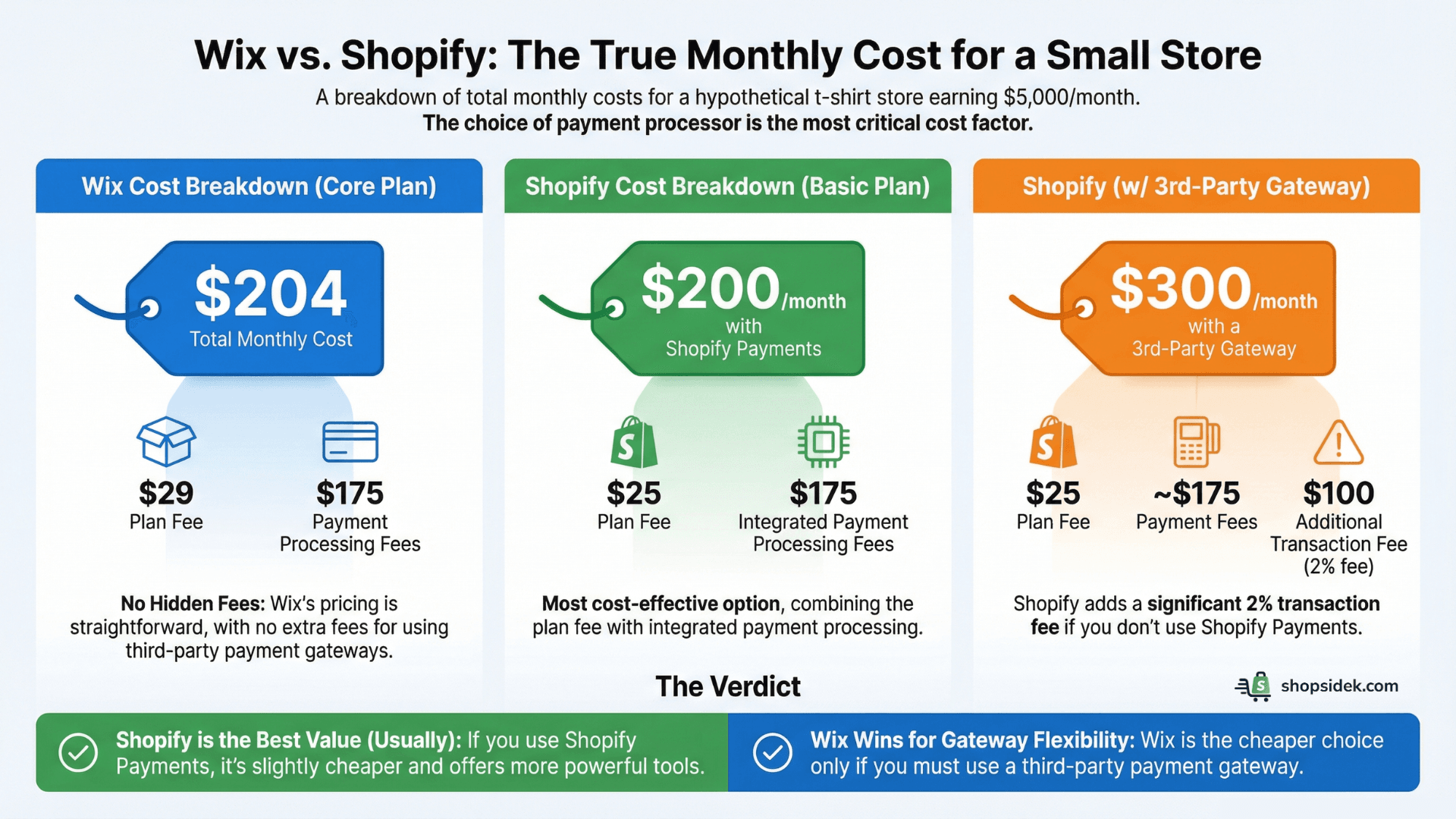
The Scenario: A T-Shirt Store Making $5,000/Month
Assumptions: The store earns $5,000 in monthly revenue from 100 individual transactions. This analysis compares the Wix Core plan ($29/month) with the Shopify Basic plan ($25/month).
Note: Shopify’s effective monthly cost can be as low as $19/month when billed annually, which is slightly cheaper than the month-to-month rate.
The True Cost Breakdown: Wix vs Shopify
Wix Cost Analysis (Wix Core Plan – $29/month)
- Plan Fee: $29.00
- Payment Processing (via Wix Payments):
(2.9% of 5,000) + (0.30 x 100 transactions) = $145 + 30 = $175
Wix’s Total Monthly Cost: $29.00 + $175.00 = $204.00
Key Insight: Wix’s strength is simplicity. This is your all-in price, and they don’t charge extra if you use a different payment gateway like PayPal.
Shopify Cost Analysis (Shopify Basic Plan – $25/month, billed monthly)
The cost here depends entirely on your choice of payment processor.
- Scenario A: Using Shopify Payments (Recommended)
- Plan Fee: $25.00 (effective rate)
- Payment Processing (via Shopify Payments):
(2.9% of 5,000) + (0.30 x 100 transactions) = $145 + 30 = $175
Shopify’s Total Monthly Cost: $25.00 + $175.00 = $200.00
- Scenario B: Using a Third-Party Gateway (e.g., PayPal)
- Plan Fee: $25.00 (effective rate)
- Payment Processing (PayPal’s Rate): ~$175.00
Shopify’s Additional Transaction Fee: 2.0% of 5,000 = $100
Shopify’s Total Monthly Cost: $25 + $175 + $100 = 300.00
| Platform & Scenario | Effective Monthly Fee | Payment Fees | Additional Fees | Total Monthly Cost |
| Wix (Core Plan) | $29 | $175 | $0 | $204 |
| Shopify (Basic Monthly w/ Shopify Payments) | $25 | $175 | $0 | $200 |
| Shopify (Basic Monthly w/ 3rd Party) | $25 | ~$175 | $100 | ~$300 |
The Verdict Explained: What The Numbers Really Mean
The numbers reveal a clear winner on price for committed business owners. By opting for an annual plan, Shopify is not only more powerful but also slightly cheaper than Wix month-to-month, assuming you use the recommended Shopify Payments.
The only situation where Wix holds a cost advantage is if your business absolutely must use a third-party payment gateway. In that case, Shopify’s 2.0% additional fee makes it significantly more expensive.
The Decisive Factor: For the vast majority of businesses, the choice is clear. Committing to Shopify for a year gets you a superior platform with better sales tools, a more robust SEO foundation, and limitless scalability—all for a lower total cost than Wix. This makes the annual Shopify plan the best value in ecommerce. See the platform in action and start building your brand with a free trial today
While our scenario provides a clear estimate, a detailed breakdown of the total cost of a Shopify website can help you budget for every expense, from themes to transaction fees.
From Side Hustle to Scale: A Common Growth Story
One of the biggest fears for any new entrepreneur is choosing a platform they will eventually outgrow. While features on a page can seem abstract, a common growth trajectory for online businesses makes the difference between Wix and Shopify incredibly clear.
Why Many Businesses Migrate from Wix to Shopify
Meet “John,” who started his artisanal candle business on Wix. For launching his brand and making his first 50 sales, it was the perfect launchpad. The drag-and-drop editor allowed him to create a beautiful, brand-centric website without any technical skills, and the built-in ecommerce tools were more than enough to handle a few orders a week.
But then, a wonderful problem occurred: his business took off. Suddenly, he wasn’t just managing 10 candles; he was tracking 500 units of inventory across various scents and sizes. He wanted to start selling at local markets, but needed a Point-of-Sale (POS) system that seamlessly synced with his online stock. Most importantly, he saw how many customers were leaving items in their carts and knew he needed to run automated abandoned cart email campaigns to win them back.
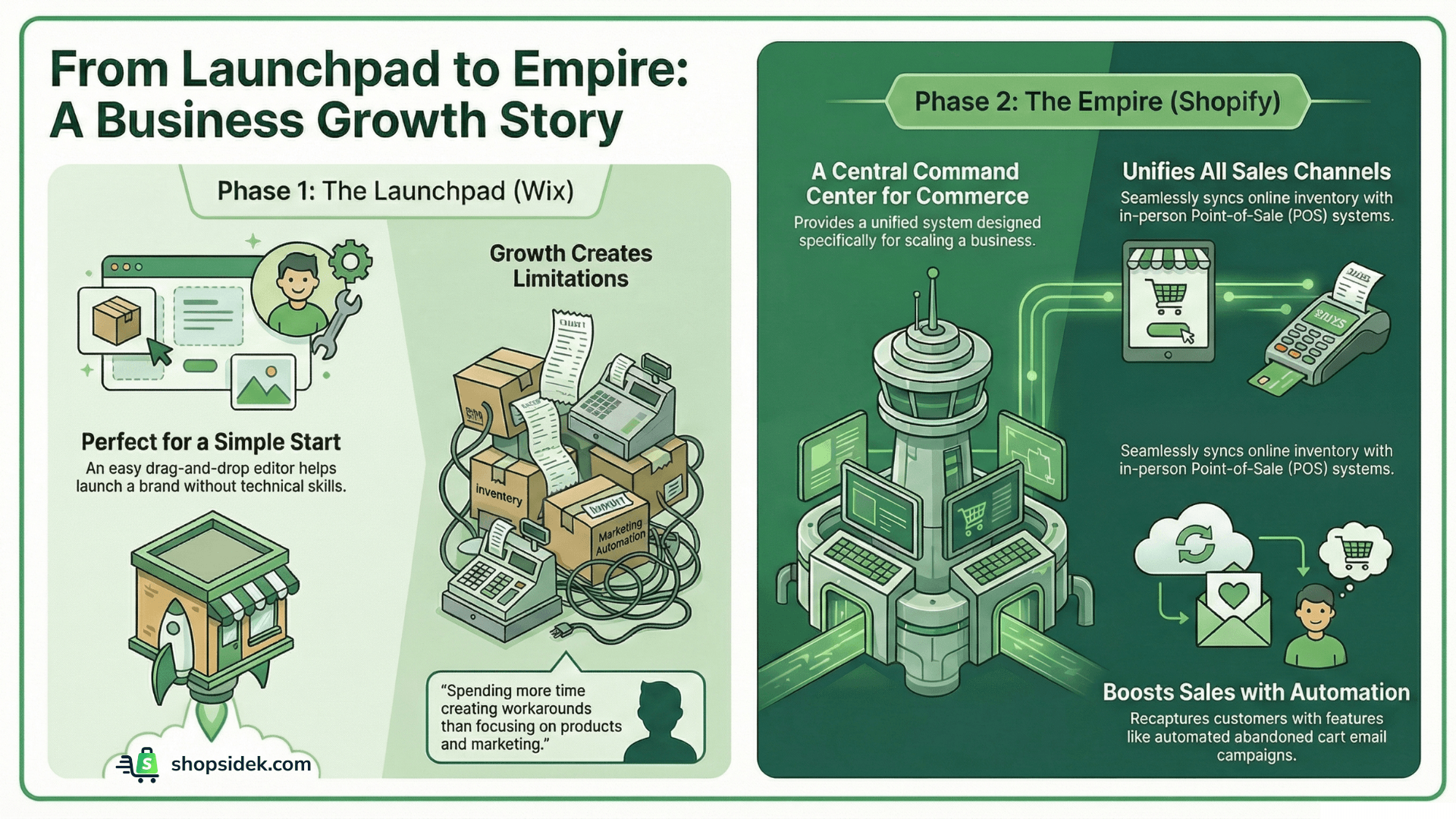
You’ll probably recognize the feeling—John realized he was hitting a ceiling. The limitations of Wix ecommerce vs Shopify’s dedicated engine were becoming obvious. He was spending more time creating workarounds than focusing on his products and marketing. The tools that were perfect for starting were now limiting his growth. He needed an engine built for commerce.
His story is a common one that illustrates the core difference between the platforms. After migrating his business to Shopify, he had a central command center. His inventory was unified online and in-person with Shopify POS, and automated marketing campaigns worked in the background to boost his sales. Wix helped him launch a business; Shopify is helping hisbuild an empire.
Final Verdict: Our Recommendation for Your Business
For years, the choice was framed as simple: Wix for ease, Shopify for power. Our in-depth analysis shows this is an outdated and inaccurate view. In 2026, the platforms have evolved, and the right choice has become much clearer.
While Wix still offers incredible speed for initial site setup, Shopify has decisively closed the gap in both ease of use and design flexibility with its AI tools and powerful app ecosystem. More importantly, our tests show Shopify now provides a superior foundation in areas critical for business growth, particularly its scalable sales tools and robust technical SEO.
The decision is no longer about ease vs. power. It’s about your primary goal. Wix is an excellent website builder that can also sell products. It’s perfect for artists, bloggers, and service businesses. Shopify, however, is a dedicated commerce platform designed to build a business that has a website. For anyone serious about growth, inventory management, and long-term search visibility, Shopify is the clear and definitive winner.
| Feature | Wix | Shopify |
| Initial Setup Speed | ★★★★★ | ★★★☆☆ |
| Ease of Use & Onboarding | ★★★★★ | ★★★★☆ |
| Core Ecommerce Tools | ★★★☆☆ | ★★★★★ |
| Design & Flexibility | ★★★★☆ | ★★★★☆ |
| SEO & Marketing | ★★★☆☆ | ★★★★☆ |
| App Ecosystem | ★★★★☆ | ★★★★★ |
| Scalability & Growth | ★★★☆☆ | ★★★★★ |
Once you see the potential, the next step is to explore some inspiring examples of successful Shopify stores to see what’s possible. From there, you can follow a clear, step-by-step guide on how to start a Shopify business from the ground up.
Don’t just build a website—build an ecommerce powerhouse. We’ve done the research, and Shopify is the answer.
Frequently Asked Questions (FAQ)
Is Shopify better than Wix for dropshipping?
Yes, I always suggest Shopify for dropshipping; it’s significantly better. Its key advantage is the Shopify App Store, which features powerful, deeply integrated apps like DSers.
These tools automate the entire dropshipping workflow, from importing products from marketplaces like AliExpress to sending orders directly to suppliers for fulfillment. While dropshipping is possible on Wix, the process is far more manual and lacks the sophisticated automation required to scale efficiently.
Can I migrate from Wix to Shopify?
Absolutely. Migrating from Wix to Shopify is a common step for growing businesses. There are several ways to do it: you can manually export your product and customer data from Wix as CSV files and import them into Shopify, use a dedicated migration app from the Shopify App Store to automate the process, or hire a Shopify Expert to manage the entire transition for you.
Which is better for SEO, Wix or Shopify?
Both platforms are strong for SEO, but they serve different needs. Wix offers more beginner-friendly guidance out of the box with its SEO Checklist, which is excellent for learning the fundamentals.
Shopify, however, provides a more robust technical foundation built for speed and performance. As your business grows, Shopify’s app ecosystem gives you access to more advanced SEO tools, providing a higher ceiling for optimization in the long run.
Is Wix really cheaper than Shopify?
Wix’s monthly plan fees are often slightly lower than Shopify’s at the outset. However, when considering Wix vs Shopify for ecommerce, our Total Cost of Ownership analysis shows the true cost is more complex.
Shopify’s slightly higher price is an investment in a superior suite of sales tools and an app ecosystem designed to increase your revenue. For a growth-focused business, the return on investment from Shopify’s features often makes it the more profitable choice over time.